Doing business in the United States can feel very different if you are coming from another culture. American business culture has its own style, expectations, and unspoken rules. Understanding these can make a big difference in how people see you, trust you, and decide to work with you.
The good news is that US business etiquette is generally friendly, direct, and practical. People care less about formal rituals and more about results, professionalism, and clear communication. Still, small mistakes can create confusion or give the wrong impression. This guide will walk you through the key things you need to know to succeed professionally in America.
Communication Style: Direct but Polite
Americans usually communicate in a straightforward way. They say what they mean and expect others to do the same. This does not mean they are rude — it simply means they value clarity and efficiency.
What to Expect
-
Clear opinions and quick responses
-
Focus on facts and solutions
-
Less indirect language
-
Honest feedback
If you come from a culture where people avoid saying “no” directly, this can feel surprising. In the US, saying “I don’t think this will work” is normal and not considered disrespectful.
Tips for Success
-
Be clear and concise
-
Avoid overly complicated explanations
-
Speak confidently but respectfully
-
Ask questions if something is unclear
Americans appreciate people who get to the point.
Importance of Time and Punctuality
Time is treated very seriously in American business culture. Being late can suggest that you are unreliable or not respectful of others’ schedules.
Meetings
-
Arrive 5–10 minutes early
-
Joining exactly on time is acceptable
-
Being late without notice is seen negatively
-
If delayed, inform the host immediately
Virtual meetings follow the same rules. Logging in late to an online call can be just as damaging as arriving late in person.
Deadlines
Deadlines are usually firm. If you cannot meet one, communicate early and suggest a new timeline.
Professional Greetings
First impressions matter a lot.
Handshakes
A firm handshake with eye contact is the standard greeting in professional settings.
-
Not too weak
-
Not overly strong
-
Brief and confident
In some situations, especially after the pandemic, people may prefer a simple verbal greeting. Follow the other person’s lead.
Names and Titles
Americans usually introduce themselves by first name, even in formal settings.
Example:
“Hi, I’m John.”
You can respond using their first name unless they ask you to use a title.
In highly formal environments (law, academia, government), titles like “Dr.” or “Professor” may still be used.
Dress Code: Professional but Practical
Business attire in the US varies by industry, company, and region.
Traditional Corporate Settings
-
Dark suits for men
-
Professional dresses or suits for women
-
Conservative colors
-
Minimal accessories
Modern or Tech Companies
Many workplaces, especially startups, allow business casual or even casual clothing.
-
Collared shirts
-
Blouses
-
Smart trousers or skirts
-
Clean shoes
However, for meetings with clients or senior leaders, it is safer to dress more formally.
General Rule
When unsure, dress slightly more formal than you think necessary. You can always adjust later.
Business Meetings: Structured and Goal-Focused
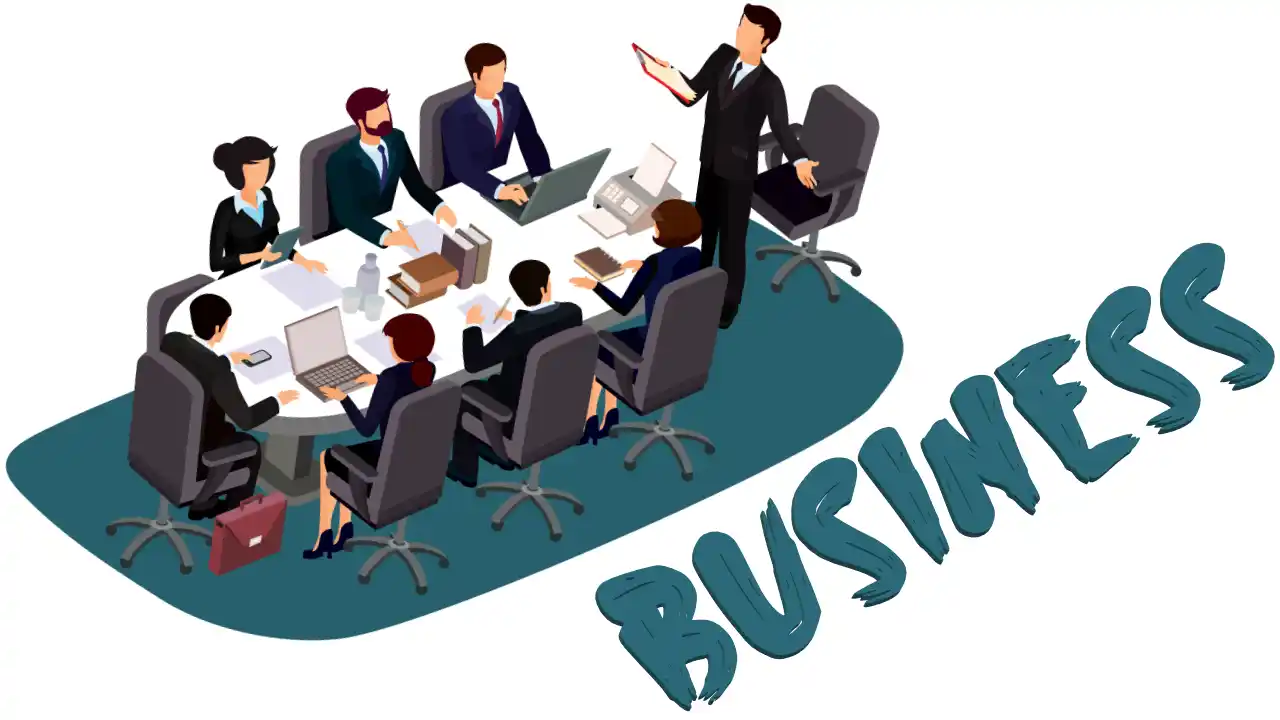
Meetings in the US usually have a clear purpose and agenda.
Common Characteristics
-
Start on time
-
Follow a schedule
-
Focus on decisions or action items
-
Encourage participation
-
End with next steps
Small talk may happen at the beginning, but it is usually brief.
Participation
Silence may be interpreted as lack of interest or preparation. Sharing your thoughts shows engagement.
Small Talk: Friendly but Light
Americans often use small talk to build comfort before discussing business.
Safe Topics
-
Weather
-
Travel
-
Sports
-
Food
-
General interests
-
Weekend plans
Topics to Avoid
-
Religion
-
Politics
-
Personal income
-
Sensitive social issues
-
Very personal questions
Small talk is meant to create a relaxed atmosphere, not deep conversation.
Email Etiquette
Email is a major communication tool in American business.
Style
-
Clear subject line
-
Short paragraphs
-
Direct message
-
Polite tone
-
Quick response expected
Example opening:
“Hi Sarah,”
“Hello Mr. Lee,”
Very formal language is rarely used.
Response Time
Replying within 24 hours is considered professional, even if just to acknowledge receipt.
Decision-Making Style
American organizations often make decisions quickly compared to many other cultures.
Characteristics
-
Focus on results
-
Willingness to take calculated risks
-
Data-driven decisions
-
Open discussion of ideas
Employees at different levels may contribute opinions, especially in collaborative environments.
Hierarchy and Workplace Relationships
US workplaces tend to have relatively flat hierarchies compared to many countries.
What This Means
-
Managers may be approachable
-
Employees can share ideas openly
-
First names are common across levels
-
Respect is shown through behavior, not formal titles
However, authority still matters. Final decisions usually come from leaders.
Networking Culture
Networking is extremely important in American business.
Relationships often open doors to opportunities, partnerships, and jobs.
Common Networking Situations
-
Conferences
-
Industry events
-
Business dinners
-
LinkedIn connections
-
Informational meetings
People may exchange business cards, though digital connections are now common.
Business Meals
Meals are often used for relationship-building rather than detailed negotiations.
Etiquette Tips
-
Wait for everyone to be served before eating
-
Use standard table manners
-
Avoid discussing controversial topics
-
Moderate alcohol consumption
-
Offer to split the bill unless invited
Lunch meetings are more common than dinner meetings.
Gender and Diversity Respect
American workplaces strongly emphasize equality and respect.
Discrimination or insensitive comments related to gender, race, religion, or background are taken very seriously.
Best Practices
-
Use inclusive language
-
Avoid stereotypes
-
Respect personal boundaries
-
Treat everyone professionally
Diversity is considered a strength in US organizations.
Personal Space and Body Language
Americans value personal space.
Guidelines
-
Maintain about an arm’s length distance
-
Avoid excessive physical contact
-
Maintain eye contact during conversation
-
Smile when appropriate
Too little eye contact may be seen as lack of confidence, while too much may feel uncomfortable.
Giving and Receiving Feedback
Feedback in American workplaces is often direct but constructive.
Positive Feedback
Praise is common and openly expressed.
Negative Feedback
Usually focuses on behavior or results, not personality.
Example:
Instead of saying “You are careless,”
They may say “This report needs more attention to detail.”
Learning to accept feedback without taking it personally is important.
Work–Life Balance Expectations
Americans value productivity but also recognize the importance of personal time.
-
Evenings and weekends are generally personal time
-
Vacation time is respected
-
However, some industries expect high availability
Responding to urgent messages outside work hours may be necessary in certain roles.
Negotiation Style
American negotiators are typically practical and goal-oriented.
Key Traits
-
Focus on facts and numbers
-
Clear expectations
-
Desire for win-win outcomes
-
Willingness to compromise
Long, relationship-building negotiations are less common than in some cultures.
Importance of Contracts
Written agreements are very important in the US.
Even when relationships are friendly, formal contracts define responsibilities and protect both sides.
Never assume verbal agreements are sufficient for major business matters.
Digital Professionalism
Online behavior is considered part of your professional image.
Video Meetings
-
Dress appropriately
-
Use a neutral background
-
Test technology in advance
-
Mute when not speaking
Social Media
Professional platforms like LinkedIn are widely used for networking and reputation building.
Common Mistakes Foreign Professionals Make
Understanding what to avoid can be just as helpful as knowing what to do.
Being Too Formal
Overly formal behavior may create distance. Americans usually prefer a balance between professionalism and friendliness.
Avoiding Direct Answers
Indirect communication can cause confusion.
Underestimating Time Importance
Late arrivals or missed deadlines can damage trust quickly.
Ignoring Small Talk
Jumping straight into business without basic friendliness may seem cold.
How to Build Trust in American Business Culture
Trust develops through consistent professional behavior rather than long personal relationships.
Key Factors
-
Reliability
-
Transparency
-
Competence
-
Responsiveness
-
Integrity
Doing what you promise matters more than formal titles or status.
Regional Differences
Business culture can vary across the country.
-
East Coast: Fast-paced, formal, competitive
-
West Coast: Innovative, relaxed, tech-driven
-
Midwest: Friendly, relationship-focused, practical
-
South: Polite, traditional, hospitality-oriented
Understanding local culture can improve interactions.
Final Tips for Professional Success
If you remember nothing else, focus on these core principles:
-
Be punctual
-
Communicate clearly
-
Stay professional but friendly
-
Respect diversity
-
Deliver results
-
Follow through on commitments
-
Stay open to feedback
Conclusion
Success in American business is not about mastering complicated rituals. It is about professionalism, clarity, respect, and reliability. The business culture in the United States combines efficiency with friendliness, individual initiative with teamwork, and direct communication with courtesy.
Foreign professionals who understand these expectations can build strong relationships, avoid misunderstandings, and create lasting opportunities. By adapting to local norms while staying authentic, you can confidently navigate the American workplace and achieve long-term professional success.
Read Also: Keep your face towards the sunshine and shadows will fall behind you
Watch Also: https://www.youtube.com/@TravelsofTheWorld24