
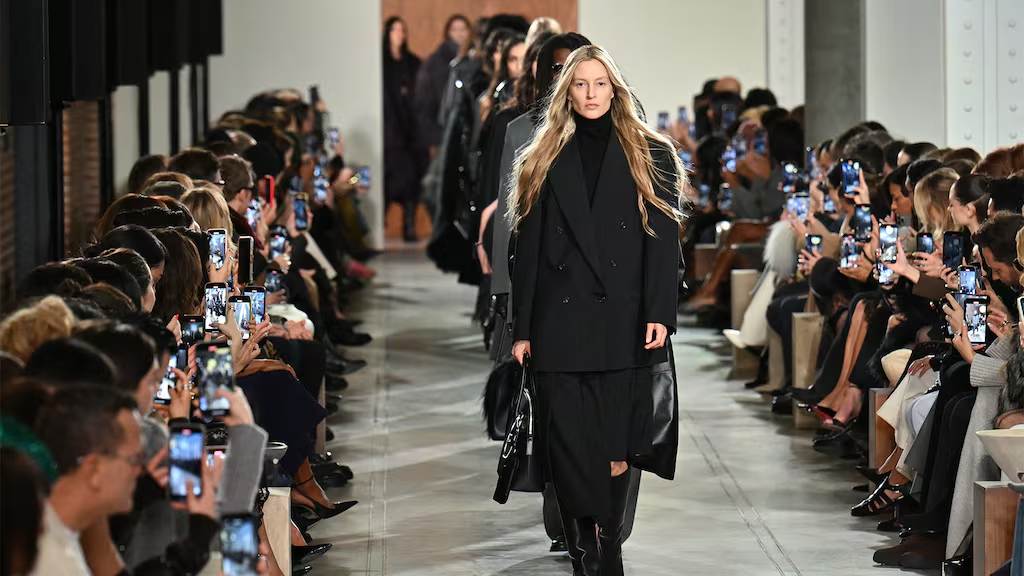
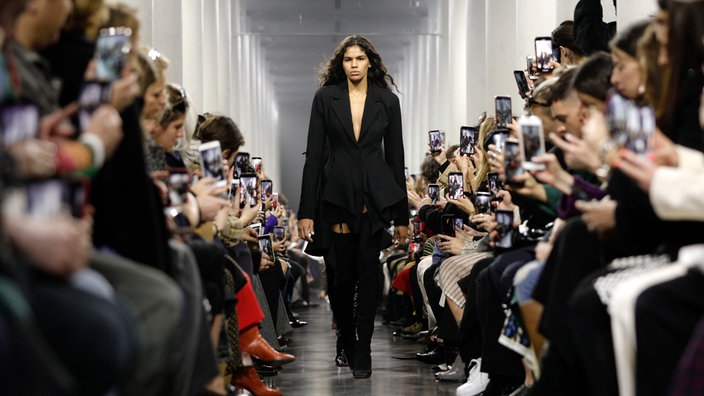
New York Fashion Week (often called NYFW) is one of the most famous fashion events in the world. Normally people expect it to be exciting, full of big shows, big designers, and big trends. But this year, something felt a little… quieter than usual. Instead of loud excitement and packed schedules, the whole event left many people wondering whether things are changing in big ways.
In simple words: this season’s fashion week didn’t have the usual buzz. Some big names weren’t there, many shows felt smaller, and overall the mood was calmer and less dramatic than people expected. That made critics, designers, buyers, and fashion fans ask big questions about the future of NYFW.
1. New York Fashion Week Isn’t as Loud as Before
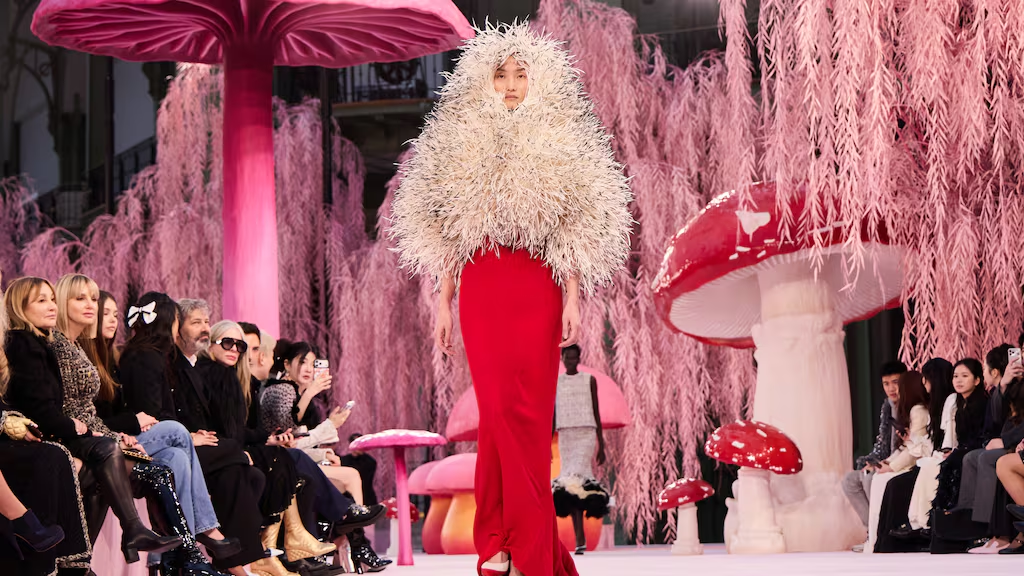
In past years, New York Fashion Week used to feel like a huge global celebration — with international designers, tons of shows, big parties, big celebrities, and big announcements. But in 2026, it felt quieter. Some major designers skipped their shows or chose not to participate. That shift led many people in the industry to wonder why that is happening.
a. Major Names Missing
Some designers who once were regulars at NYFW did not show their collections this year. Famous brands sometimes decide to show their work in other cities or at different times, and that left noticeable gaps in the schedule.
Experts say this can be a sign of changing priorities among designers — not necessarily bad, but different. Some designers might feel that showing in Paris or Milan gives them more attention, or they might be experimenting with different ways of sharing their fashion instead of traditional runway shows.
b. Smaller, Compacted Schedules
This year there were fewer events than in big past seasons. Some designers are cutting back on big fashion week budgets, and that means smaller shows, fewer dramatic runway moments, and less spectacle overall.
These smaller schedules aren’t just a random change — they reflect how the fashion business itself is shifting, with more focus on efficiency, digital presentations, and targeted audiences instead of massive public shows.
2. Financial Pressure and Costs Are a Real Issue
One of the reasons experts believe NYFW felt quieter is that running big fashion shows is very expensive. Designers, brands, and sponsors all spend a lot of money to put on runway events, and in the current economy many are cutting costs.
a. Big Brands Are Being Careful
Recently, some important fashion companies have faced financial problems, and this makes designers nervous about spending too much on shows that don’t guarantee big returns. For example, the bankruptcy of Saks Global — the company behind luxury retailers like Saks Fifth Avenue — meant some brands felt pressure to tighten their budgets. This affected the size and scale of certain shows and events.
So instead of spending huge amounts of money on big spectacle shows, many designers chose simpler presentations that feel more measured and thoughtful. That doesn’t mean fashion is less creative, but it does mean there is more focus on business sense and less on extravagent displays.
3. New Ways of Showing Fashion
Another reason NYFW felt quieter this year is that the fashion world is changing how it shows clothes.
a. Digital and Tech‑Driven Shows
Some brands are experimenting with technology like AI, virtual try‑on tools, and smart mirrors. These innovations let buyers and guests see clothes in new ways — sometimes even without a traditional runway show. For example, a brand may let people upload a photo of themselves to see how clothes would look on them, right on the spot.
This doesn’t replace fashion week entirely, but it shows that designers are thinking differently about how they share their collections. It makes fashion more interactive and personal, not just a performance on a stage.
b. Rethinking What a “Show” Is
In some cases, designers presented their collections through small presentations, quiet settings, or invite‑only rooms — not big catwalks. This makes the fashion feel more intimate, but it can also make the week feel less exciting to a wider audience.
So in a way, New York Fashion Week isn’t dying — it’s evolving into new formats that may not be as flashy, but could be more meaningful to the people involved.
4. The Mood Was More Practical Than Glamorous
Another theme people noticed is that NYFW 2026 seemed more practical and grounded than glamorous and dramatic.
In many of the runway collections, designers focused on clothes people can actually wear — not just artistic statement pieces. Makes like Coach, Calvin Klein, and Tory Burch offered outfits that you could see being worn on city streets, not just in fashion magazines.
This doesn’t mean creativity disappeared — it just means designers are thinking about fashion in a more useful, wearable way. Rather than high art that only few people understand, they are creating clothes that everyday people could wear if they wanted. That’s something buyers and shoppers tend to like.
5. Street Style Still Had Excitement
Even if the official shows felt quieter, the street style scene — that’s the outfits worn by people attending Fashion Week — still had life and interesting moments.
For example, outside the runway tents and venues there were striking trends people noticed:
-
Bold animal‑print coats seen everywhere.
-
Chic, city‑ready looks mixing classic and edgy pieces.
-
Memorable accessories like neckties mixed in creative ways.
So even if the official shows felt quieter, the fashion buzz outside the runways was still alive and full of creativity.
6. A Mix of Old and New Trends
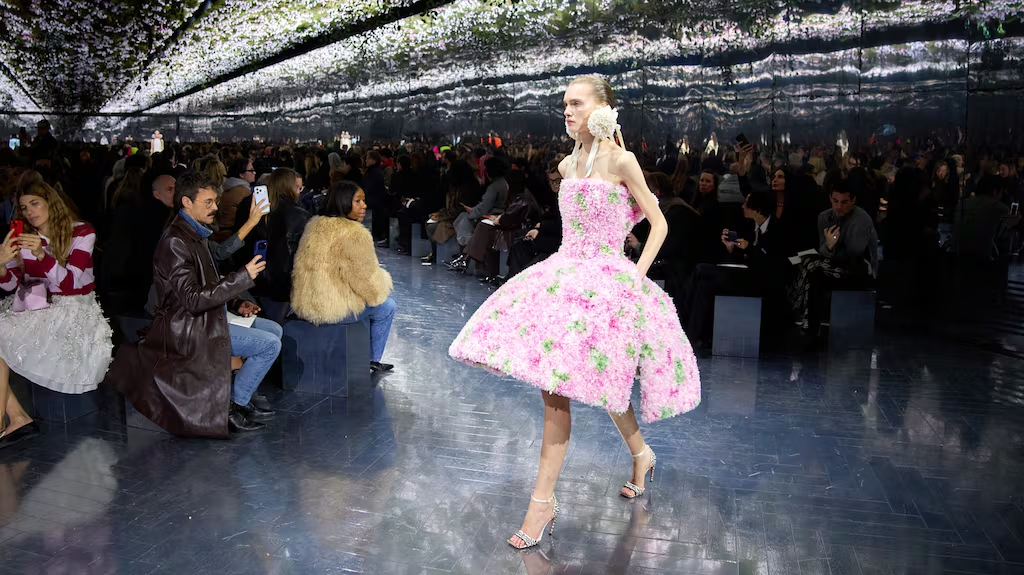
Another thing about NYFW 2026 that stands out is how designers are bringing back past fashion trends and mixing them with new ideas.
For example:
-
Some designers drew inspiration from the late 1990s and updated those looks for today.
-
Others took inspiration from earlier decades — like the 2010s — and refreshed them with modern twists.
This mix of old and new shows that fashion is becoming nostalgic and reflective. Rather than just inventing completely new ideas, designers are looking back and rethinking what worked before in a way that feels fresh.
7. Voices and Statements at Fashion Week
This season wasn’t just about clothes — it was also a place where designers and brands used their platform to express opinions.
For example, some designers wore pins and made political statements about immigration policy in the United States. Small pins that said things like “ICE OUT” appeared on runways and front rows, showing that some people in fashion are using the event to comment on current issues.
Fashion Week has always been cultural, not just about clothes. Designers often respond to what’s happening in the world, and this year that trend continued.
8. Is NYFW Losing Its Status?
All these things — quieter shows, fewer big names, technology blending with tradition, and costs making people cautious — raised a big question:
Is New York Fashion Week still as important as it used to be?
Some people think that in recent years, cities like Paris and Milan have taken more of the spotlight. Big global fashion houses still favor those cities because they attract more international buyers and media attention.
But others say NYFW still matters — it’s just changing. It remains an important space for American designers and ready‑to‑wear fashion, and it continues to be a place where new ideas get showcased and trends are spotted.
So it’s not that NYFW is disappearing — it’s adapting to changes in business, creativity, and audience expectations.
9. What This Means for the Future
If we look at what happened this year, a few clear ideas come out:
a. Fashion Week Isn’t Dead — It’s Changing
The quieter tone doesn’t mean people stopped caring about fashion. It means that fashion week is evolving into something more flexible — less about a huge spectacle and more about practical, wearable design and thoughtful presentation.
Designers are playing with technology, smaller shows, and new formats, and that could shape future seasons.
b. Creativity Still Lives Outside the Runways
Even if the official events were quieter, street style and individual expression showed that people are still passionate about fashion. In some ways, what people wear on the streets is becoming just as exciting as runway shows.
c. Money Matters More Than Ever
Financial challenges and cautious spending mean that brands have to plan more carefully. This might lead to more collaborations with technology, creative presentations, and new ways of connecting with audiences.
Conclusion — A Quiet Yet Important Fashion Week
In the end, New York Fashion Week 2026 might not have been the loudest or flashiest show in history, but it was meaningful. Good fashion weeks make people think — not just watch pretty clothes go down a runway. This one made designers, critics, and fans ask questions about what fashion means, how it should be shown, and where it’s going next.
The trends, collaborations, political statements, and even the quieter shows all reflect a fashion world that is thoughtful, cautious, and increasingly innovative. Fashion may no longer be just about big events and dramatic runway moments — it’s now also about how designers connect with people, technology, culture, and issues that matter.
So while this New York Fashion Week may have been quieter, it left behind lots of big questions and new ideas for the future of fashion.
Read Also: Keep your face towards the sunshine and shadows will fall behind you
Watch Also: https://www.youtube.com/@TravelsofTheWorld24




Leave a Reply