
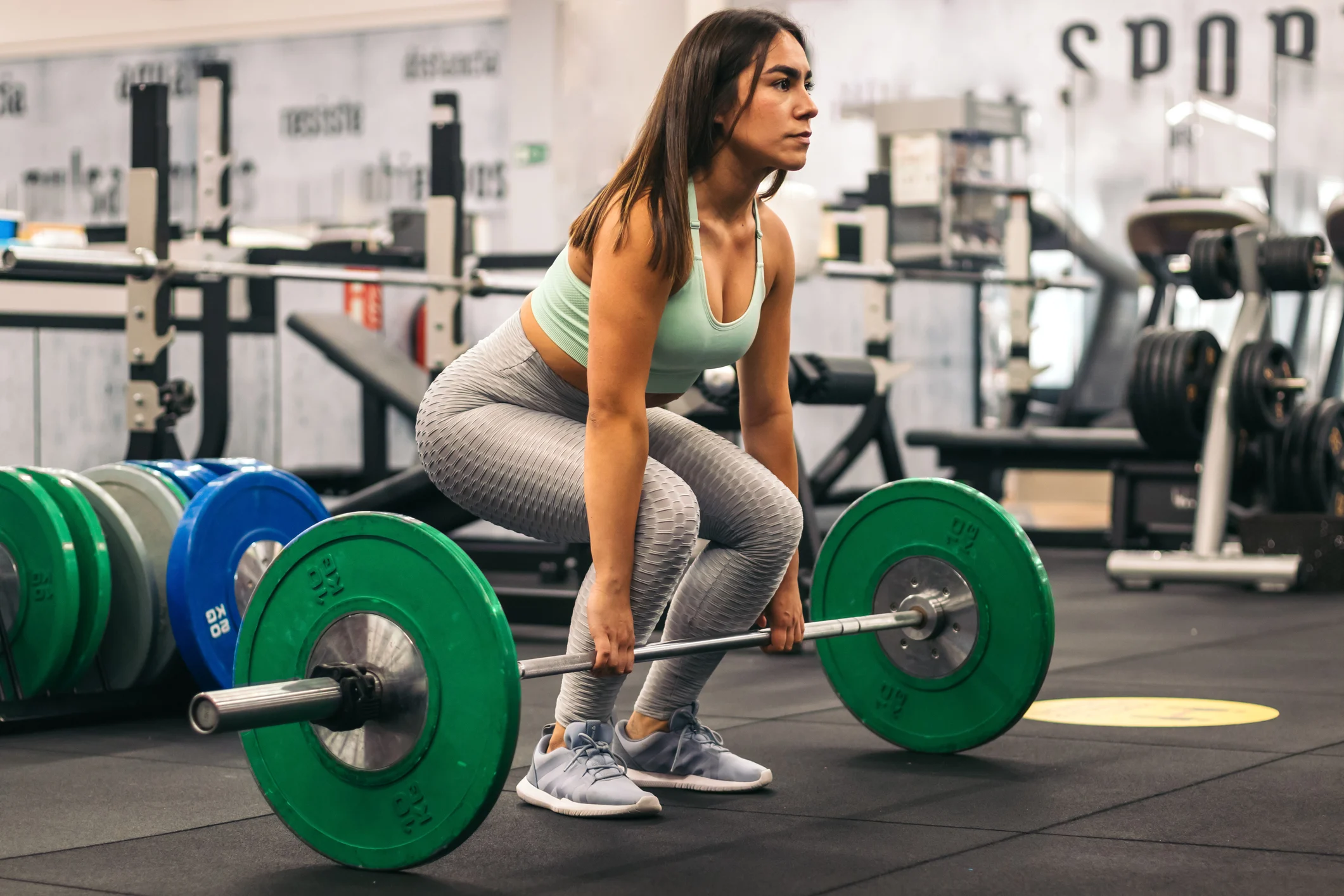
Exercise is not just about moving your body—it’s about improving your health, strength, and energy. One important type of exercise is anaerobic exercise, which is different from the usual cardio workouts. Understanding it can help you get stronger, faster, and healthier.
What Is Anaerobic Exercise?
Anaerobic exercise is high-intensity activity done in short bursts. Unlike aerobic exercise, it doesn’t rely on oxygen to produce energy. Instead, your body uses stored energy in muscles to perform the movement.
Key points:
-
Short and intense effort
-
Uses energy stored in muscles
-
Builds strength, speed, and power
-
Usually lasts from a few seconds to about 2 minutes
Examples of anaerobic exercise: sprinting, heavy weightlifting, jumping exercises, HIIT (high-intensity interval training), push-ups, and squats with added resistance.
How Anaerobic Exercise Works
When you start a short, intense activity, your body doesn’t have time to bring in enough oxygen to produce energy. It switches to stored energy in your muscles, which creates lactic acid as a byproduct. This is why your muscles may feel tired or “burn” during anaerobic workouts.
Tip: The burn is normal and shows your muscles are working hard.
Benefits of Anaerobic Exercise
-
Builds Muscle Strength: Lifting weights or doing resistance exercises makes your muscles bigger and stronger.
-
Increases Power and Speed: Sprints, jumps, and explosive movements improve how fast and powerful you can be.
-
Boosts Metabolism: Anaerobic workouts burn calories even after you finish exercising.
-
Improves Bone Health: Weight-bearing activities strengthen bones and reduce risk of osteoporosis.
-
Enhances Performance: Athletes use anaerobic training to run faster, jump higher, or lift heavier.
-
Supports Heart Health: Short bursts of high-intensity exercise improve blood circulation and heart efficiency.
Anaerobic vs Aerobic Exercise
It’s important to know the difference between the two main types of exercise:
| Feature | Aerobic Exercise | Anaerobic Exercise |
|---|---|---|
| Intensity | Moderate | High |
| Duration | Longer (20–60 min) | Short (10 sec–2 min) |
| Energy Source | Oxygen + carbs/fats | Muscle-stored energy |
| Benefits | Endurance, heart health | Strength, speed, power |
| Examples | Jogging, swimming, cycling | Sprinting, HIIT, weightlifting |
Tip: Both types are important. Aerobic exercise improves endurance, while anaerobic exercise builds strength and muscle.
Popular Anaerobic Exercises
-
Sprinting: Short bursts of running at maximum speed. Great for legs and cardiovascular strength.
-
HIIT (High-Intensity Interval Training): Alternating short, intense bursts with recovery periods.
-
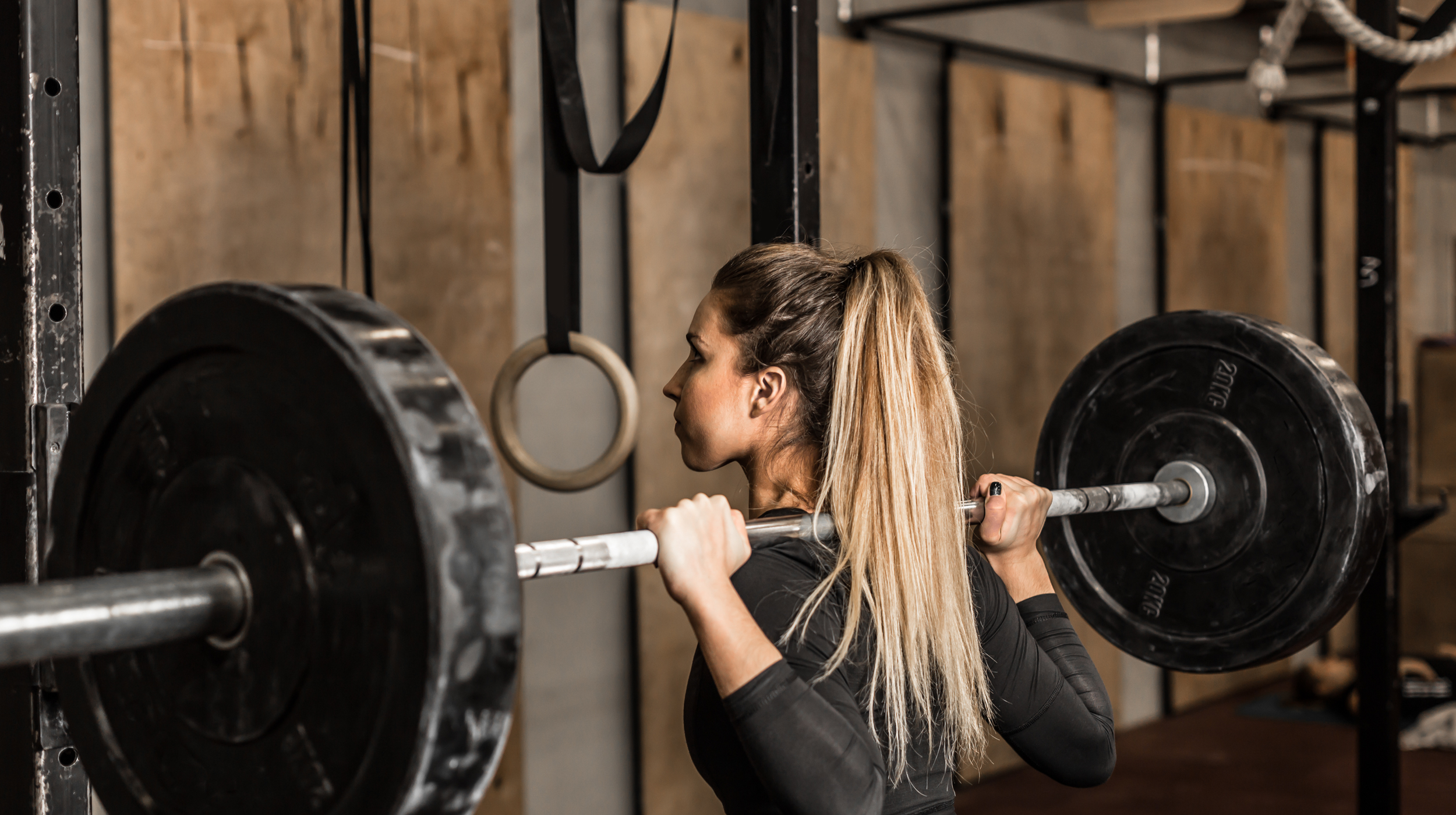
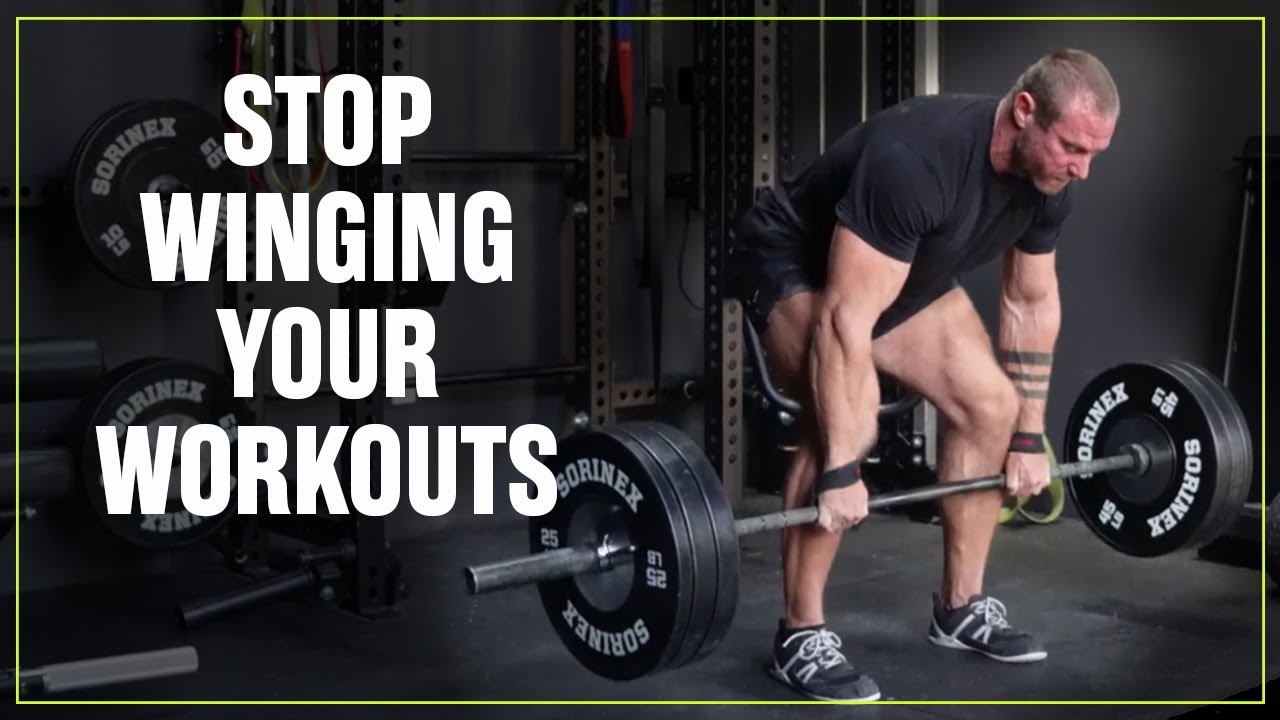
Weightlifting: Heavy lifting for short sets builds muscles.
-
Jumping Exercises: Jump squats, box jumps, and plyometrics improve power.
-
Bodyweight Moves: Push-ups, pull-ups, and burpees done intensely for a short time.
How to Start Anaerobic Training
-
Warm-Up: Always warm up for 5–10 minutes to prevent injury.
-
Start Slow: Begin with shorter bursts and fewer repetitions.
-
Focus on Form: Proper technique is more important than speed or weight.
-
Rest Between Sets: Anaerobic exercise requires recovery; 1–3 minutes between sets is normal.
-
Progress Gradually: Increase intensity, reps, or weight slowly.
Tip: Combine anaerobic workouts with aerobic exercise for balanced fitness.
Safety Tips
-
Avoid overtraining—your muscles need time to recover.
-
Stay hydrated and fuel your body with protein and healthy carbs.
-
Listen to your body; stop if you feel pain, dizziness, or extreme fatigue.
-
Consult a trainer if you’re new to heavy lifting or high-intensity training.
Long-Term Benefits
Regular anaerobic exercise can:
-
Increase muscle mass and strength
-
Improve overall metabolism and fat loss
-
Enhance athletic performance
-
Strengthen bones and joints
-
Improve insulin sensitivity and reduce risk of diabetes
Summary: Anaerobic exercise is all about short bursts of high-intensity activity. It builds strength, speed, and power while improving metabolism and overall health. Combining it with aerobic exercise gives the best results for fitness and heart health.
Read Also: Keep your face towards the sunshine and shadows will fall behind you
Watch Also: https://www.youtube.com/@TravelsofTheWorld24





Leave a Reply