
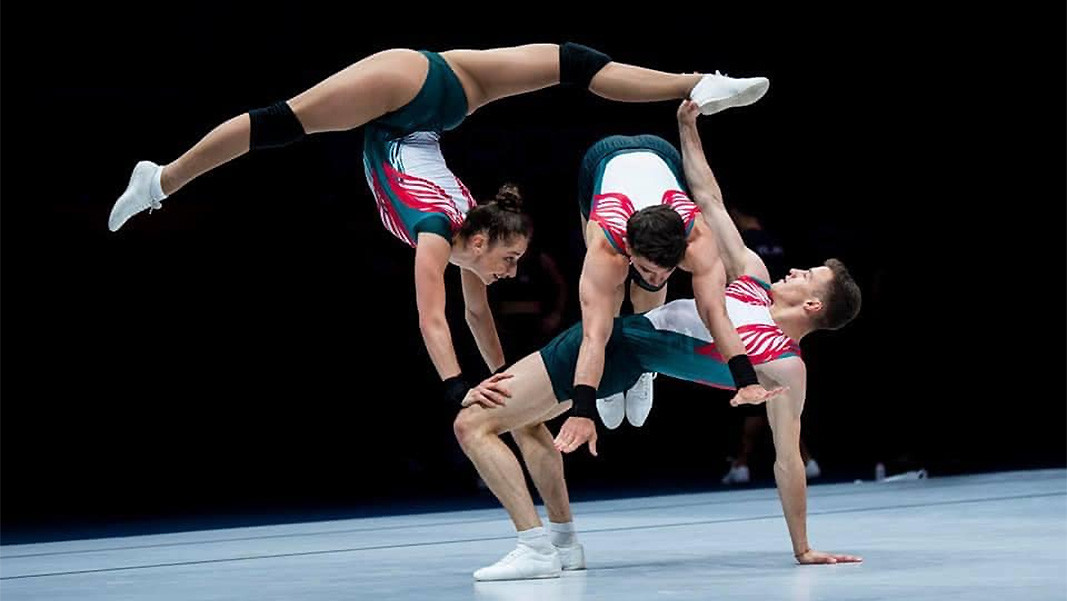
Aerobic gymnastics is a type of sport that combines movement, strength, flexibility, and rhythm. It is different from regular gymnastics because it focuses on continuous, high-energy movements performed to music. The goal is to show endurance, control, and coordination while performing patterns of jumps, kicks, and dance-like movements. It is both exciting to watch and challenging to perform.
Aerobic gymnastics can be done individually, in pairs, or in groups. Each routine lasts around 60 to 90 seconds and is performed to lively music that helps athletes keep their energy high. The routines are carefully choreographed, combining aerobic steps with gymnastic elements like jumps, lifts, and balances. Judges score performances based on difficulty, technique, artistic presentation, and overall execution. (FIG-gymnastics.com)
One of the key features of aerobic gymnastics is its intensity. Athletes must maintain high energy levels throughout the routine. This requires excellent cardiovascular fitness, strong muscles, and precise timing. Unlike other forms of gymnastics that may focus on individual moves, aerobic gymnastics emphasizes continuous movement. The athletes never stop moving, which makes the sport both physically demanding and visually impressive.
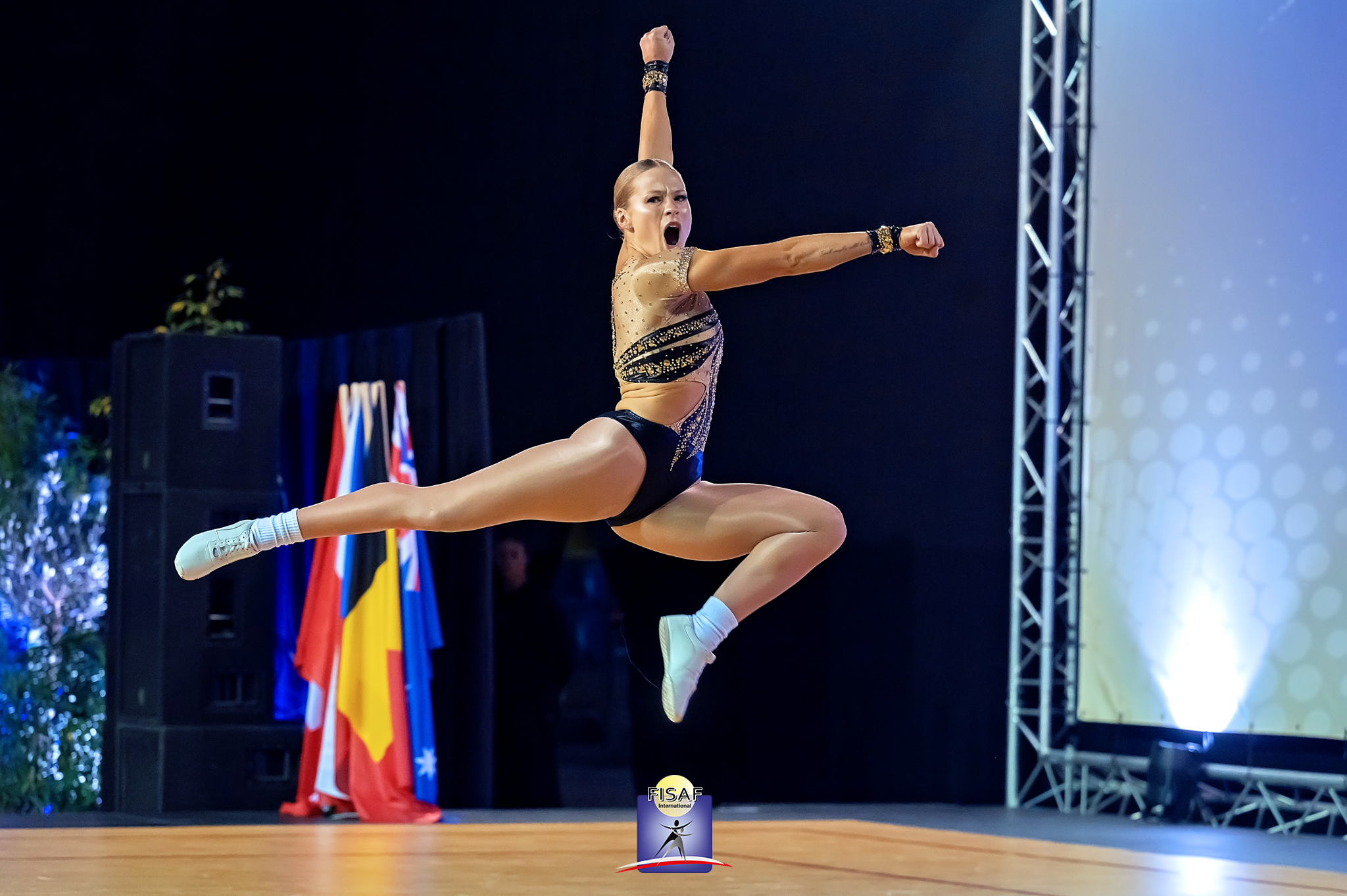
Flexibility is another important aspect. Gymnasts need flexible muscles and joints to perform high kicks, splits, and jumps. Flexibility helps prevent injuries and allows for a wider range of movements, making routines more dynamic and visually appealing. Strength is equally important, especially in lifts, jumps, and balancing movements. Core muscles, legs, and arms are all heavily used during a performance.
Aerobic gymnastics is also about rhythm and musicality. Every movement is synchronized with the beat of the music. This connection between movement and music makes routines entertaining and artistic. Gymnasts must count beats carefully and perform each step at the right moment. The music not only guides the performance but also helps convey emotion, energy, and style.
There are several types of aerobic gymnastics routines. Individual routines are performed by a single gymnast, showcasing personal skill, strength, and creativity. Pair routines involve two gymnasts performing together, often including lifts and synchronized movements. Group routines can include three to five gymnasts, with complex formations, interactions, and teamwork. Each type requires different strategies and coordination, but all emphasize continuous aerobic movement.
Scoring in aerobic gymnastics is done by judges who evaluate four main areas: difficulty, execution, artistry, and composition. Difficulty refers to the complexity of the moves performed. Execution looks at how well the gymnast performs each movement without mistakes. Artistry evaluates the creativity, expression, and musical interpretation. Composition considers the overall design and flow of the routine. The final score combines all these aspects to determine the winner.
Aerobic gymnastics has roots in traditional gymnastics, dance, and fitness aerobics. It began to develop as a competitive sport in the late 20th century. Coaches and athletes wanted to create a form of gymnastics that was energetic, entertaining, and suitable for all ages. The International Gymnastics Federation (FIG) officially recognized aerobic gymnastics as a competitive sport in the 1990s, giving it a place alongside artistic and rhythmic gymnastics.
Training for aerobic gymnastics is intense. Athletes spend hours improving their strength, flexibility, and endurance. They also practice routines repeatedly to perfect timing, synchronization, and presentation. Conditioning exercises include running, jumping, core workouts, and strength training. Gymnasts also work on mental focus, as maintaining energy and precision under pressure is essential.
Aerobic gymnastics is performed on a 7×7 meter mat, which provides a safe surface for jumps, flips, and landings. The mat is slightly springy, which helps reduce the impact on joints and allows gymnasts to perform higher jumps. The performance area is marked clearly, and athletes must stay within these boundaries. Stepping outside the mat can lead to deductions in the score.
Competitions are held at national, continental, and world levels. The World Championships are the highest level of competition in aerobic gymnastics. Athletes from many countries compete, showing a wide variety of styles, techniques, and choreography. Competitions are exciting for spectators because of the fast pace, high energy, and creative routines.
Aerobic gymnastics also promotes health and fitness. The sport develops cardiovascular endurance, strength, flexibility, coordination, and balance. Because routines are energetic and fast-paced, they are excellent workouts for both body and mind. Many gyms and schools include aerobic gymnastics as part of their fitness programs, helping people stay active in a fun and structured way.
Teamwork is especially important in pair and group routines. Gymnasts must communicate, trust each other, and coordinate movements precisely. Lifts, jumps, and synchronized steps require careful timing and cooperation. Success in group routines depends not only on individual skill but also on the ability to work as a team.
Aerobic gymnastics is visually appealing because of its combination of speed, energy, and creativity. The fast-paced movements, high jumps, and expressive gestures make it exciting for audiences. Music, costumes, and choreography all contribute to the spectacle, turning routines into performances that are both athletic and artistic.
Safety is a key part of training and competition. Coaches teach proper techniques for jumps, landings, and lifts to prevent injuries. Warm-up exercises, stretching, and conditioning are important to maintain flexibility and strength. Protective mats and careful supervision also help ensure that gymnasts can perform challenging moves safely.
The sport encourages personal development and discipline. Gymnasts learn time management, dedication, and focus through regular practice. They also develop confidence, teamwork skills, and the ability to perform under pressure. Many former aerobic gymnasts continue to use these skills in other areas of life, including education, careers, and coaching.
Aerobic gymnastics has grown in popularity around the world. Countries like Romania, Russia, China, Brazil, and Spain are known for strong programs and talented athletes. International competitions help athletes share techniques, ideas, and styles, contributing to the growth and evolution of the sport.
In conclusion, aerobic gymnastics is an exciting, energetic, and challenging sport. It combines continuous movement, strength, flexibility, coordination, and musicality in fast-paced routines. Whether performed individually, in pairs, or in groups, it emphasizes skill, creativity, and endurance. The sport develops physical fitness, teamwork, and discipline, making it rewarding for athletes and entertaining for audiences. Aerobic gymnastics is a dynamic combination of sport and art, inspiring both participants and spectators alike.
Read Also: Keep your face towards the sunshine and shadows will fall behind you
Watch Also: https://www.youtube.com/@TravelsofTheWorld24








Leave a Reply