
1. Independence Hall, Philadelphia
Independence Hall is where the Declaration of Independence and the U.S. Constitution were debated and signed. Built in 1753, the building is a symbol of freedom and democracy. Its brick facade and simple Georgian design reflect 18th-century architecture. Visitors can tour the assembly rooms where history was made and see artifacts from the nation’s founding.
2. The White House, Washington, D.C.
The White House has been the official residence of every U.S. president since John Adams in 1800. Designed by James Hoban, it combines neoclassical elements with modern updates. The White House is not only a home but also a working office for the president. Its historic rooms, such as the Oval Office and the East Room, are recognized worldwide.
3. Mount Vernon, Virginia
Mount Vernon was the plantation home of George Washington. Built in the 18th century, it reflects the lifestyle of America’s first president. The house sits on a hill overlooking the Potomac River, with gardens, outbuildings, and walking paths preserved for visitors. Mount Vernon showcases colonial architecture and the early life of one of the nation’s founding figures.
4. Monticello, Virginia
Monticello was the home of Thomas Jefferson, designed by Jefferson himself. Completed in 1809, it features neoclassical design and innovative architectural ideas for its time. Visitors can explore the main house, gardens, and Jefferson’s inventions. Monticello reflects both Jefferson’s taste and his role as a thinker, designer, and leader.
5. Independence National Historical Park, Philadelphia
Beyond Independence Hall, the Independence National Historical Park includes other historic buildings like Congress Hall and the Liberty Bell Pavilion. The park preserves the area where the United States declared independence. It combines colonial architecture with educational exhibits to help visitors understand early American history.
6. Alamo Mission, San Antonio
Alamo Mission is famous for the 1836 battle during the Texas Revolution. Originally a Spanish mission, it became a symbol of courage and sacrifice. The Alamo’s stone structure has been preserved for centuries, and visitors can see historical artifacts and learn about the fight for Texas independence.
7. Ellis Island, New York
Ellis Island served as the gateway for millions of immigrants entering the United States from 1892 to 1954. The main building houses the Ellis Island Immigration Museum, which tells the stories of immigrants who shaped America. Its historic architecture includes red brick walls and grand halls where immigrants were processed.
8. Library of Congress, Washington, D.C.
The Library of Congress is the largest library in the world and an architectural masterpiece. Built in the late 19th century, the Thomas Jefferson Building features ornate details, marble staircases, murals, and statues. It preserves millions of books, manuscripts, and historic documents, serving both as a cultural treasure and a research hub.
9. Boston’s Old State House
The Old State House was built in 1713 and is one of the oldest public buildings in the United States. It played a key role in the American Revolution, including the Boston Massacre. Today, it serves as a museum showcasing colonial history and early American government. Its red brick facade and classical detailing reflect early 18th-century design.
10. Ford’s Theatre, Washington, D.C.
Ford’s Theatre is where President Abraham Lincoln was assassinated in 1865. The theatre has been preserved as a historic site and museum, telling the story of Lincoln’s presidency and the events surrounding his death. Visitors can see the original stage, seats, and related exhibits, connecting them to this pivotal moment in American history.
11. Hearst Castle, California
Hearst Castle was built by newspaper magnate William Randolph Hearst in the early 20th century. Designed by architect Julia Morgan, the estate features grand rooms, gardens, pools, and art collections. It represents the lavish lifestyle of America’s elite during that era and is a symbol of architectural ambition and creativity.
12. The Pentagon, Arlington
The Pentagon, completed in 1943, is the headquarters of the U.S. Department of Defense. Its five-sided design is unique, and it remains one of the largest office buildings in the world. Beyond its architectural interest, the Pentagon has played a critical role in U.S. military history.
13. Mount Rushmore National Memorial, South Dakota
While technically a monument rather than a building, the Mount Rushmore National Memorial includes carved sculptures within granite faces representing presidents George Washington, Thomas Jefferson, Theodore Roosevelt, and Abraham Lincoln. It stands as a historic site celebrating U.S. history and presidential legacy.
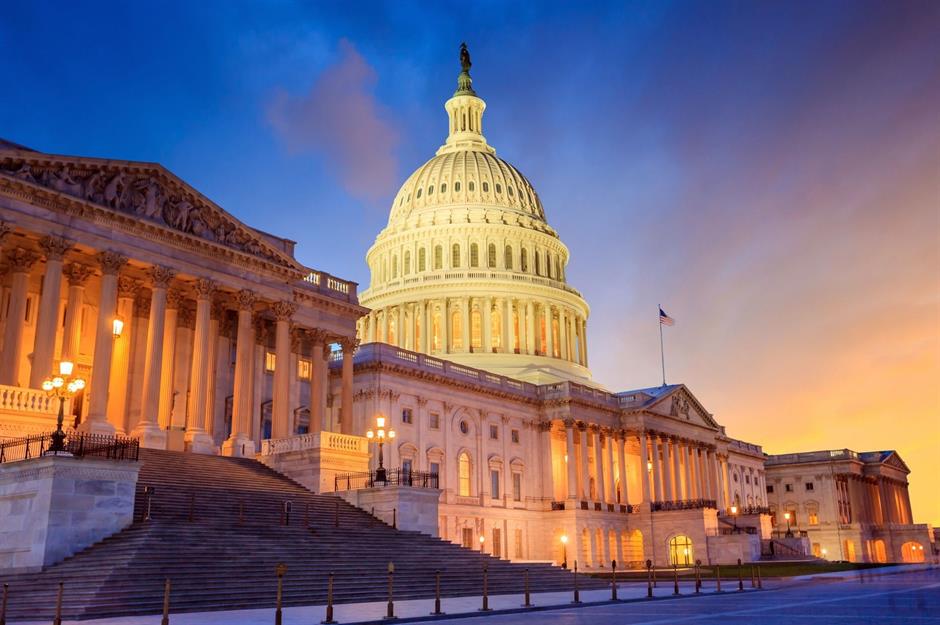
14. The U.S. Capitol, Washington, D.C.
United States Capitol is the home of the U.S. Congress and a symbol of American democracy. Its dome, designed in the 19th century, is iconic. Inside, visitors can explore chambers, halls, and historic art, reflecting the legislative and architectural history of the nation.
15. The Empire State Building, New York
Empire State Building, completed in 1931, is an art deco skyscraper and one of the most recognized buildings in the world. It represents America’s growth, technological advancement, and ambition during the early 20th century. It remains a popular tourist destination and symbol of New York City.
Why These Buildings Matter
Historic buildings in America do more than look beautiful. They:
-
Tell the story of the nation’s political, cultural, and social development
-
Showcase changing architectural styles over centuries
-
Preserve the legacy of influential figures and events
-
Educate the public about history and heritage
Many of these buildings are protected as national landmarks, museums, or parks, ensuring they remain part of American culture for generations to come.
Visiting Historic Buildings
Traveling to these sites allows people to experience history firsthand. Guided tours, exhibits, and interactive displays help visitors understand the significance of each structure. Many cities, like Philadelphia, Washington D.C., and Boston, offer walking tours that include multiple historic buildings in one route.
Visiting historic buildings also highlights the connection between architecture and history. Details such as brickwork, columns, carvings, and interiors provide insight into the culture, technology, and craftsmanship of each era.
Conclusion
From Independence Hall to the Empire State Building, America’s most historic buildings offer a window into the past. They preserve stories of freedom, innovation, leadership, and creativity. Whether you are exploring early colonial architecture, presidential homes, iconic skyscrapers, or historic theatres, each building tells a unique story about the country and its people. Preserving and visiting these sites ensures that the history they represent continues to educate and inspire future generations.
Read Also: Keep your face towards the sunshine and shadows will fall behind you
Watch Also: https://www.youtube.com/@TravelsofTheWorld24








Leave a Reply