
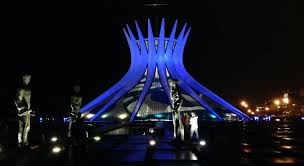
Cathedral of Brasilia, officially known as the Metropolitan Cathedral of Our Lady of Aparecida, is one of the most remarkable examples of modernist architecture in the world. Located in Brasilia, the capital city of Brazil, it was designed by the renowned architect Oscar Niemeyer and completed in 1970. The cathedral combines innovation, spirituality, and symbolism, making it an iconic landmark of the city.
Historical Background
Brasilia was founded in 1960 as the new capital of Brazil, designed to represent progress, modernization, and national identity. The Cathedral of Brasilia was conceived as part of this vision, intended to be a centerpiece of the city’s religious and cultural life. Oscar Niemeyer, a pioneer of modernist architecture, was tasked with creating a design that reflected both faith and innovation.
The cathedral was inaugurated on May 31, 1970, and quickly became a symbol of Brasilia and modern Brazilian architecture. It demonstrates the country’s embrace of contemporary design while honoring religious tradition.
Architectural Design
The Cathedral of Brasilia is notable for its unique and futuristic design, which departs from traditional cathedral architecture.
1. Structure and Form
The cathedral features sixteen hyperboloid columns made of concrete, arranged in a circular pattern. The columns curve upward, resembling hands reaching toward the sky, symbolizing prayer and faith. The open spaces between the columns allow natural light to penetrate the interior, creating a spiritual and uplifting atmosphere.
The structure weighs over 90 tons per column, supported by strong foundations to ensure stability and longevity. Its modernist design emphasizes simplicity, elegance, and harmony with the surrounding urban landscape.
2. Roof and Glass Panels
The roof of the cathedral is made of reinforced concrete and is topped with a crown-like structure. Large stained-glass windows, designed by Marianne Peretti, fill the spaces between the columns. The glass creates a kaleidoscope of colors inside, shifting throughout the day as sunlight changes. The combination of concrete and glass creates a dynamic contrast between solidity and lightness.
3. Interior Spaces
Inside, the cathedral offers a vast and open space that enhances the feeling of openness and spirituality. Key features include:
-
A circular nave without traditional columns in the center, emphasizing community and unity
-
Altar and religious artifacts placed to focus attention on the liturgy
-
Sculptures and artistic details that complement the architectural form
The interior’s simplicity contrasts with the striking exterior, emphasizing the spiritual experience over ornamentation.
Symbolism and Religious Significance
Every aspect of the Cathedral of Brasilia has symbolic meaning:
-
The sixteen columns represent hands reaching to heaven, symbolizing prayer and devotion
-
The circular plan promotes unity and inclusiveness
-
The stained-glass windows illustrate light as a divine element, connecting the sacred and the natural world
The cathedral serves as the seat of the Archdiocese of Brasilia and hosts religious ceremonies, masses, weddings, and other events. It is both a place of worship and a cultural landmark.
Engineering and Construction
Constructing the Cathedral of Brasilia required innovative engineering solutions:
-
Hyperboloid columns were precisely calculated for stability and aesthetic effect
-
Reinforced concrete was used to support the curved forms
-
Advanced techniques ensured that the large glass panels were safely integrated
-
Lighting and ventilation were designed to enhance the spiritual atmosphere while maintaining structural integrity
These innovations make the cathedral a landmark of modernist engineering.
Urban Context and Landscape
The cathedral is located in the Praça da Sé (Cathedral Square) in the heart of Brasilia. Its open plaza allows visitors to view the building from multiple angles, highlighting its sculptural form. The surrounding gardens and reflecting pools enhance the aesthetic impact, creating a sense of serenity and contemplation.
Niemeyer’s design integrates the cathedral seamlessly into the city’s modernist urban plan, making it both a spiritual and architectural focal point.
Cultural and Touristic Significance
The Cathedral of Brasilia attracts thousands of visitors each year. Its unique design, spiritual ambiance, and historical importance make it a must-see destination. Tourists can:
-
Explore the interior and appreciate the stained-glass windows
-
Learn about Oscar Niemeyer’s design philosophy and modernist architecture
-
Participate in guided tours and educational programs
-
Attend religious and cultural events
The cathedral is widely recognized as one of the most important landmarks in Brasilia and a masterpiece of 20th-century architecture.
Architectural Legacy
The Cathedral of Brasilia has had a lasting influence on modern architecture:
-
It demonstrates how religious buildings can embrace contemporary design
-
It showcases the possibilities of reinforced concrete and sculptural forms
-
It inspires architects worldwide to experiment with form, light, and symbolism
-
It integrates urban planning and architecture, serving as a model for civic landmarks
Oscar Niemeyer’s design reflects his philosophy that architecture should combine beauty, functionality, and social purpose.
Conclusion
The Cathedral of Brasilia is more than a building; it is a symbol of faith, modernism, and Brazilian creativity. Its soaring columns, vibrant stained-glass windows, and open interior create a spiritual experience unlike any other.
As both a religious center and architectural masterpiece, the cathedral continues to inspire visitors, architects, and worshippers alike. It stands as a testament to Oscar Niemeyer’s vision, demonstrating how modernist architecture can elevate human experience while honoring tradition and culture.
Read Also: Keep your face towards the sunshine and shadows will fall behind you
Watch Also: https://www.youtube.com/@TravelsofTheWorld24








Leave a Reply