
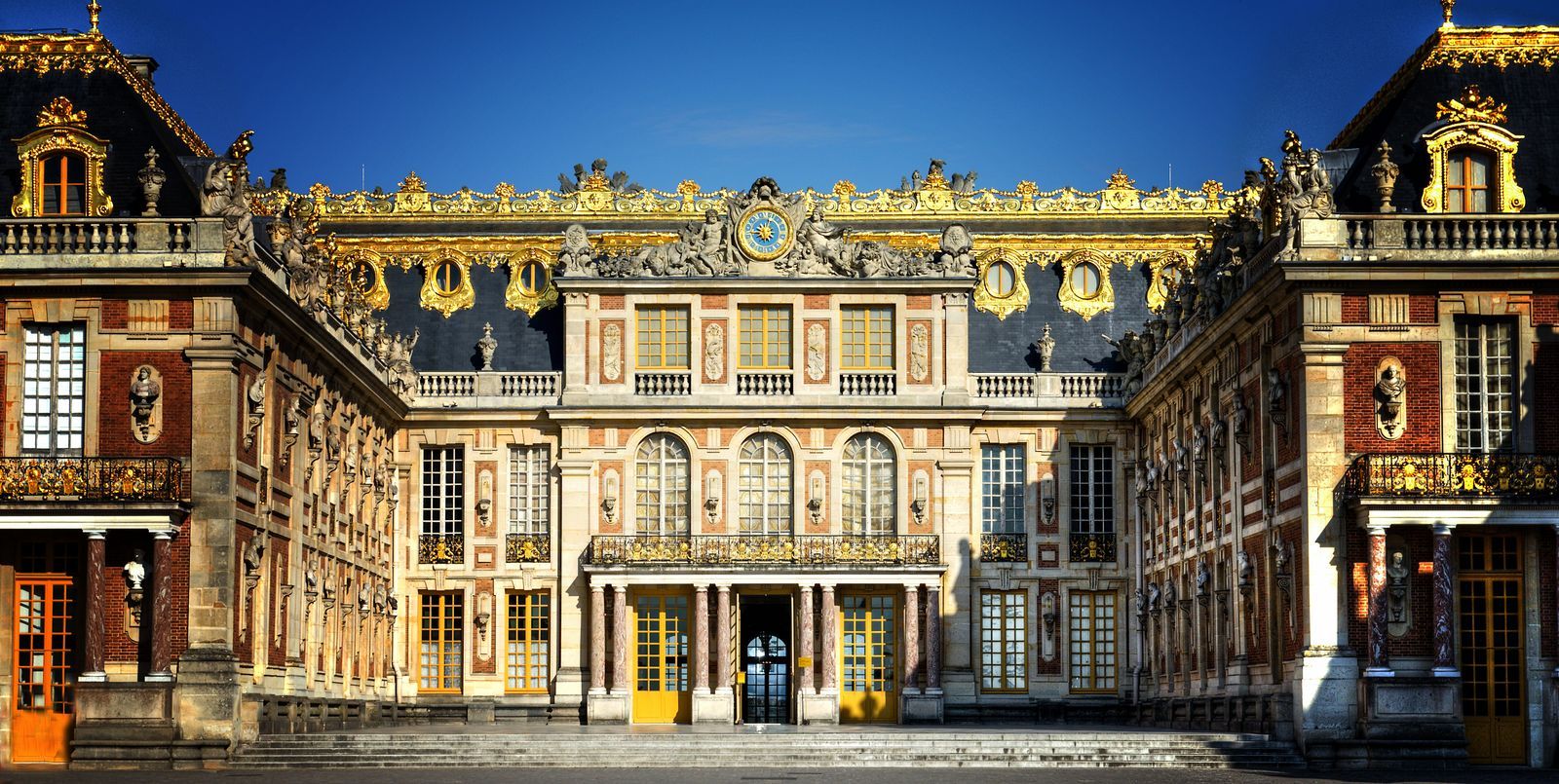
Palace of Versailles is one of the most famous palaces in the world, known for its luxurious architecture, extensive gardens, and historical significance. Located near Paris, France, it was the royal residence of French kings and queens and became a symbol of absolute monarchy, wealth, and power during the 17th and 18th centuries.
Historical Background
The Palace of Versailles began as a hunting lodge built by King Louis XIII in 1623. His son, King Louis XIV, transformed it into a grand palace starting in 1661, making it the seat of political power in France. Architects, artists, and gardeners worked together to create a residence that reflected the king’s authority and the grandeur of the French monarchy.
Versailles remained the center of French political life until the French Revolution in 1789, when the royal family was forced to leave. Since then, the palace has served as a museum, historic monument, and cultural landmark.
Architectural Design
The Palace of Versailles is a masterpiece of classical French architecture, combining elegance, symmetry, and elaborate decoration.
1. Exterior and Facade
The palace’s exterior is characterized by symmetrical wings, grand columns, and ornate sculptures. The central building, known as the Corps de Logis, houses the royal apartments and ceremonial rooms. Marble, stone, and gilded details create a luxurious and imposing appearance.
2. Interior Design
Inside, Versailles is renowned for its opulent interiors. Key features include:
-
Hall of Mirrors (Galerie des Glaces): A long hall with 357 mirrors reflecting windows overlooking the gardens. This room hosted royal ceremonies, celebrations, and the signing of treaties.
-
Royal Apartments: Lavishly decorated rooms for the king and queen, featuring gilded furniture, paintings, and intricate ceilings.
-
Chapel and Opera House: The palace includes a grand chapel for worship and a private opera house for performances.
Every room demonstrates meticulous craftsmanship, combining art, architecture, and symbolism.
3. Gardens and Landscaping
The gardens of Versailles, designed by landscape architect André Le Nôtre, are equally famous. They feature:
-
Geometric patterns, symmetrical pathways, and fountains
-
Sculptures, statues, and ornamental ponds
-
Grand terraces and tree-lined avenues
-
The Grand Canal, which adds a water element to the expansive gardens
The gardens reflect the principles of French formal landscaping, emphasizing order, beauty, and control over nature.
Cultural and Historical Significance
The Palace of Versailles is not just an architectural marvel—it played a central role in French history.
-
Political Power: Versailles was the center of government under Louis XIV, who used the palace to control the nobility and centralize authority.
-
Art and Culture: The palace hosted artists, musicians, and writers, influencing European art and culture.
-
Historical Events: Major events, including the signing of the Treaty of Versailles in 1919, took place here, shaping world history.
Versailles symbolizes the height of absolute monarchy and remains a powerful reminder of France’s cultural and political legacy.
Restoration and Preservation
Over centuries, Versailles has undergone multiple restorations to preserve its structure and artworks. The French government and heritage organizations maintain the palace, ensuring its historical integrity. Efforts include:
-
Repairing and cleaning sculptures, paintings, and tapestries
-
Restoring gardens and fountains to their original design
-
Updating visitor facilities while protecting historical authenticity
Preservation ensures that Versailles remains a symbol of French heritage and a world-class tourist destination.
Tourism and Visitor Experience
Today, Versailles attracts millions of visitors annually. Tourists can:
-
Explore the palace and its ornate interiors
-
Walk through the vast gardens and enjoy the fountains and sculptures
-
Attend exhibitions and guided tours about royal history and art
-
Experience special events, such as musical fountain shows and cultural performances
Visitors can also learn about the daily life of French royalty and the architectural innovations of the palace.
Architectural Legacy
The Palace of Versailles influenced architecture across Europe and beyond. Its design inspired:
-
Other royal palaces, such as Schönbrunn Palace in Austria and Peterhof Palace in Russia
-
Formal garden design and landscape architecture
-
Decorative arts and interior design in the Baroque and Classical styles
Versailles remains a reference for grandeur, symmetry, and artistic excellence.
Conclusion
The Palace of Versailles is more than a building—it is a symbol of history, art, and human ambition. Its luxurious architecture, intricate interiors, and magnificent gardens reflect the power and taste of the French monarchy.
As a cultural and historical landmark, Versailles continues to inspire awe, attracting visitors from around the world. It stands as a testament to the creativity, artistry, and vision of those who built and preserved it, making it one of the greatest architectural achievements in history.
Read Also: Keep your face towards the sunshine and shadows will fall behind you
Watch Also: https://www.youtube.com/@TravelsofTheWorld24









Leave a Reply