
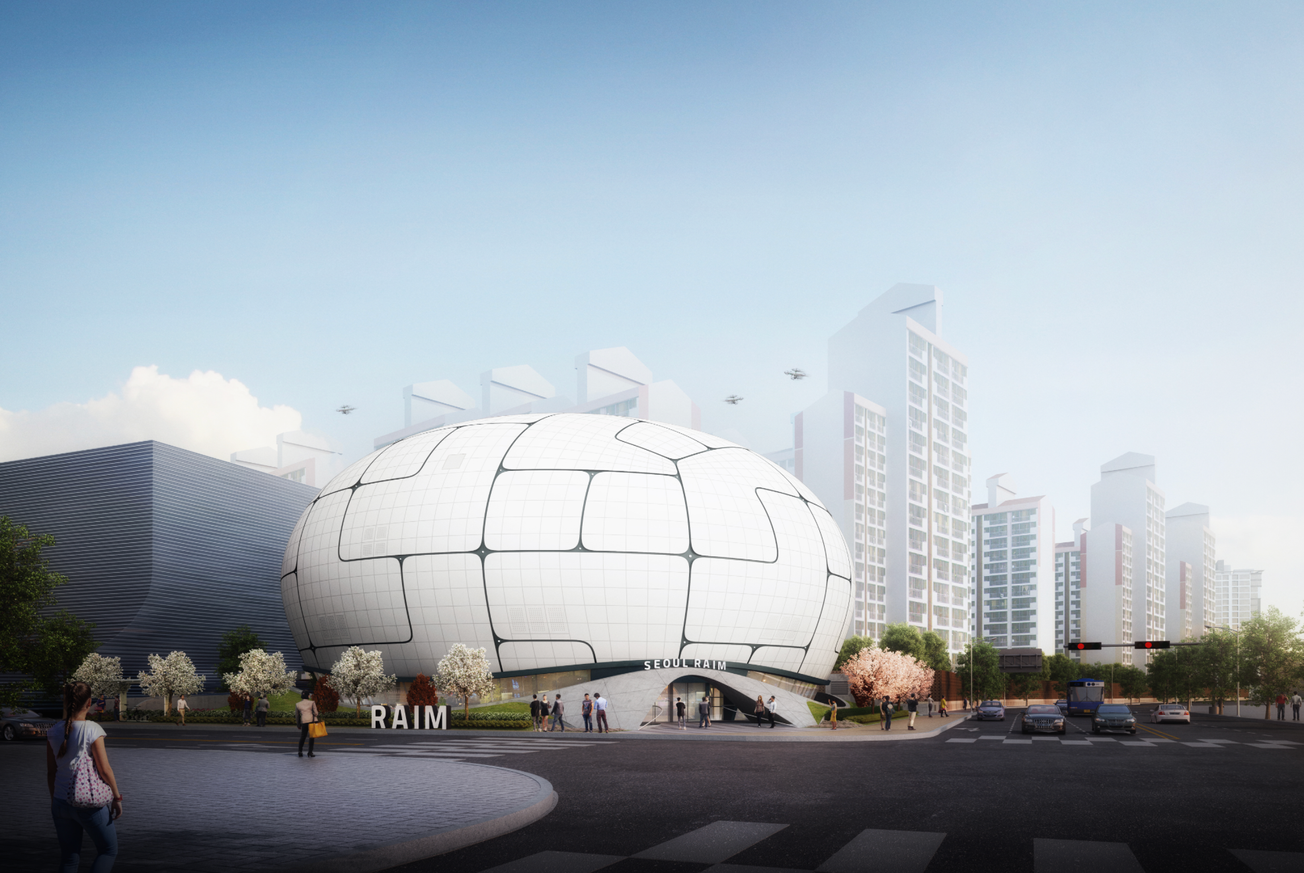
The RAIM (Robot & Artificial Intelligence Museum) is a unique museum dedicated to robotics, artificial intelligence, and the latest technological innovations. Located in Seoul, South Korea, RAIM offers visitors an interactive experience, showcasing the history, development, and potential of robots and AI in modern life. The museum blends education, entertainment, and cutting-edge technology, making it a must-visit destination for technology enthusiasts, students, and families.
Concept and Purpose
RAIM was established to explore the growing impact of robotics and AI on society. Its goal is to educate the public about these technologies, inspire curiosity, and demonstrate their practical applications. The museum highlights how robots and AI are shaping industries, healthcare, education, and daily life.
Key objectives include:
-
Education: Teaching visitors about robotics, AI, and their real-world applications.
-
Innovation: Showcasing the latest technological developments and breakthroughs.
-
Inspiration: Encouraging young people to pursue careers in STEM (Science, Technology, Engineering, and Mathematics).
-
Interaction: Providing hands-on experiences with robots and AI systems.
Museum Layout and Exhibits
RAIM is organized into several thematic zones, each focusing on a different aspect of robotics and AI.
1. Historical Robotics
This section traces the history of robots, from early mechanical devices to modern intelligent machines. Exhibits include:
-
Ancient automata from different cultures
-
Early industrial robots
-
Milestones in AI development
Visitors learn how robots evolved from simple tools to complex machines capable of performing human-like tasks.
2. Robotics in Daily Life
This zone focuses on how robots are integrated into everyday activities. Examples include:
-
Home assistant robots for cleaning, cooking, and personal care
-
Delivery robots for packages and food
-
Educational robots used in schools
Interactive displays allow visitors to control robots, understand their functions, and explore the benefits and limitations of automation.
3. Industrial Robotics
Industrial robots are vital in manufacturing, logistics, and other sectors. This section highlights:
-
Robotic arms used in factories
-
Automated production lines
-
Collaborative robots (cobots) that work alongside humans
The exhibit demonstrates efficiency, precision, and safety improvements enabled by robotics in industry.
4. Artificial Intelligence
RAIM emphasizes AI as a core driver of modern technology. Exhibits show how AI algorithms analyze data, make decisions, and even learn over time. Key areas include:
-
Machine learning and neural networks
-
AI in healthcare and diagnostics
-
AI in autonomous vehicles and smart cities
Visitors can interact with AI systems, see real-time data processing, and explore ethical considerations surrounding AI decision-making.
5. Humanoid Robots and Entertainment
The museum features humanoid robots that interact with visitors, perform tasks, and demonstrate human-like behaviors. Examples include:
-
Robots that speak multiple languages
-
Robots capable of performing dance or music
-
Interactive gaming robots
This zone highlights the entertainment and companionship potential of robotics, showing how machines can engage with humans beyond practical tasks.
6. Future Technology Zone
The final section projects future developments in robotics and AI. Exhibits explore:
-
Robotics in space exploration
-
AI-driven healthcare solutions
-
Smart cities with integrated robotic systems
-
Emerging technologies like soft robotics and bio-robotics
Visitors gain insight into how these innovations could shape the next decades of human life.
Educational Programs
RAIM offers educational programs for students, professionals, and families. These include:
-
Robotics workshops and coding classes
-
AI seminars and lectures
-
Competitions for young inventors and engineers
Programs encourage hands-on learning and creativity, helping participants understand and experiment with complex technologies.
Interactive Experiences
One of RAIM’s main attractions is its interactive experiences. Visitors can:
-
Control robots through touchscreens or VR interfaces
-
Participate in AI experiments
-
Explore simulated environments with robots
-
Take part in guided tours and demonstrations
These experiences make technology tangible, allowing visitors to directly engage with robots and AI systems rather than only observing them.
Technological and Cultural Significance
RAIM serves as a bridge between technology and society. It educates the public on the benefits and challenges of robotics and AI while promoting innovation in Korea and globally. The museum also emphasizes:
-
Ethics in AI: Highlighting issues such as privacy, job automation, and AI safety.
-
Cultural Integration: Showing how robots and AI can enhance daily life and cultural experiences.
-
Global Collaboration: Featuring technologies developed by international research teams.
By combining technology, education, and culture, RAIM plays a unique role in preparing society for a rapidly evolving future.
Tourism and Public Engagement
RAIM is a popular destination for tourists and locals alike. Its location in Seoul makes it accessible to students, families, and technology enthusiasts. The museum hosts special exhibitions, robotics competitions, and seasonal events to engage visitors of all ages.
Conclusion
RAIM (Robot & Artificial Intelligence Museum) in Seoul is more than just a museum—it is a gateway to the future. By exploring robotics and AI through interactive exhibits, educational programs, and demonstrations, the museum inspires curiosity, learning, and innovation.
It highlights the potential of technology to transform industries, enhance daily life, and shape the world of tomorrow. RAIM stands as a symbol of human creativity, intelligence, and the exciting possibilities that arise when science and imagination meet.
Read Also: Keep your face towards the sunshine and shadows will fall behind you
Watch Also: https://www.youtube.com/@TravelsofTheWorld24













Leave a Reply