
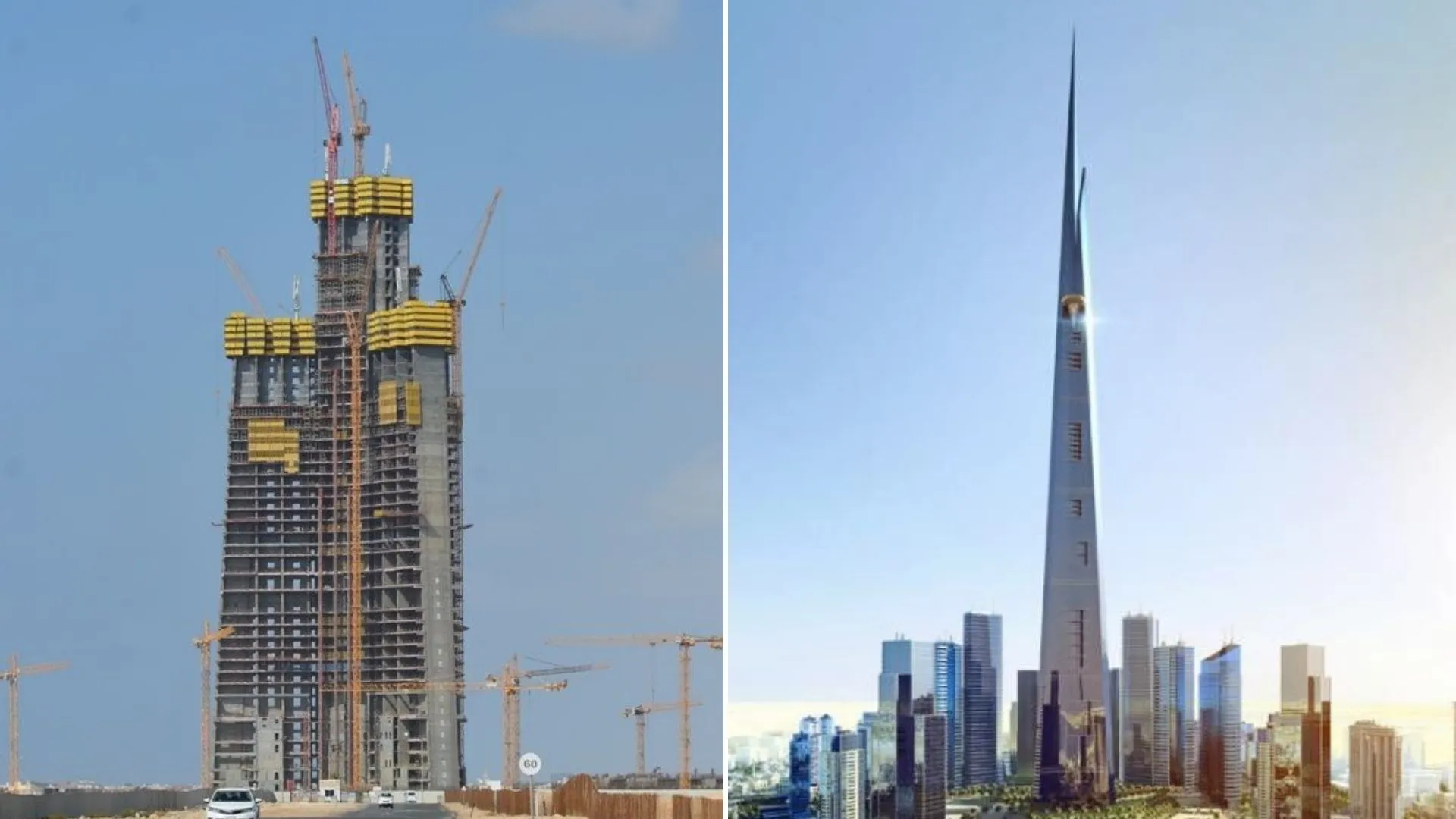
Jeddah Tower, formerly known as the Kingdom Tower, is set to become one of the tallest buildings in the world. Located in Jeddah, Saudi Arabia, this skyscraper represents modern engineering, ambitious design, and the growing skyline of the Middle East. Its construction pushes the limits of architecture, technology, and urban planning.
Historical Background
The idea for the Jeddah Tower emerged as part of Saudi Arabia’s plan to create a new urban development called the Jeddah Economic City. The goal was to design a landmark building that would symbolize progress, innovation, and the country’s growing global influence.
Construction began in 2013 with the aim of surpassing the height of the Burj Khalifa in Dubai. The tower was designed to exceed 1,000 meters (3,281 feet), making it the first building in the world to reach a kilometer in height.
Architectural Design
The Jeddah Tower was designed by the American architectural firm Adrian Smith + Gordon Gill Architecture, known for designing the Burj Khalifa. The tower’s design combines elegance, functionality, and futuristic aesthetics.
1. Shape and Structure
The tower features a sleek, tapered design that reduces wind load and enhances structural stability. Its triangular footprint gradually narrows as it rises, minimizing sway caused by strong winds at high altitudes.
2. Materials and Construction
High-performance concrete forms the core of the building, providing strength and durability. Steel is used for reinforcement, and advanced glass panels cover the exterior to allow natural light while reducing heat gain in the hot climate of Jeddah.
3. Floors and Interior Spaces
The Jeddah Tower will include residential units, office spaces, a hotel, and observation decks. Its mixed-use design creates a vertical city, combining living, working, and leisure spaces in one structure.
4. Observation Deck
The tower’s observation deck, located near the top, is designed to offer panoramic views of the Red Sea, the city of Jeddah, and surrounding landscapes. This feature makes it a major attraction for tourists and visitors.
Engineering and Technological Innovations
Building a skyscraper of this height requires groundbreaking engineering solutions.
-
Wind and Earthquake Resistance: Advanced modeling ensures the tower can withstand strong winds and seismic activity.
-
High-Speed Elevators: Elevators are being designed to travel at high speeds safely and comfortably, covering extreme heights efficiently.
-
Foundation: The tower rests on a deep concrete mat foundation, reinforced with piles driven into the bedrock to support its enormous weight.
-
Sustainability Features: Energy-efficient systems, water-saving technologies, and environmentally friendly materials are integrated to reduce the tower’s ecological impact.
Significance and Impact
The Jeddah Tower is more than a building; it is a symbol of ambition, technological advancement, and economic growth. Once completed, it will:
-
Be the tallest building in the world, surpassing previous records.
-
Serve as a landmark for Jeddah and Saudi Arabia.
-
Inspire future skyscraper designs and architectural innovations.
-
Attract global attention, tourism, and business opportunities.
It represents the country’s vision for modernization and its desire to be recognized as a leader in engineering and urban development.
Challenges and Delays
Constructing a building of such scale comes with significant challenges. Extreme heights require careful planning for safety, structural integrity, and material performance. Economic factors and global events have also caused construction delays, but work continues with international collaboration and expertise.
Future Prospects
Once completed, the Jeddah Tower will redefine what is possible in skyscraper construction. It will join other tall buildings in the Middle East and Asia, demonstrating the region’s ambition in architecture and urban development. The tower will also provide residential, commercial, and recreational spaces, creating a vertical community in the heart of Jeddah.
Conclusion
The Jeddah Tower stands as a bold vision of human achievement and architectural innovation. It combines cutting-edge engineering, advanced materials, and sustainable design to create a skyscraper that reaches for the sky—literally. As it rises toward the clouds, the tower symbolizes ambition, progress, and the limitless possibilities of modern architecture.
Its completion will mark a milestone in building history, inspiring architects, engineers, and urban planners around the world to think bigger, design smarter, and reach higher than ever before.
Read Also: Keep your face towards the sunshine and shadows will fall behind you
Watch Also: https://www.youtube.com/@TravelsofTheWorld24





Leave a Reply