
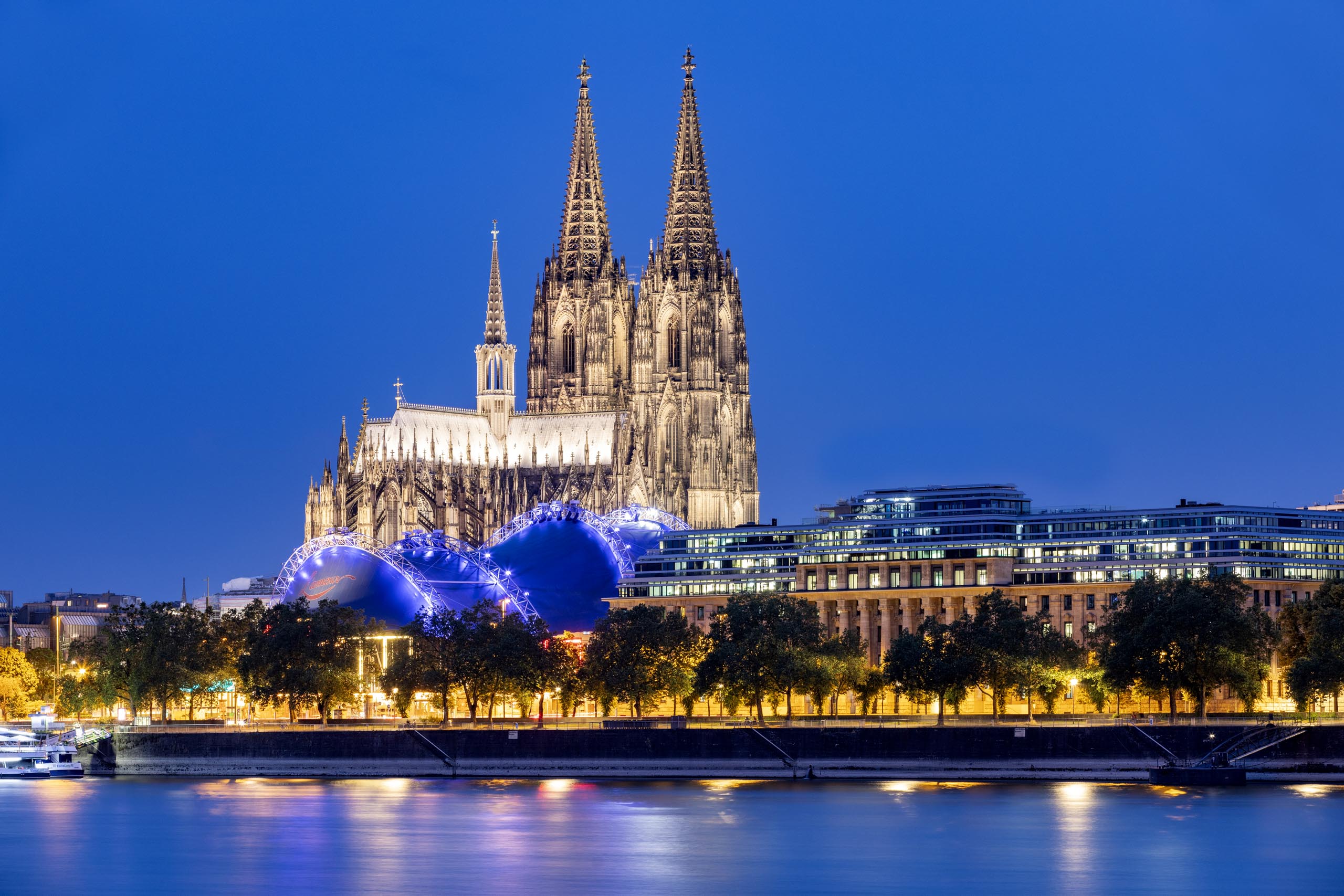
The Cologne Cathedral is one of the most famous and impressive cathedrals in the world. Located in the heart of Cologne, Germany, it is a symbol of faith, art, and history. For centuries, it has amazed visitors with its towering spires, intricate stonework, and magnificent stained glass windows.
Historical Background
Construction of Cologne Cathedral began in 1248, during the High Gothic period. The goal was to create a grand structure worthy of housing the relics of the Three Wise Men, which Archbishop Konrad von Hochstaden brought to Cologne.
Work on the cathedral continued intermittently over several centuries. Political changes, wars, and economic difficulties slowed progress, and construction was eventually halted in the 15th century. The unfinished cathedral stood as a remarkable monument, but it was not fully completed until the 19th century, in 1880, when architects returned to the original Gothic plans.
Architectural Features
Cologne Cathedral is a prime example of Gothic architecture, characterized by verticality, light, and intricate decoration.
1. Spires and Height
The cathedral’s twin spires dominate the city skyline, reaching a height of 157 meters (515 feet). They were the tallest structures in the world upon completion in 1880 and remain among the tallest church towers today. The spires symbolize reaching toward the heavens, a central theme in Gothic design.
2. Exterior Stonework
The cathedral’s exterior is covered with detailed sculptures and carvings, including biblical figures, saints, and scenes from Christian history. Gargoyles, which act as both decoration and water spouts, adorn the building and give it a distinctive Gothic character.
3. Stained Glass Windows
Inside, the cathedral is filled with colorful stained glass windows, many of which date back to the 14th and 15th centuries. These windows depict biblical stories, saints, and events from the life of Jesus Christ. The play of light through the glass creates a spiritual and awe-inspiring atmosphere.
4. Nave and Interior
The central nave is vast, with high pointed arches supported by slender columns. This design allows light to fill the interior while drawing the eyes upward. The choir, altars, and chapels are richly decorated with paintings, sculptures, and gold accents.
Religious and Cultural Significance
Cologne Cathedral is not only an architectural masterpiece but also a major religious center. It serves as the seat of the Archbishop of Cologne and hosts important ceremonies, including pilgrimages, masses, and festivals.
The cathedral also houses the Shrine of the Three Kings, a gold reliquary said to contain the bones of the Magi. This relic attracts thousands of visitors every year, making the cathedral a center of pilgrimage for Christians worldwide.
Surviving Wars and Challenges
Cologne Cathedral has faced numerous challenges throughout history. During World War II, the city of Cologne was heavily bombed, but remarkably, the cathedral survived with relatively minor damage despite nearby destruction. Restoration efforts over the years have preserved its structure, sculptures, and stained glass for future generations.
UNESCO World Heritage Status
In 1996, Cologne Cathedral was designated a UNESCO World Heritage Site. This recognition reflects its exceptional architecture, historical importance, and cultural value. It stands as one of Europe’s greatest Gothic monuments and remains a symbol of the city of Cologne.
Tourism and Modern Day
Today, Cologne Cathedral is one of Germany’s most visited landmarks. Millions of tourists and pilgrims come each year to admire its soaring spires, intricate details, and historical treasures. Visitors can also climb the spires for a panoramic view of Cologne and the Rhine River.
The cathedral continues to inspire architects, historians, and artists worldwide. Its blend of medieval craftsmanship and 19th-century completion illustrates the enduring power of human creativity and faith.
Architectural Legacy
Cologne Cathedral influenced the design of many other churches and cathedrals in Europe. Its Gothic features—verticality, pointed arches, flying buttresses, and detailed ornamentation—remain a reference point for architects and scholars. The building demonstrates how architecture can serve both spiritual and civic purposes, connecting communities across centuries.
Conclusion
Cologne Cathedral stands as a symbol of faith, artistic achievement, and human perseverance. Its centuries-long construction, intricate Gothic design, and historical significance make it a masterpiece of world architecture. Visitors are drawn not only to its beauty but also to its story: a story of dedication, survival, and cultural heritage that continues to inspire people from around the globe.
Read Also: Keep your face towards the sunshine and shadows will fall behind you
Watch Also: https://www.youtube.com/@TravelsofTheWorld24









Leave a Reply