
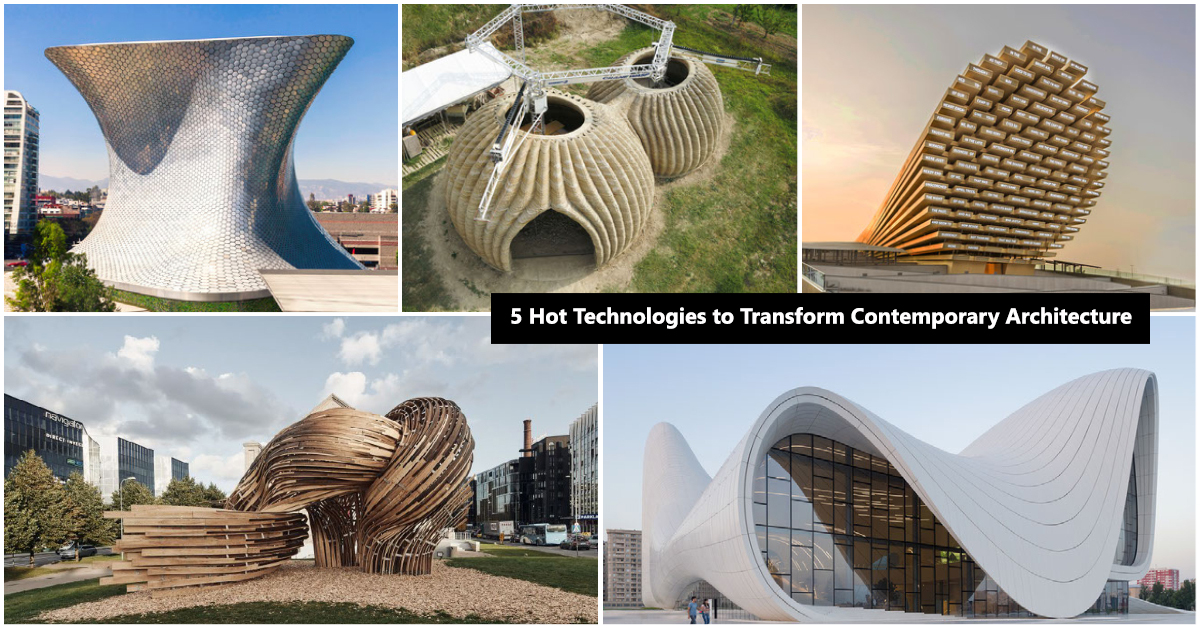
Architecture is changing fast, and technology is at the heart of this transformation. Today’s architects are using innovative tools and materials to create buildings that are smarter, more sustainable, and better suited to human needs. In 2026, five technologies stand out for their ability to reshape contemporary architecture. These innovations are not just trends—they are redefining what buildings can do and how people experience them.
1. Building Information Modeling (BIM)
Building Information Modeling, or BIM, is a digital tool that allows architects, engineers, and contractors to plan, design, and manage buildings in a 3D environment.
Key benefits:
-
Visualization: Designers can see exactly how a building will look before construction begins.
-
Collaboration: Multiple teams can work on the same model, reducing errors and miscommunication.
-
Efficiency: BIM helps identify potential design problems early, saving time and money.
-
Sustainability: Energy use and material efficiency can be analyzed within the model.
BIM is now essential for large-scale projects and urban planning, providing a comprehensive approach to modern construction.
2. 3D Printing in Construction
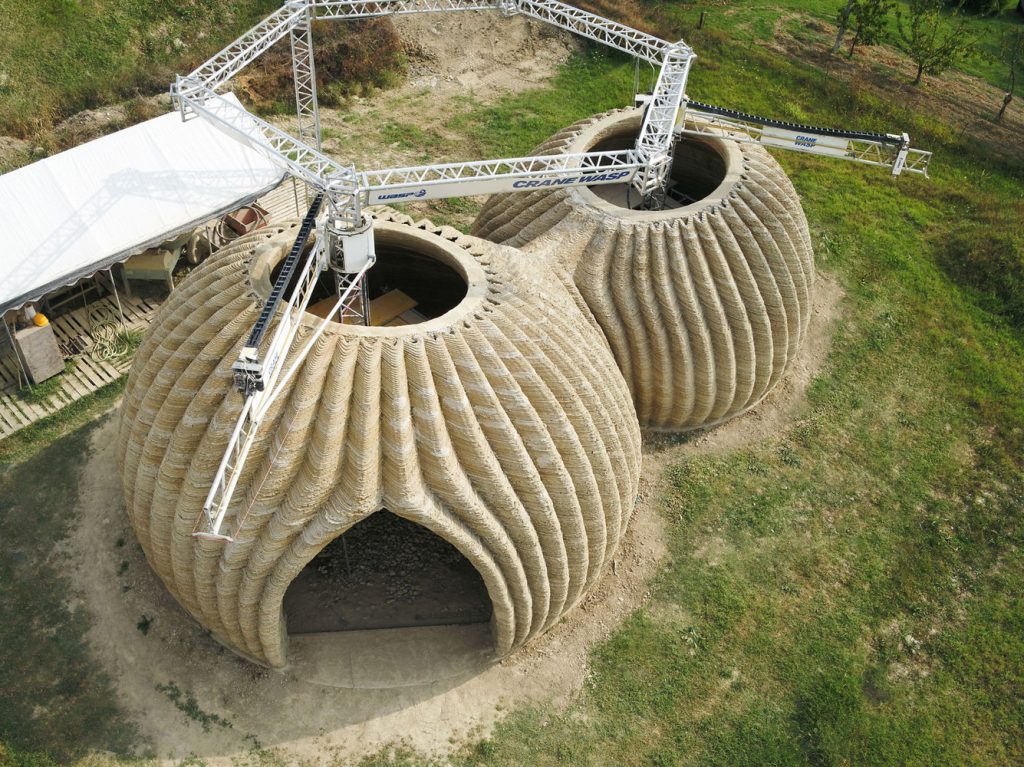
3D printing is moving from small-scale models to full-sized building components. This technology uses specialized concrete or composite materials to “print” walls, facades, and even entire houses.
Advantages:
-
Speed: Structures can be built faster than traditional methods.
-
Customization: Architects can create unique shapes and intricate designs that were difficult to achieve before.
-
Waste Reduction: Materials are used precisely, reducing excess waste.
-
Affordable Housing: 3D printing can make quick, low-cost homes in developing regions.
Some experimental projects have even created multi-story 3D-printed buildings, showing the potential for larger urban applications.
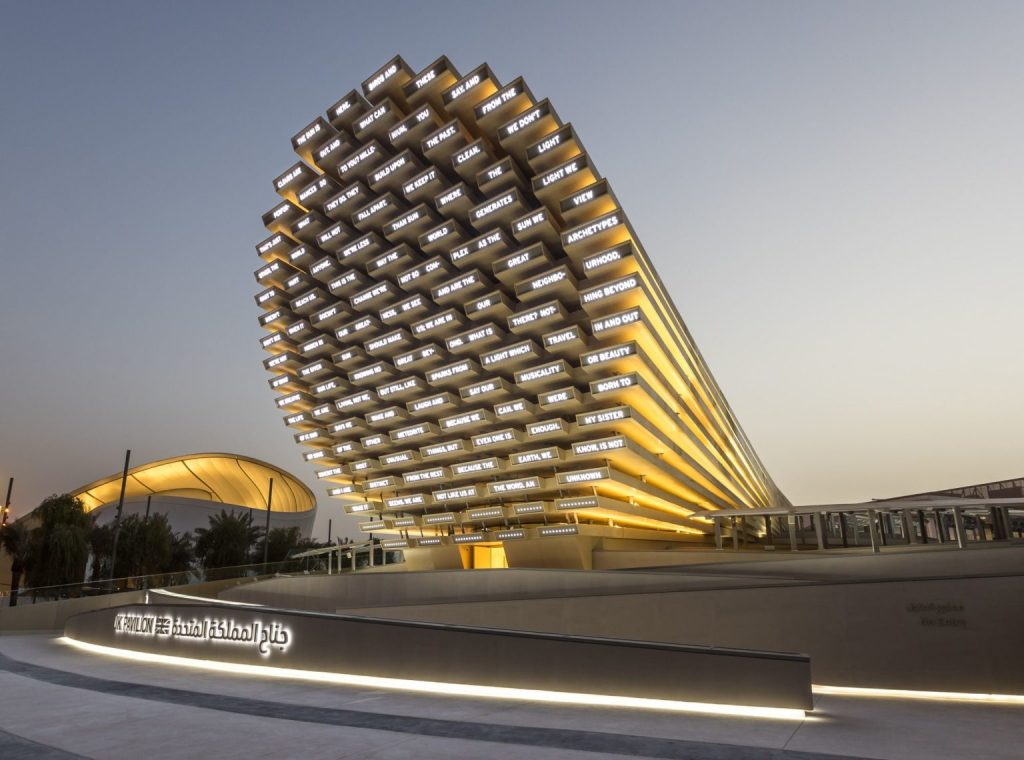
5 Cutting-Edge Technologies Transforming Modern Architecture
3. Smart Building Technologies
Smart buildings use sensors, automation, and artificial intelligence (AI) to optimize building performance.
Key features include:
-
Energy Efficiency: Automated lighting, heating, and cooling reduce energy use.
-
Safety and Security: Smart systems monitor for fires, intrusions, or other hazards.
-
Comfort: AI adjusts temperature, lighting, and ventilation based on occupants’ needs.
-
Data Analysis: Smart buildings collect information to improve future designs.
These technologies make buildings more responsive and sustainable, improving both functionality and user experience.
4. Sustainable and Advanced Materials
New materials are transforming the way architects think about design and construction. These materials are often stronger, lighter, or more environmentally friendly than traditional options.
Examples:
-
Self-healing concrete: Repairs small cracks automatically, extending building life.
-
Transparent aluminum or high-performance glass: Combines strength with light transmission for facades.
-
Bio-based materials: Bamboo, recycled plastics, and composites reduce environmental impact.
-
Phase-change materials: Help regulate indoor temperatures by storing and releasing heat.
These materials allow for more creative and resilient designs while reducing the carbon footprint of buildings.
5. Virtual Reality (VR) and Augmented Reality (AR)
VR and AR are revolutionizing design, presentation, and construction processes.
Applications:
-
Design Visualization: Clients can walk through a virtual model before construction begins.
-
Collaboration: Teams in different locations can review and modify designs in real-time.
-
Construction Assistance: AR overlays instructions and measurements directly onto building sites.
-
Marketing: Developers can showcase properties interactively to potential buyers.
These technologies make it easier to communicate ideas, detect design errors, and improve decision-making throughout the project.
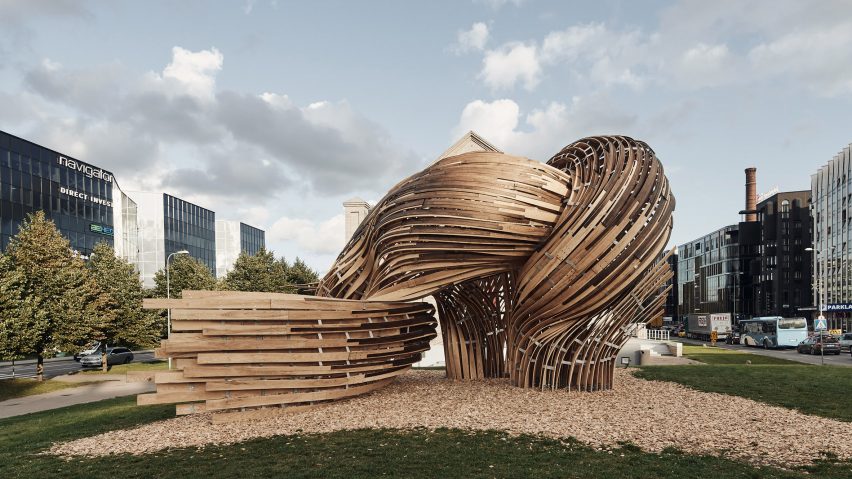
5 Cutting-Edge Technologies Transforming Modern Architecture
How These Technologies Work Together
While each technology is powerful on its own, combining them produces even greater results. For example:
-
BIM + VR/AR: Visualize a fully detailed 3D building and explore it virtually.
-
Smart Buildings + Advanced Materials: Use AI to optimize energy use with self-healing and temperature-regulating materials.
-
3D Printing + Sustainable Materials: Build customized structures quickly with environmentally friendly components.
The integration of multiple technologies enables architects to create buildings that are more efficient, adaptable, and sustainable than ever before.
Impact on Contemporary Architecture
These five technologies are reshaping how architects work and how buildings function:
-
Faster Construction: 3D printing and modular design reduce project timelines.
-
Better Sustainability: Smart systems and eco-friendly materials lower energy consumption and waste.
-
Improved User Experience: Buildings respond dynamically to occupants’ needs.
-
Greater Design Freedom: Advanced materials and digital modeling allow more complex forms.
-
Global Collaboration: VR, AR, and BIM enable teams worldwide to contribute seamlessly.
In short, technology is turning architecture from a static art into a dynamic, adaptable system.
Challenges and Considerations
Despite the benefits, there are challenges to adopting these technologies:
-
Cost: Initial investments in 3D printers, sensors, and software can be high.
-
Training: Architects and builders need new skills to use these tools effectively.
-
Standardization: Some technologies, like 3D-printed materials, still lack widespread building codes.
-
Maintenance: Smart buildings require ongoing monitoring and updates to remain effective.
Addressing these challenges is key to maximizing the potential of technology in architecture.
5 Cutting-Edge Technologies Transforming Modern Architecture
Conclusion
The architecture of the future is being shaped by technology. BIM, 3D printing, smart systems, advanced materials, and VR/AR are transforming how buildings are designed, constructed, and experienced. These tools allow architects to create spaces that are sustainable, flexible, and responsive, meeting the needs of both people and the planet.
As these technologies continue to develop, contemporary architecture will increasingly be defined not just by how it looks, but by how it works, adapts, and interacts with its environment. Purpose, innovation, and technology together are creating a new era of design that is smarter, greener, and more human-centered.
Read Also: Keep your face towards the sunshine and shadows will fall behind you
Watch Also: https://www.youtube.com/@TravelsofTheWorld24







Leave a Reply