
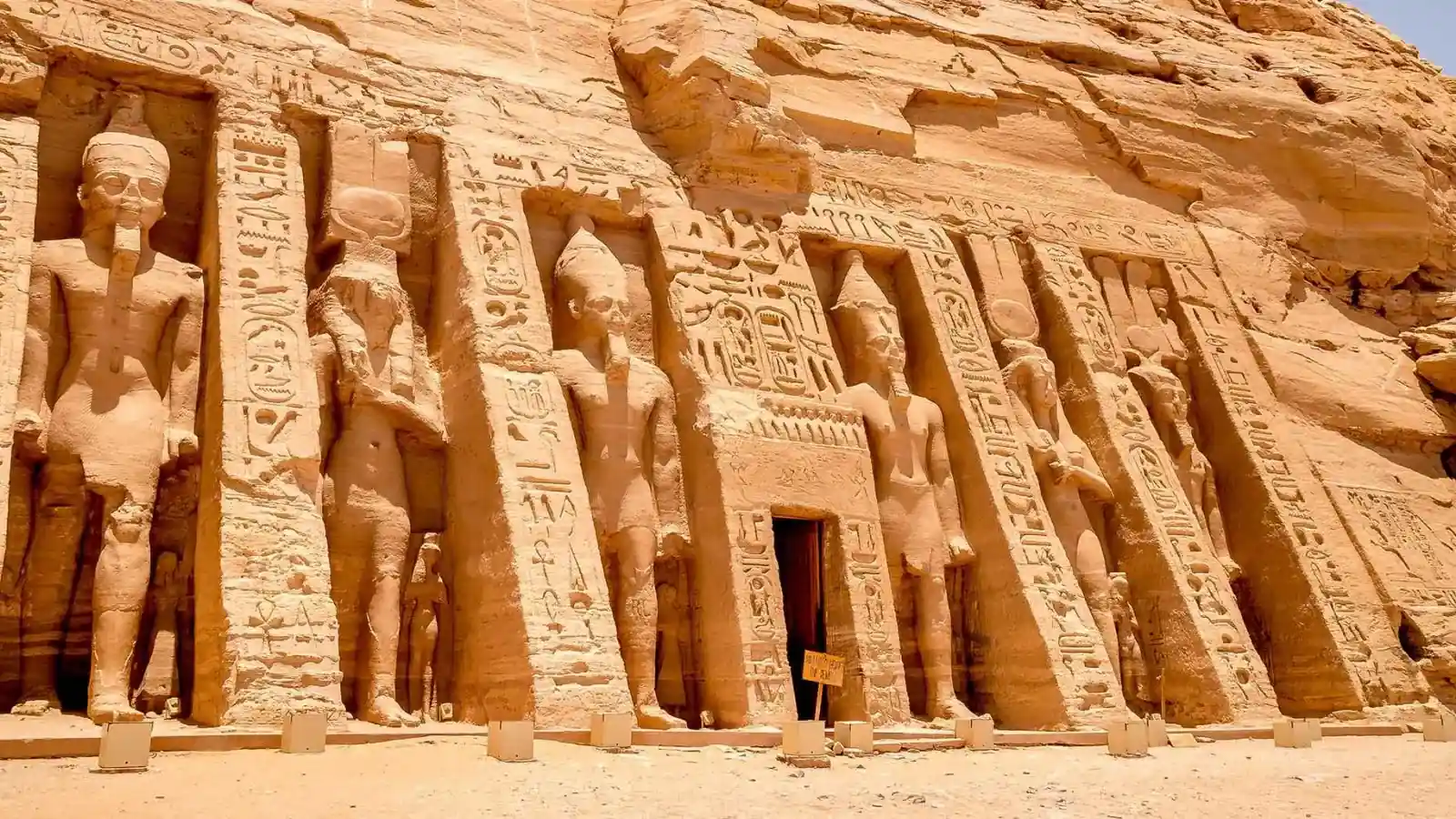
Fifty years ago, Egypt faced one of the greatest challenges in preserving its ancient heritage. Rising waters from the Nile threatened to submerge some of the world’s most iconic monuments—timeless symbols of one of history’s greatest civilizations. Towering statues, intricately carved temples, and sacred shrines, which had stood for millennia, suddenly faced destruction. The threat was not only natural but largely the result of human progress. The construction of the Aswan High Dam in the 20th century, designed to control flooding, improve irrigation, and generate electricity, created a massive reservoir called Lake Nasser, which put many ancient sites at risk.
The Rising Waters and the Risk to History
As Lake Nasser’s waters began to rise, numerous historic sites along the Nile were in danger of being lost forever. Among the most famous and endangered were the temples of Abu Simbel and Philae Temple. These temples were not only architectural masterpieces but also centers of religious and cultural significance. Abu Simbel, carved into sandstone cliffs during the reign of Ramses II, contained colossal statues and a carefully aligned inner sanctuary illuminated by the sun twice a year. Philae Temple, dedicated to the goddess Isis, sat on an island and was a key pilgrimage site in ancient times.
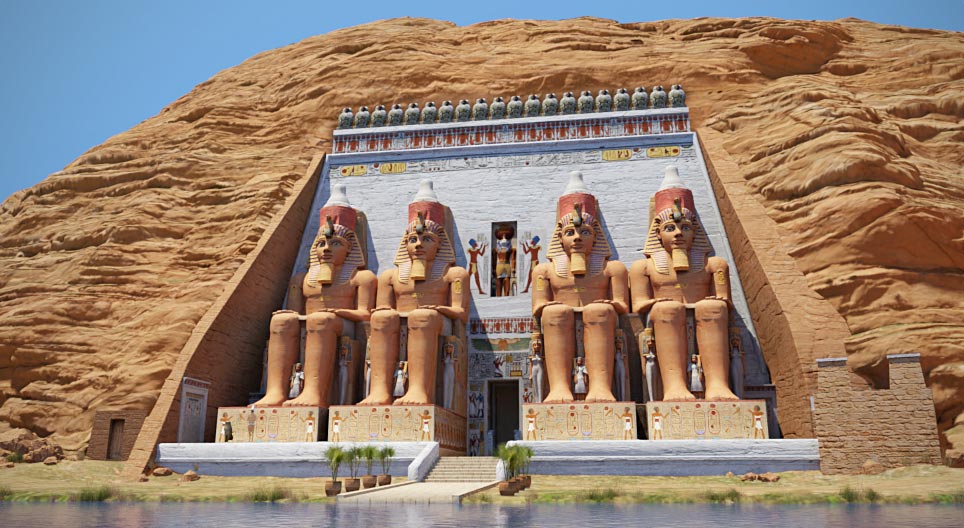
The Great Nile Rescue: Preserving Egypt’s Ancient Monuments
The threat posed by Lake Nasser sparked an unprecedented global effort to save these treasures. UNESCO, the United Nations organization dedicated to education, science, and culture, coordinated the international rescue project, bringing together engineers, archaeologists, architects, and laborers from around the world.
Planning the Monumental Rescue
Saving the temples required meticulous planning. Experts documented every detail, measuring and photographing walls, columns, statues, and reliefs. This process ensured that each part of the monuments could be reconstructed exactly as it had stood for thousands of years.
The temples were cut into massive blocks, each carefully numbered to preserve their placement. Abu Simbel alone was divided into blocks weighing up to 30 tons. These blocks were then carefully lifted, transported, and reassembled on higher ground, preserving not only the structural integrity but also the original celestial alignment. Philae Temple underwent a similar process, moved to Agilkia Island to protect it from submersion.
The operation combined ancient wisdom with modern engineering. Cranes, trucks, and specially designed platforms were used to move the stones without damaging delicate carvings. Precision and care were paramount—any misstep could have resulted in irreversible damage.
Triumphs and Losses
Despite the successful relocation of major monuments, not all sites were saved. Dozens of lesser-known temples, tombs, and artifacts were permanently submerged beneath Lake Nasser, becoming hidden chapters of human history. These losses reminded the world of the fragility of cultural heritage and the urgency of preservation.
The rescue project demonstrated the power of international collaboration. Experts from countries including Italy, Germany, Japan, and the United States worked alongside Egyptians to protect a shared human legacy. It also highlighted the importance of careful planning in balancing modern development with historical preservation.
The Cultural and Historical Significance
The temples of Abu Simbel and Philae are not just architectural marvels—they are storytelling machines, illustrating the beliefs, achievements, and daily life of ancient Egyptians. Walls are adorned with hieroglyphs depicting gods, pharaohs, rituals, battles, and festivals. Colossal statues emphasize the grandeur of rulers like Ramses II, while smaller carvings reflect social and religious practices of ordinary people.
Preserving these temples allows modern society to understand the complexities of ancient Egyptian civilization. They continue to inspire archaeologists, historians, tourists, and architects worldwide.
Global Awareness and Lessons Learned
The Nile rescue project sparked global awareness about the importance of cultural preservation. It demonstrated that human ambition, whether in the form of infrastructure projects or urban development, can have unintended consequences for heritage. At the same time, it showed that with planning, technology, and international cooperation, it is possible to save history even under extraordinary circumstances.
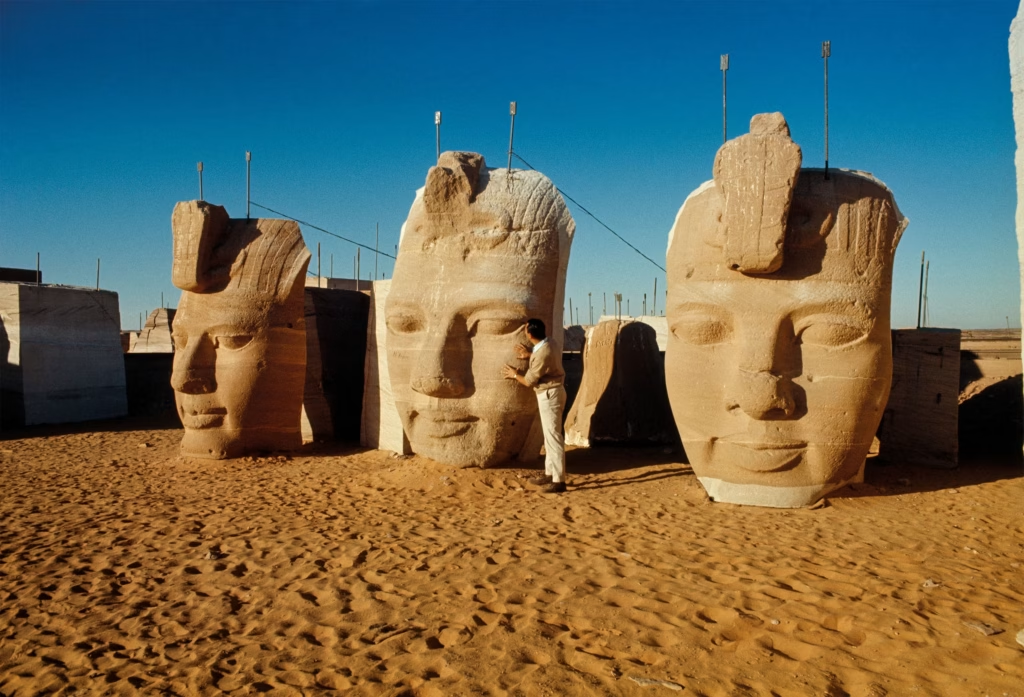
The Great Nile Rescue: Preserving Egypt’s Ancient Monuments
Key lessons include:
-
Documentation is Essential: Accurate records are vital before any reconstruction or relocation.
-
International Collaboration Works: Pooling global expertise can achieve what no single nation could alone.
-
Engineering and Archaeology Can Unite: Modern technology can protect and preserve ancient craftsmanship.
-
Cultural Heritage is Fragile: Even the most enduring monuments are vulnerable to environmental and human-made changes.
Legacy of the Rescue
Today, visitors from all over the world continue to marvel at the temples of Abu Simbel and Philae. They stand as a testament to human creativity, devotion, and resilience, both ancient and modern. The successful relocation has become a model for preserving endangered monuments globally, proving that with determination and ingenuity, humanity can safeguard its cultural legacy for future generations.
The project also reminds us that history is not static. It requires care, attention, and proactive measures to ensure that the stories, art, and knowledge of the past remain accessible and inspiring.
Conclusion
The rescue of Egypt’s ancient temples from the rising waters of the Nile remains one of the most extraordinary achievements in the history of cultural preservation. Fifty years later, Abu Simbel, Philae, and other relocated sites continue to tell their stories, offering insight into ancient Egyptian religion, politics, and art. The operation demonstrated that preserving history is possible, even in the face of natural and human-made threats, and it continues to inspire global efforts to protect cultural heritage around the world.
By saving these monuments, humanity not only preserved stone and sculpture but also maintained a tangible connection to the achievements and beliefs of one of history’s greatest civilizations.
Read Also: Keep your face towards the sunshine and shadows will fall behind you
Watch Also: https://www.youtube.com/@TravelsofTheWorld24













Leave a Reply