
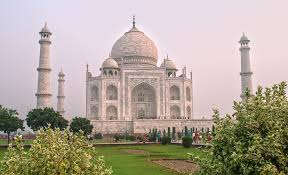
Ancient monumental architecture refers to the massive and impressive structures built by early civilizations. These buildings were not ordinary homes or simple shelters. They were designed to last for centuries and to show power, faith, wealth, or cultural importance. Even today, many of these monuments still stand, reminding us of the skills and beliefs of ancient people.
From pyramids and temples to palaces and giant statues, monumental architecture can be found in many parts of the world. Civilizations in Egypt, Mesopotamia, India, China, Greece, Rome, and the Americas all created grand structures that shaped history.
Built to Impress and Inspire
One of the main characteristics of monumental architecture is its ability to impress. These structures were often built on a huge scale to make people feel small in comparison. The size itself was a message — showing the power of rulers, the greatness of gods, or the strength of a civilization.
For example, the Great Pyramid of Giza is so massive that it remained the tallest man-made structure in the world for thousands of years. Its sheer size demonstrates the authority of the pharaoh and the advanced engineering of ancient Egypt.
Similarly, temples and palaces were designed to create awe and respect among visitors.
Religious and Spiritual Purpose
Many ancient monuments were built for religious reasons. People believed that gods controlled nature and human life, so they constructed temples, shrines, and sacred spaces to honor them.
In ancient Greece, temples like the Parthenon were dedicated to specific deities. In Egypt, pyramids served as tombs for pharaohs, who were considered divine.
These structures were not just places of worship — they were believed to connect the human world with the spiritual world.
Use of Durable Materials
Ancient builders chose materials that could last a very long time. Stone was the most common choice because it is strong and resistant to weather. Some civilizations also used baked bricks, especially in areas where stone was scarce.
Transporting heavy materials without modern machines was extremely difficult. Workers used sledges, ramps, rollers, and human or animal power to move large blocks.
The durability of these materials explains why many monuments still exist today.
Skilled Engineering and Construction
Despite having simple tools, ancient builders achieved remarkable precision. Large stones were cut to fit tightly together, sometimes without any mortar.
The construction of pyramids, temples, and massive walls required careful planning, organization, and knowledge of mathematics. Workers had to coordinate lifting, positioning, and balancing heavy materials.
An excellent example of engineering skill is the Great Wall of China, which stretches thousands of kilometers across mountains and deserts.
Symmetry and Order
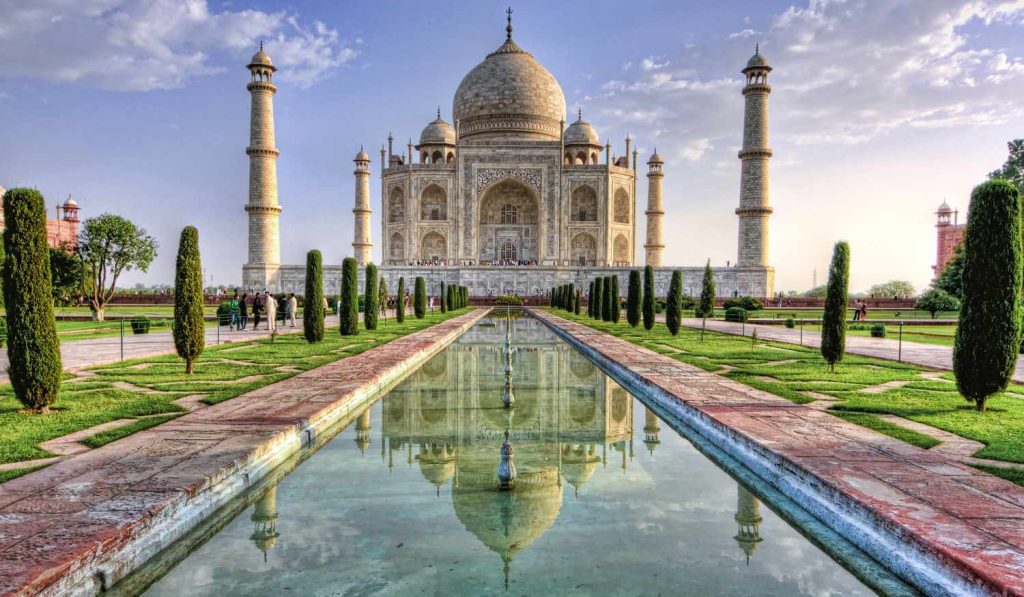
Symmetry is another key feature of monumental architecture. Many structures were designed so that both sides mirror each other perfectly. This created a sense of harmony and balance.
Ancient cultures often believed that order in architecture reflected order in the universe. Straight lines, aligned pathways, and carefully measured proportions were common.
In some cases, buildings were aligned with celestial events such as sunrise on certain days of the year.
Monumental Scale and Mass
The word “monumental” itself refers to size and permanence. These structures were much larger than everyday buildings.
Massive columns, thick walls, wide courtyards, and towering gateways made the architecture feel powerful and enduring. Large public spaces also allowed crowds to gather for ceremonies or celebrations.
Decorative Art and Symbolism
Although monumental buildings were massive, they were often richly decorated. Sculptures, carvings, paintings, and reliefs covered walls and columns.
These decorations were not just for beauty — they told stories about rulers, battles, myths, or religious beliefs. Symbols helped communicate ideas to people who could not read.
For instance, Egyptian temples featured carvings of gods, pharaohs, and hieroglyphs describing important events.
Connection to Political Power
Monumental architecture often served political purposes. Rulers used grand structures to display authority and control.
Palaces, administrative buildings, and triumphal arches celebrated victories and reinforced the ruler’s image. Large projects also demonstrated the ability to organize labor and resources.
The Colosseum in ancient Rome, for example, showcased the empire’s wealth and ability to entertain huge crowds.
Strategic Location
Many monuments were built in prominent locations — on hills, near rivers, or at the center of cities. Elevated positions made structures visible from far away and symbolized dominance over the landscape.
Rivers provided transportation routes for materials and workers. Central locations allowed easy access for ceremonies and gatherings.
Long Construction Periods
Building monumental structures often took many years or even generations. Large workforces were organized to quarry stone, transport materials, and assemble the structures.
These projects required strong leadership and planning. Sometimes construction continued under multiple rulers until completion.
Labor Organization
Monumental architecture required thousands of workers, including skilled craftsmen, engineers, laborers, and supervisors. Contrary to popular belief, not all workers were slaves. In some societies, laborers were paid or worked as part of national service.
Providing food, shelter, and tools for such large groups was a major logistical challenge.
Cultural Identity and Legacy
Monuments often represented the identity of a civilization. They showed what people valued — religion, power, knowledge, or artistic achievement.
Even after the original builders were gone, these structures continued to influence later cultures. They became symbols of national pride and historical continuity.
Adaptation to Environment
Ancient builders designed structures suited to their local climate and geography. Thick stone walls helped keep interiors cool in hot regions. Sloped roofs allowed rainwater to run off in wet climates.
Materials were usually sourced locally, which influenced the appearance of buildings in different regions.
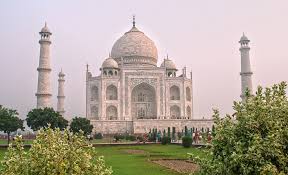
The Secrets Behind Ancient Monumental Buildings and Monuments
Integration of Art and Architecture
In many ancient cultures, architecture and art were inseparable. Sculptures were part of the building itself rather than separate decorations.
Statues of gods or rulers often stood at entrances or within courtyards, reinforcing the building’s purpose.
Defensive Features
Some monumental structures served military purposes. Massive walls, towers, and gates protected cities from attack.
Fortified architecture demonstrated strength and deterred enemies. Defensive features were especially important in regions with frequent conflicts.
Astronomical Alignment
Certain monuments were aligned with the sun, moon, or stars. This suggests that ancient people had advanced knowledge of astronomy.
Alignments may have been used for religious rituals, calendars, or agricultural planning.
Enduring Influence
Ancient monumental architecture continues to inspire modern design. Government buildings, memorials, and cultural centers often borrow elements such as grand entrances, columns, and symmetrical layouts.
These features convey authority, dignity, and permanence.
Conclusion
Ancient monumental architecture represents the creativity, ambition, and beliefs of early civilizations. Built with durable materials and enormous effort, these structures were designed to last far beyond the lifetimes of their builders. They served religious, political, social, and defensive purposes while expressing cultural identity.
From pyramids and temples to walls and amphitheaters, these monuments remain powerful symbols of human achievement. They remind us that even without modern technology, ancient societies were capable of extraordinary engineering and artistic accomplishments.
Today, studying these structures helps us understand the past and appreciate the foundations of architecture that continue to shape our world.
Read Also: Keep your face towards the sunshine and shadows will fall behind you
Watch Also: https://www.youtube.com/@TravelsofTheWorld24






Leave a Reply