
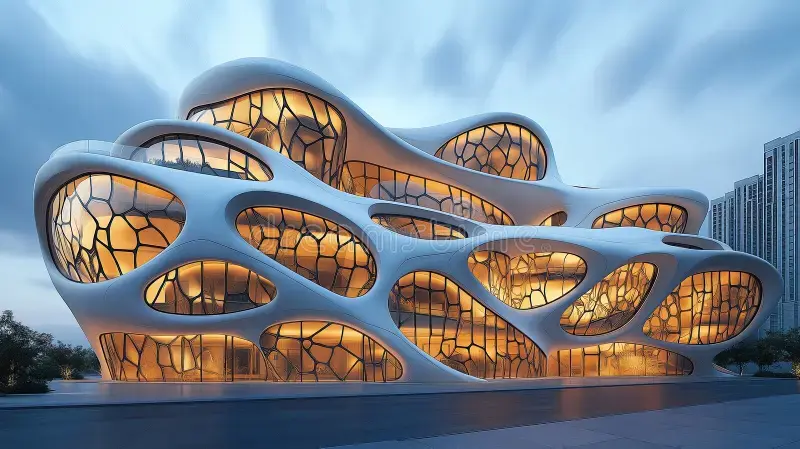
Architecture is always changing as people’s needs, technology, and lifestyles evolve. In 2026, buildings are becoming smarter, greener, and more human-focused than ever before. Architects are not just designing beautiful structures — they are creating spaces that improve health, save energy, and adapt to the future.
From eco-friendly homes to high-tech cities, the trends shaping architecture in 2026 show how design is responding to climate change, urban growth, and modern living. Here are the most important architectural design trends to watch this year.
Sustainable and Eco-Friendly Design
Sustainability is no longer optional — it is essential. Buildings use a huge amount of energy and resources, so architects are focusing on designs that reduce environmental impact.
Green buildings now include features such as:
-
Solar panels for clean energy
-
Rainwater collection systems
-
Natural ventilation instead of heavy air conditioning
-
Energy-efficient lighting and appliances
-
Recycled or low-impact materials
Many new projects aim to produce as much energy as they consume, sometimes called “net-zero” buildings. This helps reduce pollution and lowers long-term costs for owners.
Biophilic Design (Bringing Nature Inside)
Biophilic design is becoming one of the most popular trends. It focuses on connecting people with nature through architecture.
Buildings now include:
-
Indoor plants and living walls
-
Natural materials like wood and stone
-
Large windows for sunlight
-
Courtyards and gardens
-
Water features
Studies show that contact with nature improves mood, productivity, and overall health. As cities grow more crowded, bringing nature indoors becomes increasingly important.
Smart Homes and Intelligent Buildings
Technology is transforming how buildings function. Smart systems can control lighting, temperature, security, and appliances automatically.
In 2026, many homes and offices use sensors and artificial intelligence to adjust settings based on people’s habits. For example, lights may turn off when no one is in the room, and heating systems may adjust depending on weather conditions.
Smart buildings also improve safety with advanced monitoring systems and emergency alerts.
Flexible and Multi-Purpose Spaces
Modern life is less predictable than before. People work from home, study online, and need spaces that can change quickly.
Architects are designing flexible rooms that can serve multiple purposes. A living room may become a workspace during the day and a relaxing area at night. Sliding walls, movable furniture, and modular layouts make this possible.
This trend is especially important in cities where homes are smaller and space is expensive.
Modular and Prefabricated Construction
Prefabrication means building parts of a structure in a factory and then assembling them on site. This method saves time, reduces waste, and lowers costs.
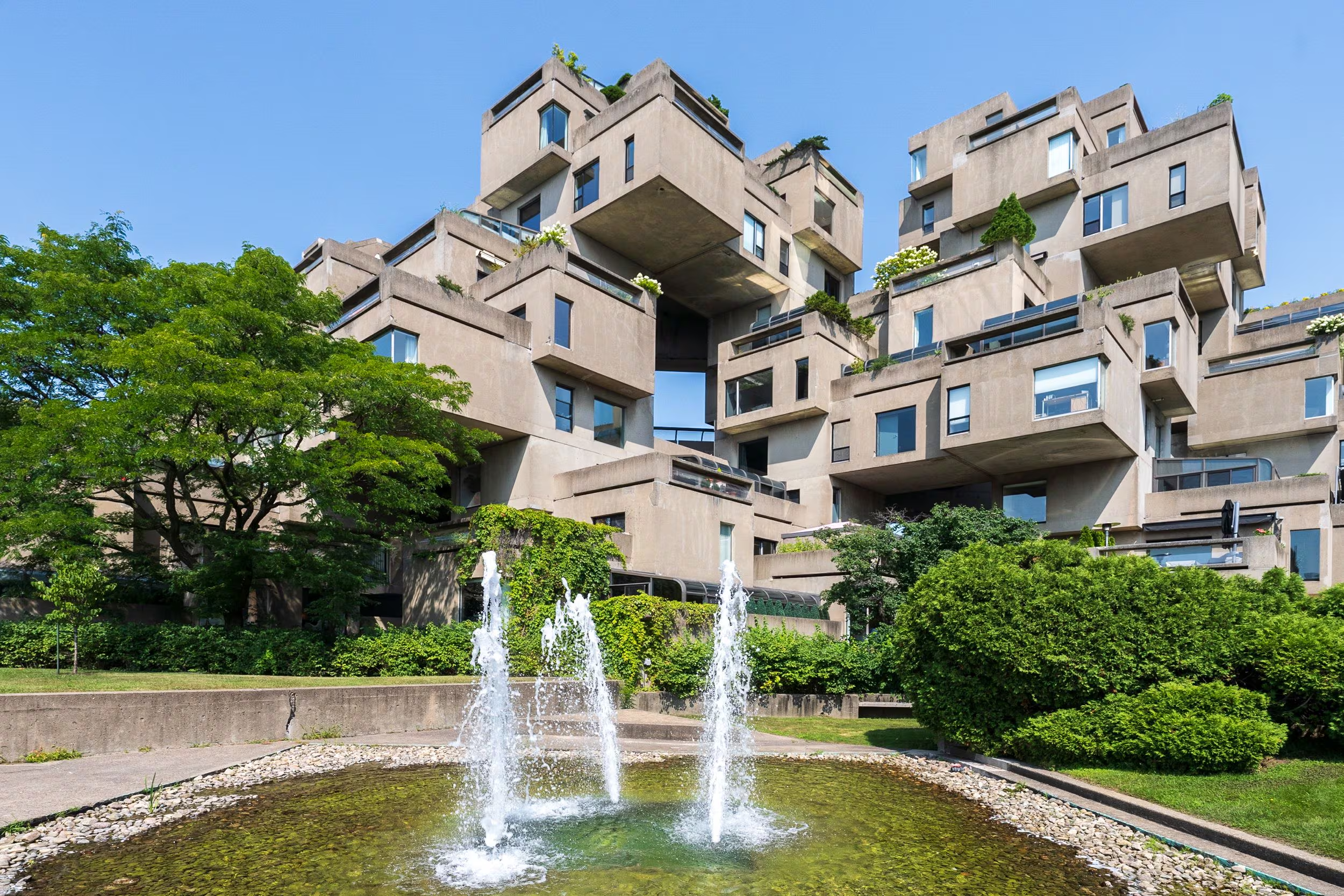
Modular homes can be built quickly and with high precision. Some projects even stack pre-made units like building blocks.
As housing demand increases worldwide, prefabricated construction is becoming a practical solution for fast, affordable development.
Minimalist and Clean Aesthetics
Simple designs continue to dominate modern architecture. Clean lines, open spaces, and neutral colors create a calm and uncluttered atmosphere.
Minimalism focuses on quality rather than quantity. Instead of many decorative elements, architects use a few carefully chosen materials and shapes to create beauty.
Large windows, flat roofs, and smooth surfaces are common features of this style.
Adaptive Reuse of Old Buildings
Rather than demolishing older structures, architects are transforming them into new spaces. Old factories may become apartments, warehouses may turn into offices, and historic buildings may be converted into hotels or museums.
Adaptive reuse preserves cultural heritage while reducing construction waste. It also gives cities character by blending past and present.
Climate-Resilient Design
As extreme weather events become more frequent, buildings must be designed to withstand floods, heat waves, storms, and earthquakes.
Climate-resilient features include:
-
Elevated structures in flood-prone areas
-
Strong materials for storm resistance
-
Heat-reflective surfaces
-
Improved insulation
-
Backup energy systems
Architects are planning not just for today’s conditions but for future climate challenges as well.
High-Rise Living and Vertical Cities
Urban populations continue to grow, especially in large cities. To save land, architects are building upward instead of outward.
Modern skyscrapers are not just office towers. Many include homes, shops, parks, schools, and entertainment spaces in one building, creating vertical communities.
A famous example of mixed-use vertical design is Marina Bay Sands, which combines hotels, shopping, and public spaces in a single complex.
3D-Printed Buildings
3D printing technology is entering the construction world. Large machines can print walls and structural parts using special concrete mixtures.
This method reduces labor, speeds up construction, and allows unique shapes that would be difficult to build by hand.
In some regions, entire houses have already been printed in a matter of days.
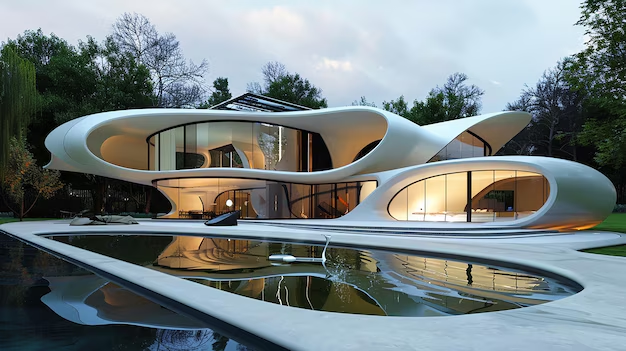
Architecture in 2026: The Future of Smart, Green, and Flexible Design
Focus on Health and Well-Being
After global health crises in recent years, architects are paying more attention to how buildings affect physical and mental health.
Healthy design features include:
-
Better air filtration systems
-
Access to natural light
-
Outdoor spaces like balconies and terraces
-
Quiet areas for relaxation
-
Touch-free technology
Hospitals, schools, and offices are especially adopting these ideas to create safer environments.
Local Materials and Cultural Identity
Globalization once made cities look similar everywhere, but now there is a renewed interest in local identity. Architects are using regional materials, traditional techniques, and cultural influences.
This approach supports local economies and creates buildings that feel connected to their surroundings.
For example, in hot climates, thick walls and shaded courtyards help keep interiors cool without excessive energy use.
Net-Zero and Energy-Positive Buildings
Net-zero buildings produce as much energy as they consume. Energy-positive buildings go even further by generating extra power that can be supplied back to the grid.
These structures rely on renewable energy sources, efficient insulation, and smart energy management systems.
As governments introduce stricter environmental regulations, this trend is expected to grow rapidly.
Transparent and Open Designs
Glass remains a popular material because it allows natural light and creates a sense of openness. Modern glass technology improves insulation and safety, making large transparent walls more practical.
Open designs also encourage social interaction and collaboration, especially in offices and public buildings.
Mixed-Use Developments
Instead of separating residential, commercial, and recreational areas, many projects now combine them. Mixed-use developments reduce travel time and create lively communities.
People can live, work, shop, and relax within the same neighborhood — or even the same building.
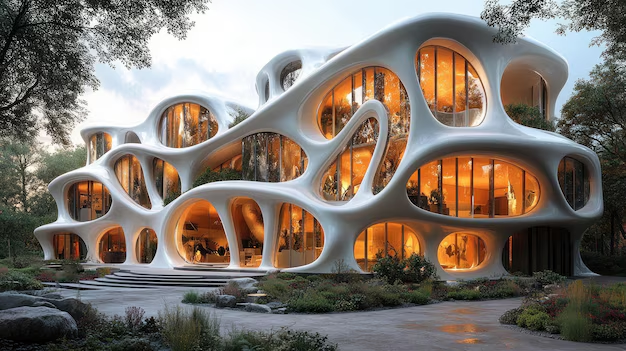 Iconic Landmark Architecture
Cities continue to invest in signature buildings that attract tourism and global attention. These structures often feature bold shapes and innovative engineering.
One famous example is Burj Khalifa, the tallest building in the world. Such landmarks symbolize economic growth and national pride.
Artificial Intelligence in Design
AI tools are helping architects create more efficient designs. Software can analyze sunlight, wind patterns, energy use, and structural performance before construction even begins.
This allows better decision-making and reduces costly mistakes.
AI can also generate multiple design options quickly, giving architects new creative possibilities.
Water-Sensitive Urban Design
In many regions, water scarcity or flooding is a major concern. Modern planning includes systems to manage water responsibly.
Examples include:
-
Permeable surfaces that absorb rain
-
Green roofs that reduce runoff
-
Urban wetlands
-
Water recycling systems
These strategies help cities adapt to changing weather patterns.
Conclusion
Architectural design in 2026 reflects a world facing new challenges and opportunities. Sustainability, technology, health, and flexibility are shaping how buildings are created and used. From smart homes and green materials to vertical cities and adaptive reuse, the focus is on improving both human life and the environment.
As these trends continue to evolve, architecture will play a crucial role in shaping the future of cities and communities. Buildings are no longer just shelters — they are dynamic systems designed to support a better, smarter, and more sustainable way of living.
Read Also: Keep your face towards the sunshine and shadows will fall behind you
Watch Also: https://www.youtube.com/@TravelsofTheWorld24






Leave a Reply