
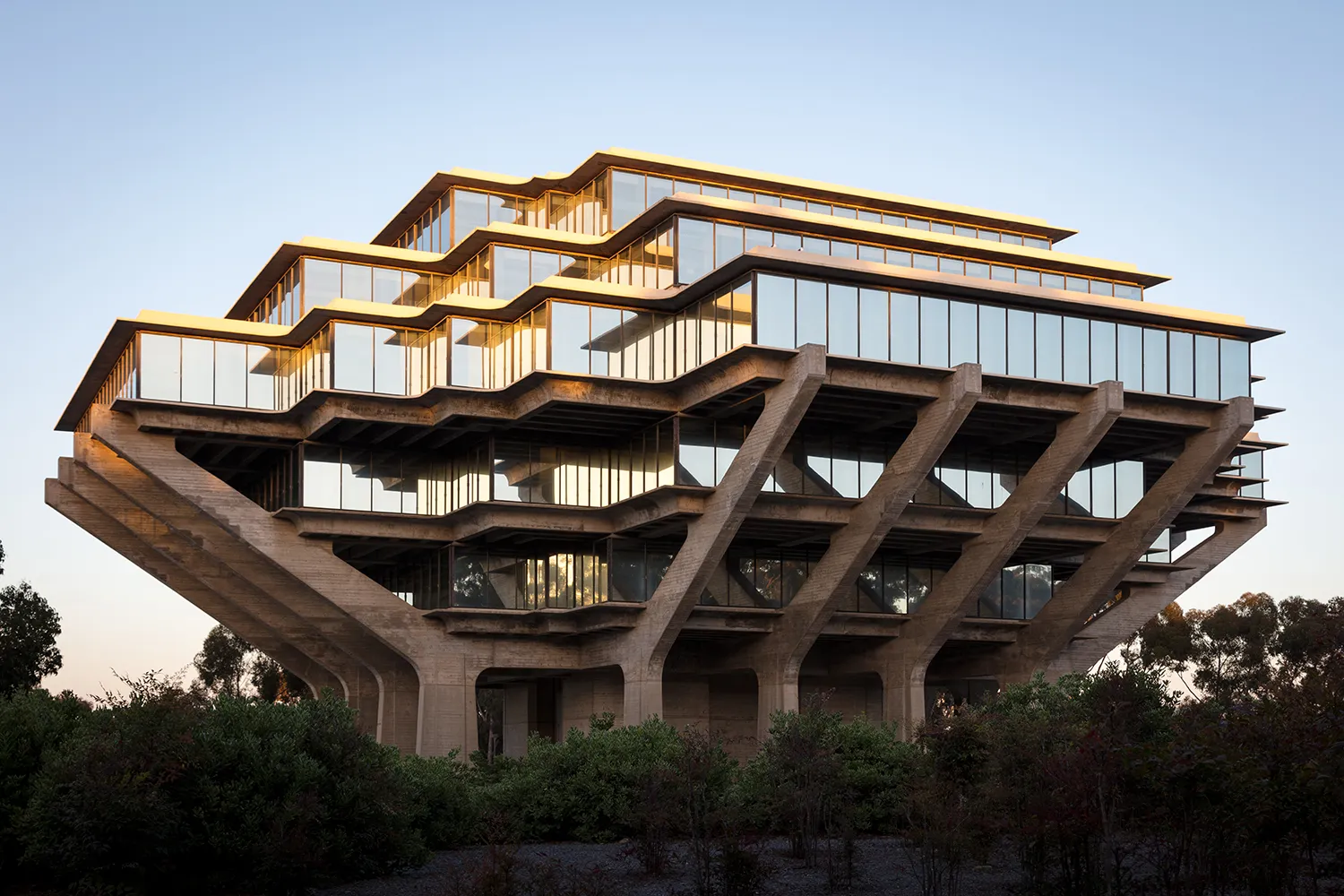
Brutalist architecture is one of the most bold and controversial building styles of the modern world. Some people love it for its strength and honesty, while others feel it looks cold or heavy. You can easily recognize Brutalist buildings because they often use raw concrete, simple shapes, and very little decoration.
The word “Brutalist” may sound like it comes from “brutal,” meaning harsh or violent. But actually, the name comes from a French phrase meaning “raw concrete.” This style focuses on showing materials exactly as they are, without trying to hide or beautify them.
Brutalist architecture became popular in the mid-20th century, especially after World War II, when many countries needed to rebuild cities quickly and affordably. Over time, it spread across Europe, America, Asia, and many other parts of the world.
Origins of Brutalism
Brutalism began mainly in the 1950s and 1960s. After the war, cities had destroyed homes, schools, and public buildings. Governments needed structures that were strong, cheap, and fast to build. Concrete was the perfect solution.
Architects wanted a style that was honest and practical. Instead of copying old decorative styles, they chose simple designs that showed how buildings were actually made.
One major influence was the famous Swiss-French architect Le Corbusier. His ideas about modern living and functional design inspired many Brutalist buildings. His housing project called Unité d’Habitation in France is often seen as an early example of the style.
Why Raw Concrete Was Important
Concrete is the heart of Brutalist architecture. Builders poured liquid concrete into molds, where it hardened into solid walls. Instead of covering the surface with paint or tiles, Brutalist architects left it exposed.
This raw concrete surface often shows the texture of the wooden boards used to shape it. Some people find this rough look powerful and honest, while others think it appears unfinished.
Concrete also allowed architects to create unusual shapes that were difficult with traditional stone or brick.
Key Features of Brutalist Buildings
Brutalist architecture has several clear characteristics that make it easy to recognize.
Massive, Heavy Appearance
These buildings often look large and solid, almost like fortresses. Thick walls and bold forms give a feeling of strength and permanence.
Simple Geometric Shapes
Brutalist designs use basic shapes such as rectangles, cubes, and blocks. Complex curves or decorative details are rare.
Exposed Structure
Instead of hiding beams, supports, or pipes, Brutalist architecture often displays them openly. This reflects the idea that a building should show how it works.
Repetition of Elements
Windows, balconies, and panels are usually arranged in repeating patterns. This creates a strong visual rhythm across the building.
Minimal Decoration
Traditional ornaments, carvings, or fancy details are mostly absent. Beauty comes from the structure itself rather than added decoration.
Famous Brutalist Buildings
Many iconic structures around the world represent this style.
One well-known example is Boston City Hall in the United States. Its bold concrete forms and dramatic overhangs make it instantly recognizable.
Another famous building is Barbican Estate in the United Kingdom. This large residential complex includes apartments, gardens, and cultural spaces, all designed in a Brutalist style.
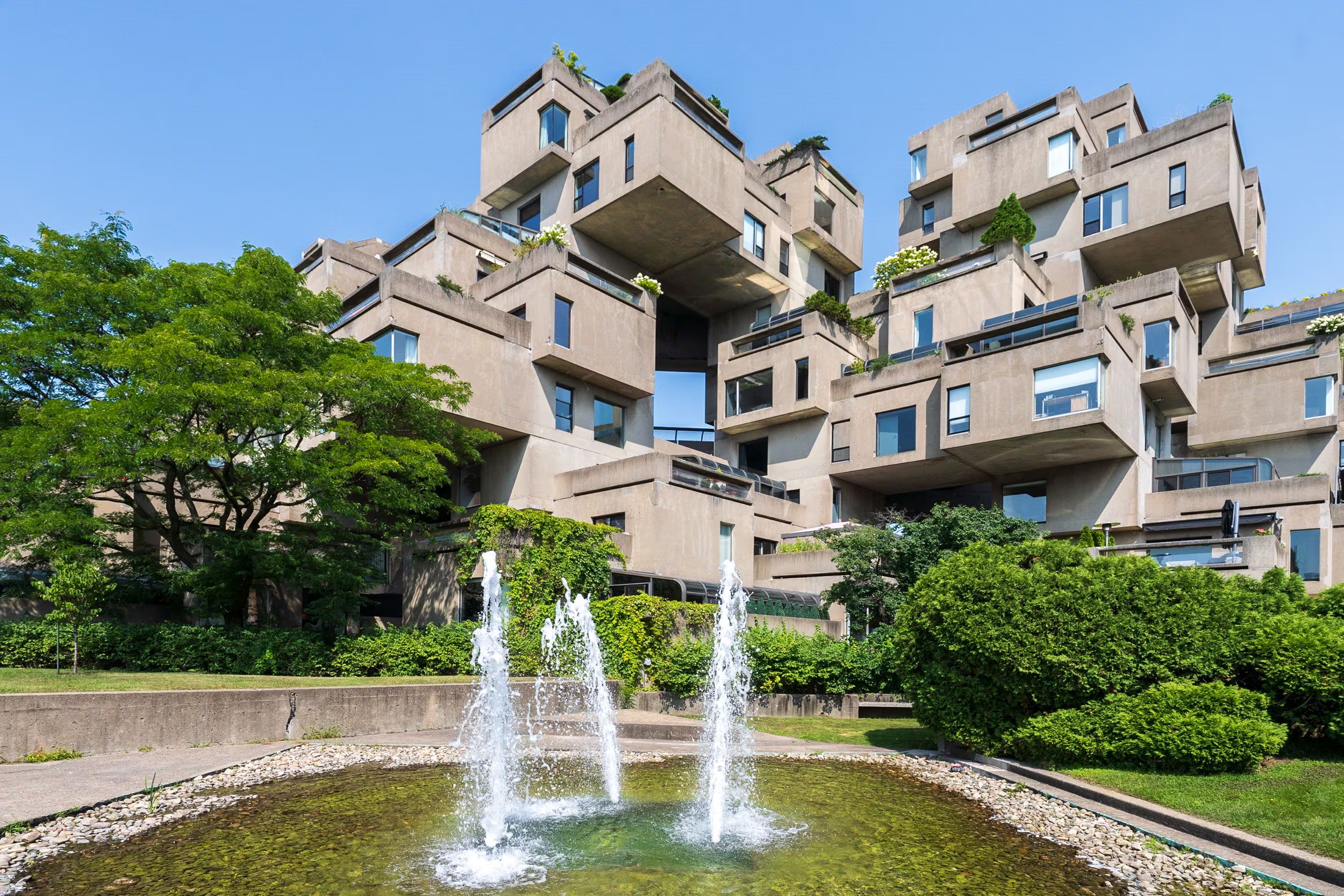
In Canada, Habitat 67 is a unique example. It looks like stacked concrete boxes and was designed to provide both privacy and community living.
Brutalism in Government and Public Buildings
Governments often chose Brutalist architecture for official buildings. The style conveyed authority, stability, and seriousness.
Courthouses, universities, libraries, and city halls were commonly built in this way. The strong materials also required little maintenance and could last for decades.
Some universities built entire campuses using Brutalist designs because concrete structures were affordable for large projects.
Social Housing and Urban Planning
Brutalism was closely connected to social housing. Many countries needed homes for growing urban populations, and concrete apartment blocks could be built quickly.
Architects hoped these buildings would create strong communities. Large complexes often included shops, schools, parks, and public spaces.
However, over time, some projects faced problems such as poor maintenance, overcrowding, or social issues. This caused many people to associate Brutalist housing with urban decline, even though the original goal was positive.
Why People Disagree About Brutalism
Brutalist architecture is one of the most debated styles ever created.
Why Some People Love It
-
It feels powerful and dramatic
-
It shows materials honestly
-
It represents modern history
-
It can look artistic and sculptural
-
It stands out from ordinary buildings
Why Some People Dislike It
-
It may look cold or unfriendly
-
Large concrete surfaces can feel gloomy
-
Weather can stain concrete over time
-
Some buildings seem too heavy or imposing
Because of these mixed opinions, many Brutalist buildings have been demolished, while others are now protected as historical landmarks.
Influence of Modernist Ideas
Brutalism grew from modernist architecture, which emphasized function over decoration. Architects believed buildings should serve human needs rather than copy past styles.
They also wanted architecture to reflect the modern industrial world, using materials like concrete, steel, and glass.
The goal was not to create luxury but to provide practical spaces for everyday life.
Interior Spaces in Brutalist Buildings
Inside, Brutalist buildings often continue the same raw aesthetic. Concrete walls may remain exposed, and spaces are usually large and open.
Lighting can play an important role. Sunlight entering through deep windows creates strong shadows, adding drama to otherwise plain surfaces.
Furniture and interior design are sometimes simple to match the architecture.
Environmental Performance
Concrete buildings can be very durable and resistant to fire, weather, and wear. Thick walls also provide good sound insulation.
However, concrete production requires a lot of energy and contributes to carbon emissions. Today, architects are exploring ways to make concrete more environmentally friendly.
Brutalism Around the World
Although it began mainly in Europe, Brutalism spread globally.
In Eastern Europe, many government and residential buildings used this style during the Cold War era.
In Asia and South America, Brutalism appeared in universities, cultural centers, and public housing.
Even in regions with very different climates, concrete remained popular because of its strength and flexibility.
Decline and Revival
By the late 20th century, Brutalism became less popular. New architectural trends favored glass towers, lighter materials, and more decorative styles.
Many people viewed Brutalist buildings as outdated or unattractive. Some were demolished to make way for modern developments.
However, in recent years, there has been renewed interest. Architects, historians, and photographers now appreciate Brutalism as an important part of cultural heritage.
Younger generations often see these buildings as unique, artistic, and historically meaningful.
Brutalism in Popular Culture
Brutalist architecture appears frequently in films, video games, and photography because of its dramatic look. The massive concrete forms can create a futuristic, dystopian, or powerful atmosphere.
This visual impact keeps the style relevant even decades after its peak popularity.
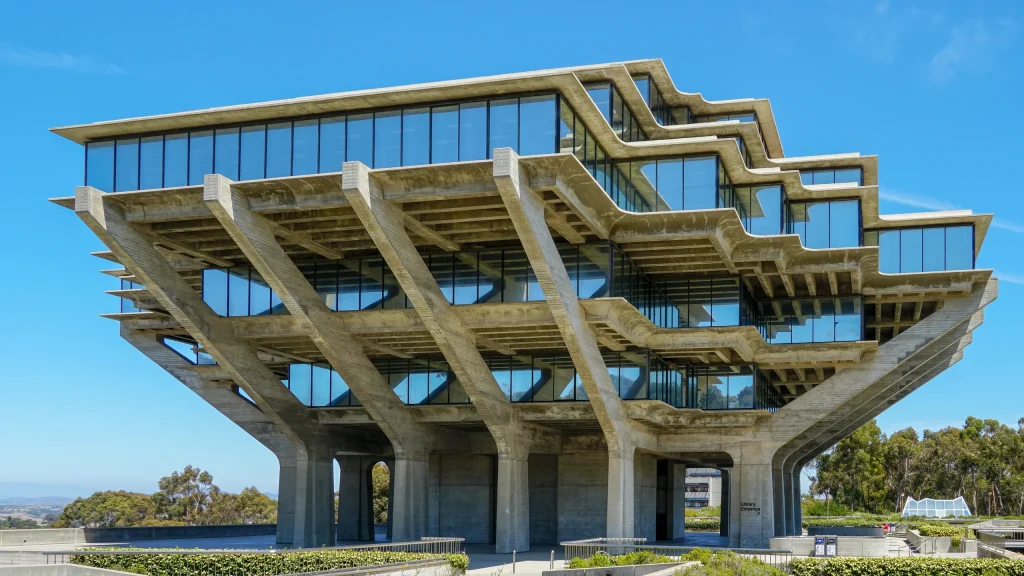
The Rise and Fall of Brutalist Architecture Around the World
Lessons from Brutalist Architecture
Brutalism teaches us several important ideas about design.
First, materials can be beautiful in their natural state. There is no need to hide or decorate everything.
Second, architecture reflects social conditions. The rise of Brutalism was directly connected to post-war rebuilding and urban growth.
Third, public opinion about architecture can change over time. What one generation dislikes, another may celebrate.
Conclusion
Brutalist architecture is a bold and unforgettable chapter in modern design history. With its raw concrete surfaces, massive forms, and minimal decoration, it challenges traditional ideas of beauty. Born from the need to rebuild after war, it aimed to provide strong, practical spaces for everyday life.
While opinions about Brutalism remain divided, its influence on architecture is undeniable. From government buildings to housing complexes, these structures tell a story about a time when society valued honesty, functionality, and strength above all else.
Today, as people look again at these buildings with fresh eyes, Brutalism continues to spark discussion, admiration, and debate. Whether loved or criticized, it remains one of the most distinctive architectural styles ever created.
Read Also: Keep your face towards the sunshine and shadows will fall behind you
Watch Also: https://www.youtube.com/@TravelsofTheWorld24






Leave a Reply