
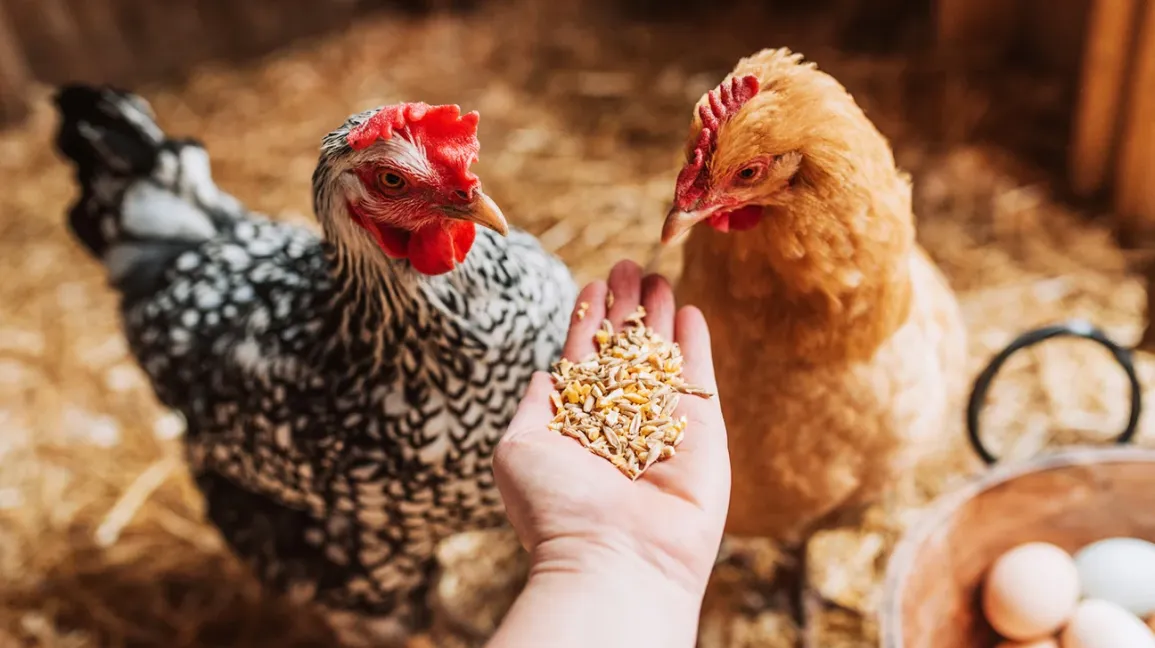
Hens are female chickens (Gallus gallus domesticus) known for laying eggs, their role in farm life, and their social behavior. They are one of the most common domesticated birds worldwide. This article explores everything about hens, including their appearance, behavior, habitat, diet, and importance in nature and human life.
What Is a Hen?
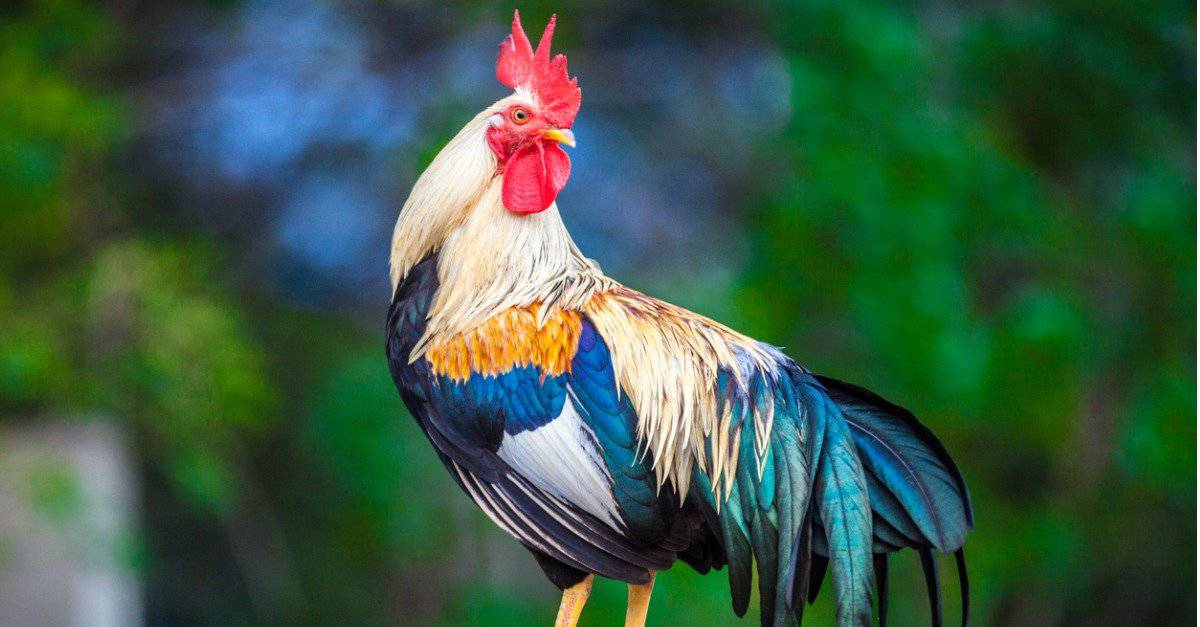
A hen is the female of the domestic chicken species. Hens are usually smaller and less colorful than roosters, but they are vital for egg production and raising chicks.
Hens have been domesticated for thousands of years and are kept for eggs, meat, and sometimes as pets. They are social birds, often living in groups called flocks.
Physical Features of Hens
Hens have several features that make them recognizable:
-
Size: Medium-sized, usually 1.5–3 kg in weight.
-
Color: Feathers vary by breed, including white, brown, black, or multicolored.
-
Comb: Small to medium red crest on top of the head.
-
Wattles: Red flaps under the chin.
-
Beak: Short and strong for pecking food.
-
Feet: Strong with claws for scratching the ground.
-
Tail feathers: Shorter than roosters, often upright.
Hens are less showy than roosters but have gentle and functional features.
Where Do Hens Live?
Hens are domestic birds but can adapt to semi-wild conditions:
-
Farms and villages: Most common habitats.
-
Backyards: Many people keep hens in small coops.
-
Urban areas: Some hens live in urban farms or rooftop coops.
-
Tropical and temperate regions: Hens adapt well to many climates.
Hens need shelter, food, and protection from predators to thrive.
What Do Hens Eat?
Hens are omnivores and eat a variety of foods:
-
Grains and seeds like corn, wheat, and barley
-
Vegetables, fruits, and leafy greens
-
Insects, worms, and small invertebrates
-
Kitchen scraps in domestic settings
Hens scratch the ground to find insects and seeds, which helps control pests.
Behavior of Hens
Hens are social, active, and caring birds:
-
Flocking: They prefer living in groups for safety and social interaction.
-
Foraging: Hens scratch the ground to find food.
-
Vocalization: Hens cluck to communicate with chicks or alert the flock.
-
Mothering: Hens care for their chicks, keeping them warm and guiding them to food.
-
Pecking order: Hens establish a social hierarchy to reduce conflict.
Hens are intelligent, observant, and capable of learning routines.
Reproduction and Life Cycle
Hens play a key role in reproduction:
-
Mating: Roosters mate with hens, fertilizing eggs.
-
Egg-laying: Hens lay fertilized or unfertilized eggs, usually 1 per day during laying season.
-
Incubation: About 21 days, mainly by the hen, sometimes with heat lamps in domestic settings.
-
Chicks: Baby chickens are called chicks, fed and protected by the hen.
-
Growth: Chicks develop feathers and learn to forage, becoming independent in a few weeks.
Hens can lay hundreds of eggs per year depending on breed and care.
Predators and Threats
Hens face threats from both nature and humans:
-
Foxes, dogs, cats, and birds of prey
-
Diseases, parasites, and poor hygiene
-
Hunting in some regions
-
Extreme weather and habitat loss
Hens rely on coops, vigilance, and flocking to avoid predators.
Importance of Hens in Nature and Human Life
Hens are vital for farms and humans:
-
Egg production: Primary source of eggs for human consumption.
-
Meat production: Hens provide poultry meat.
-
Pest control: Eating insects helps protect crops.
-
Cultural significance: Hens appear in folklore, art, and traditions worldwide.
-
Biodiversity: Domesticated and wild hens contribute to ecological balance.
Hens have practical, economic, and cultural importance.
Unique Hen Breeds
There are many hen breeds, each with unique features:
-
Leghorn: White feathers, prolific egg layers.
-
Rhode Island Red: Red feathers, hardy and dual-purpose for meat and eggs.
-
Silkie: Fluffy feathers, gentle temperament, ornamental.
-
Brahma: Large, gentle, feathered legs, good for meat.
-
Plymouth Rock: Friendly, good layers, striped feathers.
Each breed has its own color, size, and egg-laying capacity.
Fun Facts About Hens
-
Hens can recognize faces and remember people.
-
They communicate with over 20 different sounds.
-
Hens can run fast and fly short distances.
-
Some hens lay eggs with unique colors like blue, green, or speckled.
-
Hens live 5–10 years on average, longer in safe domestic conditions.
Observing Hens
To watch hens safely:
-
Visit farms or backyards: Most common places.
-
Observe behavior: Scratching, pecking, mothering, and social interactions.
-
Respect space: Avoid disturbing nests or chicks.
Observing hens provides insight into social behavior, parenting, and animal intelligence.
Care and Conservation of Hens
Although hens are domesticated, proper care is important:
-
Provide shelter, clean water, and balanced feed.
-
Protect from predators and extreme weather.
-
Monitor health and prevent diseases.
-
Maintain breeding programs to preserve rare breeds.
Proper care ensures healthy, productive hens for eggs, meat, and breeding.
Hens and Humans
Hens have been closely connected to humans for centuries:
-
Farming: Egg and meat production.
-
Pets: Some hens are kept as backyard pets.
-
Cultural symbolism: Hens represent fertility, diligence, and motherhood in folklore and art.
-
Scientific research: Studied for behavior, genetics, and egg production.
Humans benefit from hens while also being responsible for their welfare.
Conclusion
Hens are gentle, social, and productive birds that play an essential role in farm life and human culture. From egg-laying and caring for chicks to controlling pests and supporting biodiversity, hens are remarkable animals.
By understanding hens, caring for them properly, and respecting their natural behavior, humans can ensure these important birds continue to thrive. Hens are not only valuable for food and farming but also fascinating for their intelligence, social behavior, and role in traditions worldwide.
Read Also: Keep your face towards the sunshine and shadows will fall behind you
Watch Also: https://www.youtube.com/@TravelsofTheWorld24





Leave a Reply