
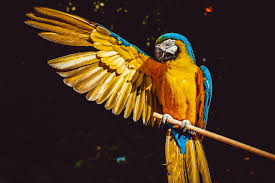
Parrots are bright, colorful birds known for their intelligence, playful behavior, and ability to mimic sounds. They are found in tropical and subtropical regions and are popular pets worldwide. This article explores everything about parrots, including their appearance, behavior, habitat, diet, and importance in nature and human life.
What Is a Parrot?
Parrots belong to the bird family Psittacidae, which includes over 350 species worldwide. They range in size from small budgerigars to large macaws. Parrots are known for their strong curved beaks, zygodactyl feet (two toes forward, two backward), and long lifespans.
Parrots are highly intelligent and social birds. Many species can imitate human speech and other sounds, making them fascinating to watch and interact with.
Physical Features of Parrots
Parrots have unique features that make them easy to identify:
-
Size: Varies by species; from 7 inches to over 40 inches in length.
-
Color: Bright feathers in shades of green, red, blue, yellow, and orange.
-
Beak: Strong, curved for cracking nuts, seeds, and climbing.
-
Feet: Zygodactyl feet help them grasp branches and food.
-
Wings: Strong for flying, often brightly colored.
-
Eyes: Round and expressive, giving them keen vision.
Some parrots, like macaws and cockatoos, have long tail feathers and striking crests.
Where Do Parrots Live?
Parrots are mostly found in tropical and subtropical regions:
-
Rainforests: Many parrots live in dense forests with high trees.
-
Woodlands and savannas: Some species adapt to open habitats.
-
Islands: Unique species are found on islands like the Galapagos or Seychelles.
-
Urban areas: Some parrots, like monk parakeets, live near humans in cities.
Parrots need areas with plenty of food, water, and safe nesting sites.
What Do Parrots Eat?
Parrots are primarily herbivores but can be omnivorous:
-
Seeds and nuts: A staple food for most species.
-
Fruits: Mangoes, berries, and papaya.
-
Vegetables: Leafy greens and roots.
-
Flowers and nectar: Some parrots feed on blossoms.
-
Insects: Occasionally, parrots eat small insects or larvae for protein.
Parrots use their strong beaks to crack hard shells and peel fruits.
Behavior of Parrots
Parrots are social, playful, and intelligent birds:
-
Flocking: Many parrots live in flocks, sometimes numbering hundreds.
-
Communication: They use squawks, chirps, and mimicry to communicate.
-
Problem-solving: Parrots can use tools and solve puzzles.
-
Play: They enjoy climbing, chewing, and interacting with toys.
-
Courtship: Males display bright feathers, dance, and make calls to attract mates.
Parrots are curious and can bond with humans and other animals.
Reproduction and Life Cycle
Parrots reproduce by laying eggs in tree hollows or nest boxes:
-
Mating season: Depends on species and climate.
-
Nesting: They use natural cavities or old nests.
-
Eggs: Usually 2–6 eggs per clutch, white and round.
-
Incubation: About 18–30 days, depending on species.
-
Chicks: Born blind and featherless, fed regurgitated food by parents.
-
Fledging: Young leave the nest after several weeks, learning to fly and forage.
Parrots can live long lives, often 20–50 years or more in captivity.
Predators and Threats
Parrots face threats from both nature and humans:
-
Birds of prey like hawks and eagles
-
Snakes and small mammals that raid nests
-
Habitat loss due to deforestation and urbanization
-
Illegal pet trade and hunting
Despite these threats, some species are thriving, while others are endangered.
Importance of Parrots in Nature
Parrots play key roles in ecosystems:
-
Seed dispersal: Eating fruits helps spread seeds to new areas.
-
Pollination: Nectar-feeding species help pollinate plants.
-
Food source: Parrots provide prey for predators in some regions.
-
Biodiversity: Parrots contribute to healthy forests and savannas.
-
Indicator species: Their presence indicates a healthy habitat.
Parrots maintain balance in ecosystems and support forest regeneration.
Parrots and Humans
Parrots have been part of human life for centuries:
-
Pets: Popular for their intelligence, color, and ability to mimic speech.
-
Cultural symbolism: Represent love, beauty, and communication in many cultures.
-
Scientific study: Research on parrot behavior helps understand intelligence and communication.
-
Conservation awareness: Protecting parrots raises awareness of habitat and wildlife conservation.
Humans have both helped and harmed parrots through care, breeding, habitat destruction, and the pet trade.
Unique Parrot Species
Some notable parrot species include:
-
African Grey Parrot (Psittacus erithacus): Famous for intelligence and talking ability.
-
Blue-and-yellow Macaw (Ara ararauna): Large, colorful parrot from South America.
-
Budgerigar (Melopsittacus undulatus): Small, popular pet parakeet from Australia.
-
Cockatoo (Cacatuidae family): Known for crests and playful behavior.
-
Eclectus Parrot (Eclectus roratus): Sexually dimorphic, males are green, females red.
Each species has unique colors, calls, and behaviors suited to its environment.
Fun Facts About Parrots
-
Parrots are among the most intelligent birds in the world.
-
They can mimic human speech and household sounds.
-
Some parrots live in flocks of hundreds, communicating constantly.
-
Parrots use their beaks like a third foot to climb and hold objects.
-
Lifespan varies greatly, from 5–10 years in small species to 50+ years in larger parrots.
Observing Parrots
To observe parrots safely:
-
Visit forests, parks, or sanctuaries: Tropical areas have the highest diversity.
-
Listen for calls: Squawks, whistles, and mimicry help locate parrots.
-
Use binoculars: Helps observe colorful feathers and behavior.
-
Respect space: Avoid disturbing nests or feeding wild parrots.
Watching parrots provides insight into intelligence, social behavior, and survival strategies.
Conservation of Parrots
Many parrot species are threatened or endangered:
-
Protect habitats like rainforests and woodlands.
-
Control illegal trapping and pet trade.
-
Educate people about the importance of parrots in ecosystems.
-
Support breeding and release programs for endangered species.
Conservation ensures parrots continue to thrive in the wild and maintain ecosystem balance.
Conclusion
Parrots are colorful, intelligent, and social birds that enrich both nature and human life. From their playful behavior and loud calls to their ability to mimic sounds and maintain healthy forests, parrots are truly remarkable.
By understanding parrots, protecting their habitats, and supporting conservation, humans can ensure these vibrant birds continue to thrive for generations. Parrots are not only beautiful and fascinating but also essential to the ecosystems they inhabit.
Read Also: Keep your face towards the sunshine and shadows will fall behind you
Watch Also: https://www.youtube.com/@TravelsofTheWorld24





Leave a Reply