
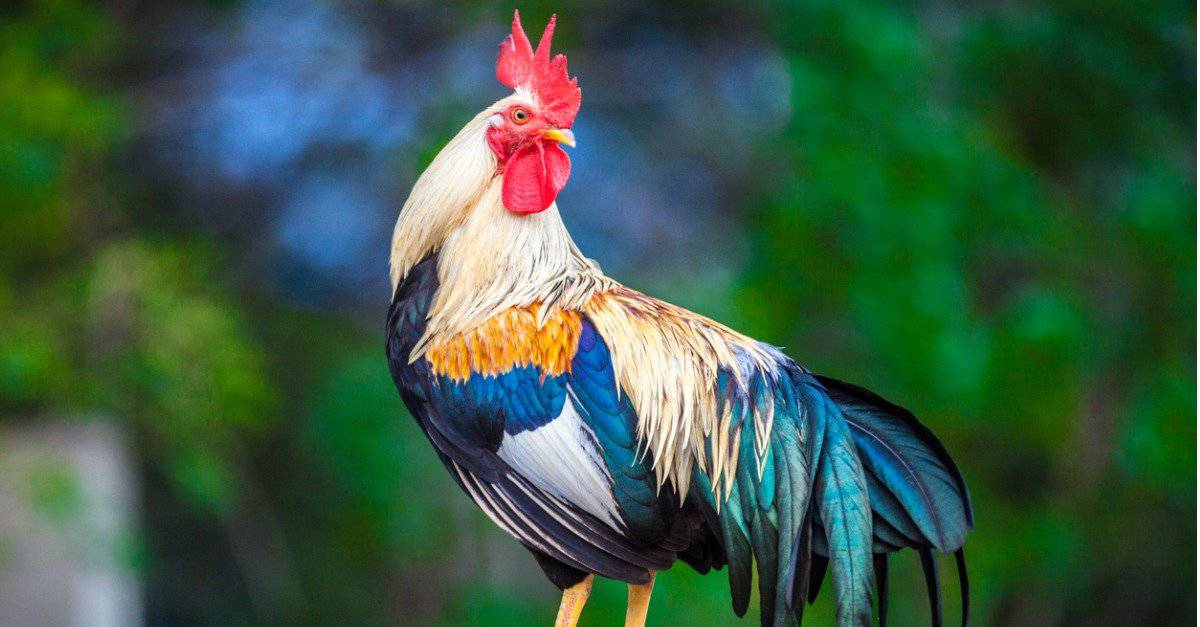
Roosters are male chickens known for their bright feathers, loud crowing, and role in farm life. They are familiar birds to humans and have been domesticated for thousands of years. This article explores everything about roosters, including their appearance, behavior, habitat, diet, and importance in nature and culture.
What Is a Rooster?
A rooster is the male of the chicken species (Gallus gallus domesticus). While female chickens are called hens, roosters are larger, more colorful, and are known for their crowing, which signals territory or dawn.
Roosters have been domesticated worldwide and are common on farms, in villages, and even in urban areas. They are important for breeding, protecting hens, and sometimes for cultural or ceremonial purposes.
Physical Features of Roosters
Roosters have distinct features that make them easy to identify:
-
Size: Larger than hens, usually 2–4 kg in weight.
-
Color: Bright and colorful feathers, including red, orange, green, and black.
-
Comb: The fleshy red crest on top of the head.
-
Wattles: Fleshy red flaps under the chin.
-
Beak: Strong and curved for pecking food.
-
Feet: Strong with sharp spurs for defense.
-
Tail feathers: Long, curved, and shiny, often colorful.
Male roosters are more striking than hens, making them easy to spot in a flock.
Where Do Roosters Live?
Roosters are domestic birds but can also live in semi-wild conditions:
-
Farms and villages: Most common habitats, living alongside hens.
-
Backyards and urban areas: Some people keep roosters in small coops.
-
Tropical and temperate regions: Roosters adapt to many climates.
Roosters are highly adaptable and need shelter, food, and safety from predators.
What Do Roosters Eat?
Roosters are omnivores and eat a variety of foods:
-
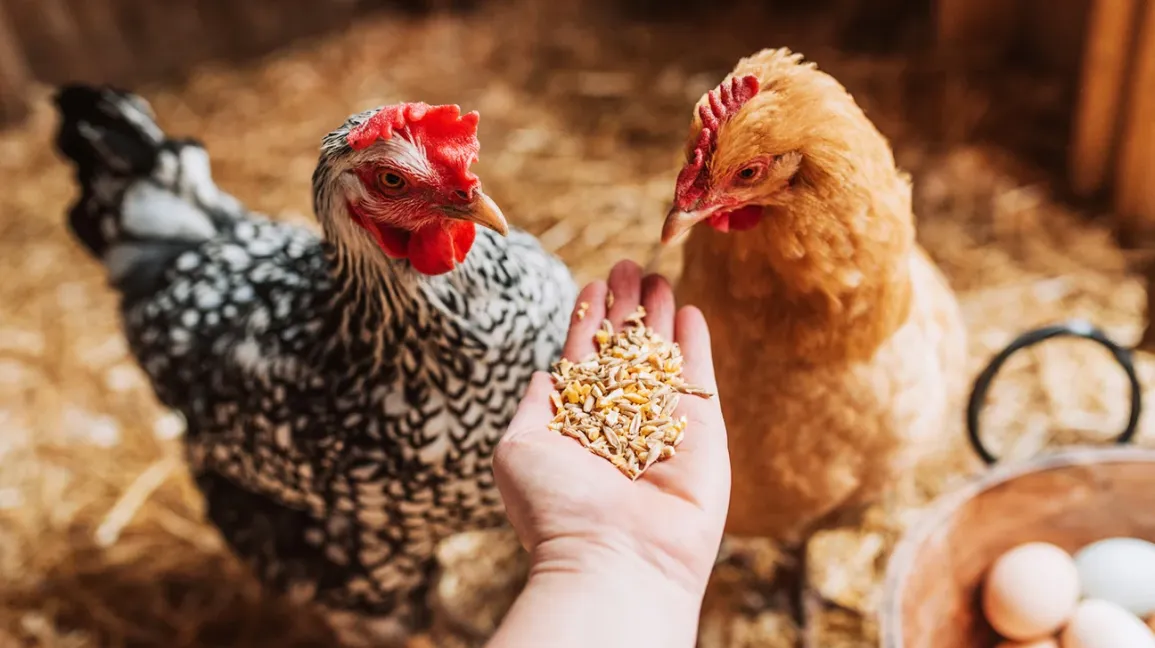
Grains and seeds like corn, wheat, and millet
-
Vegetables, fruits, and green plants
-
Insects, worms, and small invertebrates
-
Kitchen scraps in domestic settings
Roosters scratch the ground with their feet to find insects and seeds, helping control pests in farms.
Behavior of Roosters
Roosters are active, social, and protective birds:
-
Crowing: Roosters crow to mark territory, alert others, or signal dawn.
-
Protective behavior: Roosters guard hens from predators.
-
Social structure: Roosters often lead a flock and maintain order among hens.
-
Courtship: They perform dances, show feathers, and make special calls to attract hens.
-
Aggression: Roosters can be aggressive toward other males or perceived threats.
Roosters are confident and alert birds, often acting as leaders in their flocks.
Reproduction and Life Cycle
Roosters play a key role in breeding:
-
Mating: Roosters mate with hens, and their crowing attracts attention.
-
Fertilization: Roosters fertilize eggs, which hens lay in nests.
-
Eggs: Hens lay fertilized eggs that develop into chicks after about 21 days of incubation.
-
Chicks: Baby chickens are called chicks and are cared for by the hen, sometimes guided by the rooster.
-
Growth: Chicks grow quickly, developing feathers and learning to forage.
Roosters can father many chicks, making them vital for maintaining a flock.
Predators and Threats
Roosters face threats from both nature and humans:
-
Foxes, dogs, cats, and birds of prey
-
Diseases and parasites
-
Hunting in some regions for meat or sport
Roosters are alert and use crowing, spurs, and flight to protect themselves and the flock.
Importance of Roosters in Nature and Human Life
Roosters are important for several reasons:
-
Breeding: Ensuring the continuation of domestic chickens.
-
Pest control: Eating insects and worms helps protect crops.
-
Alarm system: Their crowing alerts humans and other animals.
-
Cultural significance: Roosters appear in art, folklore, and religious symbolism.
-
Food source: Roosters provide meat and sometimes feathers for humans.
Roosters are not only useful but also symbolic in many cultures around the world.
Unique Rooster Breeds
There are many rooster breeds, each with unique features:
-
Leghorn: White feathers, good egg layers, and active.
-
Rhode Island Red: Red feathers, hardy, and good for meat and eggs.
-
Silkie: Fluffy feathers, calm temperament, and unusual appearance.
-
Brahma: Large size, gentle nature, and feathered legs.
-
Phoenix: Long tail feathers, ornamental, and striking appearance.
Each breed has its own personality, color pattern, and uses.
Fun Facts About Roosters
-
Roosters can remember and recognize other chickens.
-
They have excellent hearing and vision.
-
Roosters can crow multiple times a day, not just at dawn.
-
Some roosters are used in competitions for beauty or agility.
-
Their crowing volume can reach up to 90 decibels, loud enough to be heard far away.
Observing Roosters
To watch roosters safely:
-
Visit farms or rural areas: Most common places to see them.
-
Observe their behavior: Watch courtship dances, crowing, and interactions with hens.
-
Take notes on breeds: Each breed may have unique colors, combs, or feather patterns.
-
Respect their space: Avoid disturbing nests or provoking aggression.
Observing roosters gives insight into social behavior, leadership, and animal intelligence.
Conservation and Care
While domestic roosters are not endangered, proper care is important:
-
Provide shelter, clean water, and balanced diet.
-
Protect from predators and extreme weather.
-
Monitor health for diseases and parasites.
-
Maintain genetic diversity in breeding programs.
Proper care ensures healthy, productive roosters and flocks.
Roosters in Culture
Roosters appear in cultures worldwide:
-
Symbols of courage: In many countries, roosters symbolize bravery and vigilance.
-
Religious symbolism: Roosters appear in Christian, Chinese, and Hindu traditions.
-
Folklore and myths: Stories often depict roosters as early risers or clever animals.
-
Festivals and art: Roosters are featured in paintings, sculptures, and celebrations.
Roosters have long been admired for their beauty, strength, and personality.
Conclusion
Roosters are colorful, intelligent, and lively birds that play an important role in farm life and human culture. From their bright feathers and loud crowing to their protective behavior and role in breeding, roosters are remarkable birds.
By understanding roosters, caring for them properly, and appreciating their significance, humans can ensure these beautiful birds continue to thrive and enrich our lives.
Read Also: Keep your face towards the sunshine and shadows will fall behind you
Watch Also: https://www.youtube.com/@TravelsofTheWorld24





Leave a Reply