
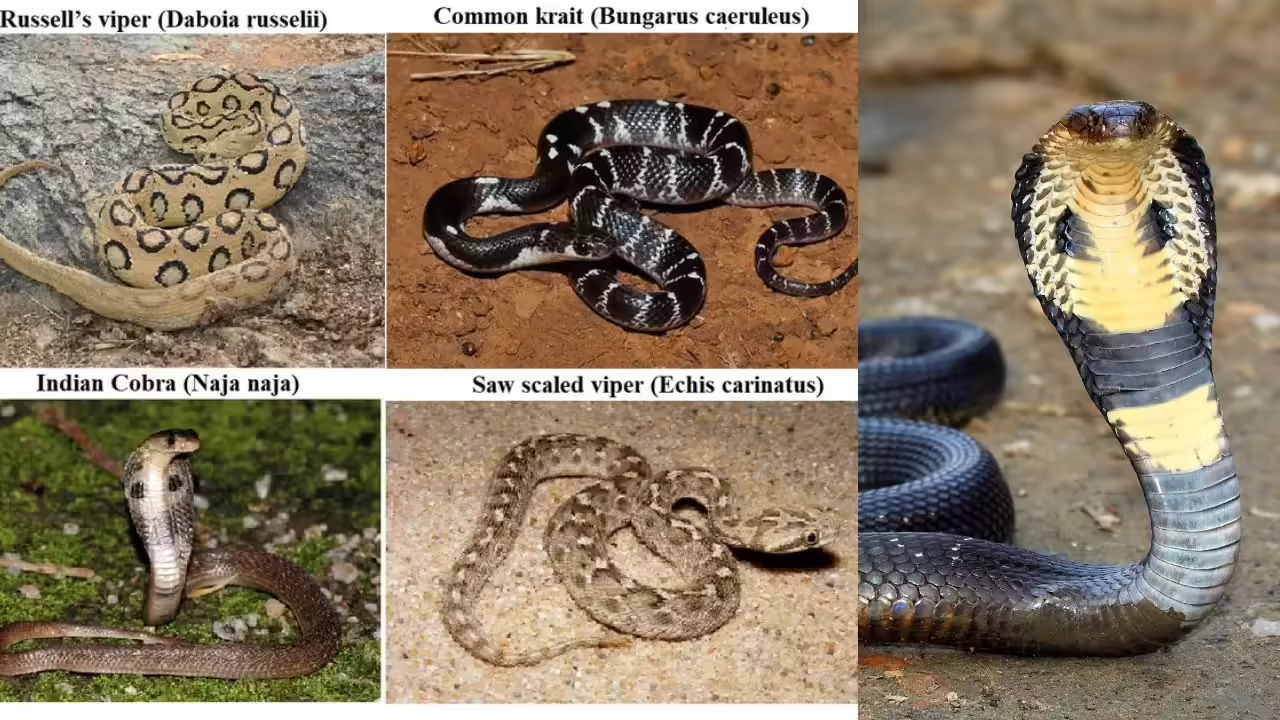
The Indian cobra is one of the most famous and recognized snakes in the world. Known for its hood, venom, and cultural significance, it is both feared and respected. In this article, we will explore everything about the Indian cobra, including its appearance, behavior, habitat, diet, and its role in culture and nature.
What Is an Indian Cobra?
The Indian cobra, scientifically called Naja naja, is a venomous snake found mainly in India, Pakistan, Sri Lanka, Bangladesh, and Nepal. It is one of the “big four” snakes in India, which are responsible for the most snakebite cases.
The Indian cobra is famous for its ability to flare its hood when threatened. This makes it look bigger and more intimidating to predators. Unlike some snakes, cobras are highly alert and often give warning signals before striking.
Physical Features of the Indian Cobra
The Indian cobra is easily recognizable because of its unique physical features:
-
Hood: When threatened, the cobra spreads the ribs in its neck to form a hood. This hood often has a spectacle-like pattern, which gives it the nickname “spectacled cobra.”
-
Color: Cobras can vary in color. Some are brown, yellow, or black, while others have patterns of pale spots or bands.
-
Size: Indian cobras usually grow between 4 to 6 feet in length, though some can reach up to 7 feet.
-
Scales: The scales are smooth and shiny, helping the snake move silently through grass or forests.
-
Eyes: They have round pupils and excellent vision, which helps them spot threats and prey.
Where Do Indian Cobras Live?
Indian cobras are highly adaptable and can live in a variety of habitats:
-
Forests: Both dry and wet forests are suitable for cobras.
-
Grasslands: They can easily hide in tall grass and hunt small animals.
-
Villages and Farmlands: Cobras often come close to human settlements in search of food.
-
Near Water: They are often found near ponds, rivers, or irrigation canals.
Cobras are shy by nature and prefer to avoid humans. However, they can come close to homes when looking for rodents or frogs.
What Do Indian Cobras Eat?
The Indian cobra is a carnivore, meaning it eats other animals. Its diet mainly includes:
-
Rats and mice
-
Frogs and toads
-
Small birds
-
Other snakes (sometimes even smaller cobras)
Cobras are excellent hunters. They use their venom to immobilize prey before swallowing it whole. Unlike some snakes, cobras can adjust the amount of venom they inject depending on the size of the prey.
Venom of the Indian Cobra
The Indian cobra’s venom is both powerful and complex:
-
Neurotoxic venom: This venom affects the nervous system, causing paralysis in prey.
-
Danger to humans: Cobra bites can be deadly if untreated. However, antivenom is available and effective.
-
Warning signals: Before striking, the cobra usually raises its hood, hisses loudly, and may sway its body. This gives humans and animals a chance to back away.
Despite its fearsome reputation, the Indian cobra rarely attacks unless provoked or cornered.
Behavior of Indian Cobras
Indian cobras have interesting behaviors:
-
Nocturnal: They are mostly active at night, hunting under the cover of darkness.
-
Climbing skills: Cobras can climb trees to hunt birds or escape predators.
-
Swimming: They can swim in water to catch prey or move between habitats.
-
Hissing and Hooding: When threatened, they hiss loudly and flare their hood to appear bigger.
Cobras are generally shy and will avoid humans if possible. They prefer to escape rather than fight unless they feel trapped.
Reproduction and Life Cycle
Indian cobras reproduce by laying eggs:
-
Mating season: Cobras usually mate during the monsoon season.
-
Egg laying: Females lay 20–40 eggs in hidden nests, often in burrows or under rocks.
-
Incubation: Eggs take about 60–80 days to hatch, depending on temperature and humidity.
-
Hatchlings: Baby cobras are fully independent at birth and already have venom. They must hunt for themselves immediately.
Cobras can live up to 20 years in the wild if they avoid predators and accidents.
Predators and Threats
Even though cobras are dangerous, they have natural enemies:
-
Mongooses: Known for their speed and resistance to cobra venom.
-
Birds of prey: Eagles and kites may attack young or smaller cobras.
-
Humans: Habitat destruction, killing out of fear, and poaching are major threats.
Conservation efforts are important to protect cobras and maintain ecological balance.
Indian Cobras in Culture
The Indian cobra holds a special place in Indian culture and mythology:
-
Religious significance: Cobras are associated with Hindu gods like Shiva and Vishnu. They symbolize power, protection, and fertility.
-
Snake charmers: Historically, cobras were used in traditional performances by snake charmers, who play music to “control” the snakes.
-
Festivals: In some parts of India, the festival of Nag Panchami celebrates snakes, where people worship cobras and offer milk.
Cobras are admired and feared, representing both danger and reverence in Indian tradition.
Importance in Nature
Indian cobras play a key role in their ecosystems:
-
Rodent control: By eating rats and mice, they help protect crops and reduce disease spread.
-
Food source: Cobras are prey for larger animals like mongooses and eagles.
-
Ecological balance: As both predator and prey, they help maintain healthy populations of other animals.
Without cobras, rodent populations could grow unchecked, and the balance of the ecosystem would be disrupted.
How to Stay Safe Around Cobras
Since cobras can be dangerous, it is important to know safety measures:
-
Stay alert: Watch where you step in areas where cobras live.
-
Do not provoke: Never try to touch, trap, or scare a cobra.
-
Use lights at night: Cobras are more active at night, so carry a flashlight when walking in rural areas.
-
Call professionals: If a cobra enters your home, contact local wildlife authorities or snake rescuers.
Most cobra bites happen when humans accidentally corner or disturb the snake. Respecting their space keeps both people and snakes safe.
Fun Facts About Indian Cobras
-
Cobras can “stand up” by raising the front part of their bodies and spreading their hood.
-
They can detect prey using heat-sensitive pits near their mouth.
-
Baby cobras are fully venomous and dangerous even at a young age.
-
The spectacled pattern on their hood is unique to each snake.
-
Cobras are intelligent and can recognize repeated threats in their environment.
Conservation of Indian Cobras
The Indian cobra is protected under the Wildlife Protection Act in India. Conservation efforts focus on:
-
Protecting habitats: Forests, wetlands, and grasslands are preserved to ensure cobras have safe homes.
-
Anti-poaching measures: Stopping illegal trade of snakes for venom, pets, or traditional practices.
-
Education: Teaching people about the importance of cobras and how to live safely alongside them.
Conservation ensures that these iconic snakes continue to thrive in the wild while keeping humans safe.
Observing Cobras in the Wild
If you want to see Indian cobras safely:
-
Go with a guide: Local wildlife experts know safe places to observe snakes.
-
Use binoculars: This allows you to watch without disturbing them.
-
Stay quiet: Cobras are sensitive to vibrations and sounds.
-
Visit wildlife reserves: Many national parks in India, like Ranthambore and Bandipur, are home to cobras and other snakes.
Observing cobras from a distance gives insight into their natural behavior and beauty.
Conclusion
The Indian cobra is more than just a dangerous snake; it is a vital part of nature and culture. With its impressive hood, potent venom, and role in controlling pests, it is a key species in India’s wildlife. While it can be deadly, it also commands respect and fascination.
By understanding Indian cobras, respecting their habitats, and following safety measures, humans can coexist with these amazing reptiles. Protecting cobras ensures ecological balance and preserves a unique part of India’s natural and cultural heritage.
Read Also: Keep your face towards the sunshine and shadows will fall behind you
Watch Also: https://www.youtube.com/@TravelsofTheWorld24





Leave a Reply