
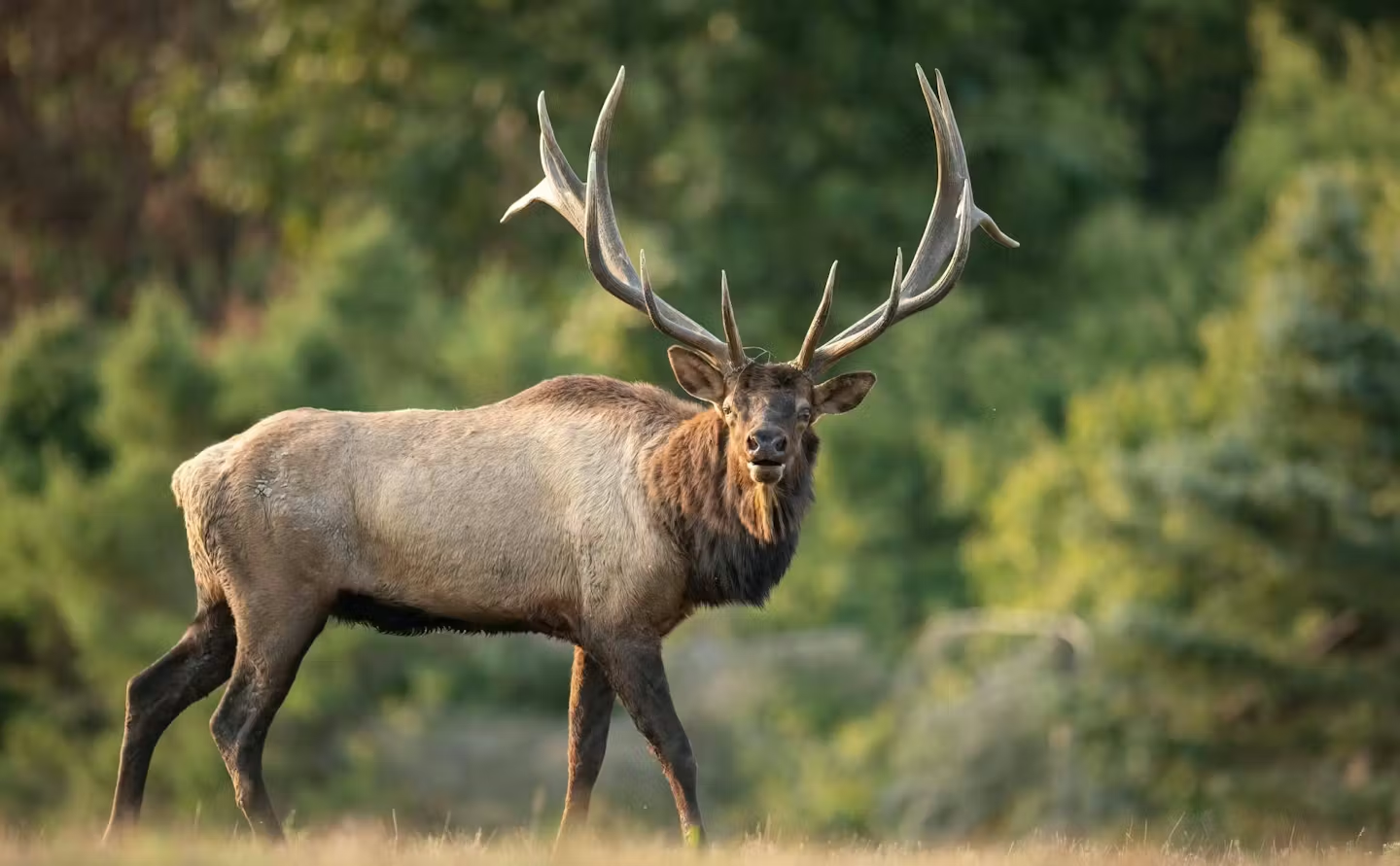
Elk are one of the largest species of deer in the world. They are also known as wapiti, which comes from a Native American word meaning “white rump,” because of the pale patch of fur on their back end. Elk are part of the deer family, but they are much bigger than most deer we usually see. Male elk, called bulls, can weigh between 700 and 1,100 pounds, while females, called cows, are smaller, usually around 500 to 600 pounds. They have long legs, a sturdy body, and a beautiful set of antlers.
Appearance
Elk have a brownish body with a lighter neck and a whitish rump. Their coat changes with the season. In summer, the fur is reddish-brown, and in winter, it turns darker and thicker to keep them warm. Male elk grow large antlers every year, which they shed in late winter after mating season. Antlers can reach up to 4 feet long and have many points. Female elk do not have antlers.
Habitat
Elk live in forests, grasslands, and mountainous areas. In North America, they are mostly found in the Rocky Mountains, the Pacific Northwest, and some parts of Canada. There are also elk in Europe and Asia, where they are sometimes called red deer. Elk like open spaces to graze but also need forests for cover and protection. They are very adaptable and can live in cold snowy mountains or grassy valleys.
Diet
Elk are herbivores, which means they eat only plants. Their diet includes grass, leaves, bark, and shrubs. In summer, they mostly eat green grass and leaves, which are full of nutrients. In winter, when grass is scarce, they eat twigs, bark, and leftover plants. They spend a lot of time grazing, sometimes up to 8 hours a day. Elk need a lot of food because they are large animals and need plenty of energy to survive, especially in winter.
Behavior
Elk are social animals and usually live in groups called herds. Female elk and their young stay together in small herds, while males may form bachelor groups. During the mating season, called the rut, males compete for females. Bulls use their loud calls, called bugles, to attract cows and show dominance. They also fight other males by locking antlers and pushing each other. The rut is an exciting and intense time for elk and usually happens in the fall.
Elk are active during the day and at dawn and dusk. They are alert animals and have excellent senses of smell, hearing, and sight, which help them detect predators. Wolves, bears, and humans are their main threats, though humans are now the biggest threat due to hunting and habitat loss.
Reproduction
Female elk usually give birth to one calf a year, sometimes two. Calves are born in late spring or early summer. When a calf is born, it can stand and walk within a few hours. Calves have spotted fur that helps them blend into the forest and stay safe from predators. Mothers are very protective and keep their calves hidden for the first few weeks, feeding them and keeping them close. The calf stays with its mother for about a year before joining the herd fully.
Migration
Some elk populations migrate depending on the season. In areas with heavy snowfall, elk move to lower elevations in winter where food is more available. In summer, they return to higher mountains to graze on fresh grass. Migration helps elk survive the harsh conditions of winter and find the best food sources. Not all elk migrate; it depends on where they live and the climate of the region.
Communication
Elk are vocal animals. Bulls are famous for their bugling calls during the rut. This loud, high-pitched sound can be heard for miles. The bugle serves two purposes: it attracts females and warns other males to stay away. Elk also communicate through body language. For example, if an elk raises its tail, it can signal danger to the herd. They also use scent markings to mark territory.
Importance in Nature
Elk play an important role in their ecosystem. By feeding on grass, shrubs, and trees, they help control plant growth. Their grazing creates open spaces that benefit other animals, like birds and smaller mammals. Elk are also a food source for predators like wolves and bears. Even their droppings help fertilize the soil, which supports plants and trees. In this way, elk contribute to the balance of nature in the areas they live.
Relationship with Humans
Humans have hunted elk for thousands of years for meat, hides, and antlers. Elk meat is a popular source of protein and is leaner than beef. Their hides are used to make clothing and tools, while antlers are sometimes used for decoration or traditional medicine in some cultures. Today, elk are often protected in national parks and wildlife reserves. Many people enjoy watching elk in the wild or hunting them in a regulated way. Elk are also a symbol of wilderness and beauty in many cultures.
Interesting Facts
-
Speed: Elk can run up to 45 miles per hour for short distances to escape predators.
-
Jumping Ability: They can jump over fences and obstacles as high as 8 feet.
-
Swimming: Elk are good swimmers and can cross rivers if needed.
-
Lifespan: In the wild, elk usually live 10–13 years, though some can live longer.
-
Antler Growth: Male elk grow new antlers every year. Antlers grow quickly in spring and summer and are covered with soft skin called velvet, which supplies nutrients to help them grow.
Conservation
Elk populations faced serious declines in the past due to overhunting and loss of habitat. Today, thanks to conservation efforts, their numbers are recovering in many areas. National parks, wildlife refuges, and hunting regulations help protect elk and their habitats. In some places, reintroduction programs have successfully brought elk back to areas where they had disappeared. Conserving elk also helps protect other wildlife and the environment as a whole.
Observing Elk
Watching elk in the wild is an amazing experience. Many people visit national parks in North America, like Yellowstone or Rocky Mountain National Park, to see elk herds. Early morning or late evening are the best times because elk are more active. During the rut in fall, visitors might hear bulls bugling or even witness antler fights. Observing elk can teach us a lot about wildlife behavior and the importance of protecting natural habitats.
Summary
Elk are strong, graceful, and fascinating animals. They live in forests and mountains, eat plants, and travel in herds. Male elk grow large antlers and compete during the mating season. Female elk care for their calves, keeping them safe from predators. Elk play an important role in nature and are admired by humans for their beauty and strength. Conservation efforts ensure that elk continue to thrive so future generations can enjoy the sight of these majestic creatures.
Elk are more than just animals—they are a symbol of wild places and the beauty of nature. Whether it’s their bugling call echoing through the mountains or their large herds grazing peacefully in valleys, elk remind us of the wonder of the natural world. Protecting them and their habitat ensures that the forests and mountains remain full of life for years to come.
Read Also: Keep your face towards the sunshine and shadows will fall behind you
Watch Also: https://www.youtube.com/@TravelsofTheWorld24





Leave a Reply