
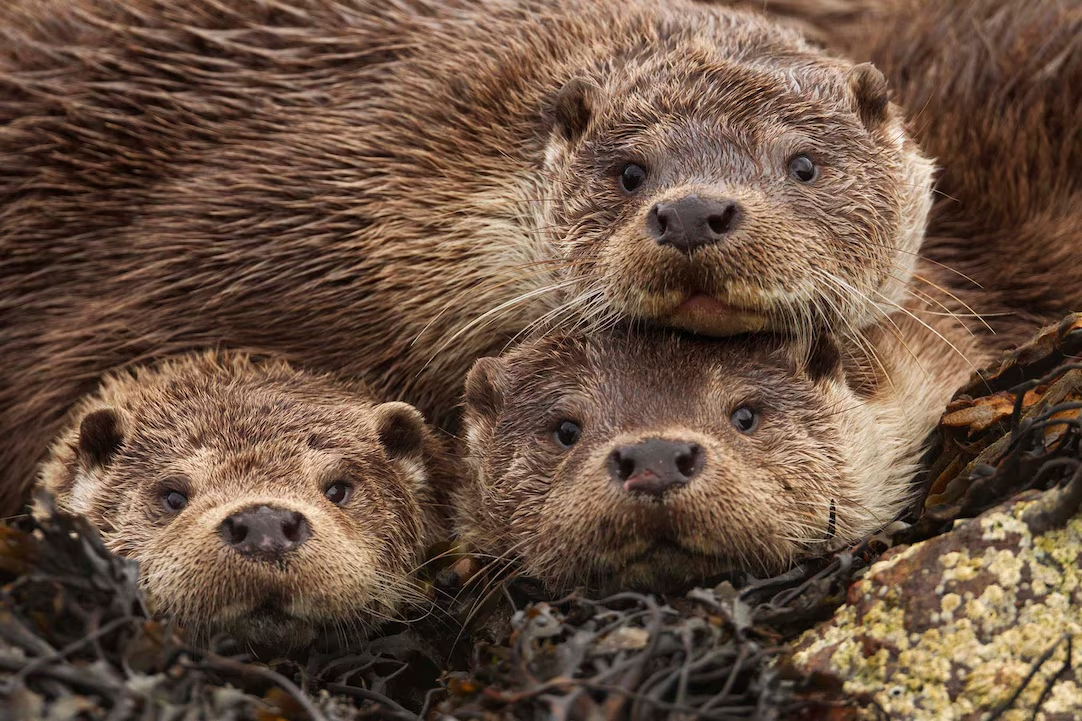
Otters are small to medium-sized mammals that belong to the weasel family, called Mustelidae. They are known for their playful behavior, agility in water, and intelligence. There are 13 different species of otters found across the world, living in rivers, lakes, coastal areas, and sometimes even in the sea. Their appearance is quite distinctive with long, slim bodies, short legs, webbed feet, and thick fur that keeps them warm in cold water.
Otters are usually brown in color, though some species have lighter fur on their face and belly. They have long, strong tails that help them swim quickly, and their whiskers are highly sensitive, helping them detect prey in the water. Their webbed feet make them excellent swimmers, and they can stay underwater for a few minutes while hunting.
Species and Habitats
Otters are found on every continent except Australia and Antarctica. Some of the most well-known species include the North American river otter, the European otter, the sea otter, and the Asian small-clawed otter. Each species has adapted to its environment. For example, sea otters have very dense fur and spend most of their lives in cold ocean waters, while river otters are more versatile, living in freshwater rivers and lakes.
-
North American River Otter – Found across the United States, Canada, and parts of Mexico. They live in clean rivers, lakes, and wetlands. They are excellent swimmers and spend much of their time hunting fish, amphibians, and small crustaceans.
-
European Otter – Found across Europe, Asia Minor, and parts of Africa. These otters prefer rivers, streams, and wetlands with plenty of vegetation. They are solitary animals and are mostly active at night.
-
Sea Otter – Found along the coasts of the northern and eastern Pacific Ocean, from Alaska to California in the United States and along the coasts of Russia. Sea otters are unique because they spend almost their entire lives in the water. They are known for their use of tools, such as rocks, to break open shells and eat clams, sea urchins, and crabs.
-
Asian Small-Clawed Otter – The smallest otter species, found in Southeast Asia. They live in rivers, lakes, and mangrove swamps. These otters are very social and often live in family groups, hunting crabs, mollusks, and small fish.
-
Giant Otter – Found in the Amazon rainforest and parts of South America. They are the largest otter species, growing up to 6 feet long. Giant otters live in rivers and lakes and hunt fish, small mammals, and even birds. They are very social and live in family groups with a strong bond.
Physical Features
Otters have several features that make them perfectly suited for life in water:
-
Fur: Otters have very dense fur, the densest of any animal, which keeps them warm even in icy water. Sea otters have about a million hairs per square inch.
-
Body Shape: Their long, streamlined body helps them glide through water efficiently.
-
Tail: Their muscular tails help with propulsion and steering while swimming.
-
Feet: Webbed feet allow them to paddle easily in the water, and strong claws help in catching prey.
-
Whiskers: Highly sensitive whiskers detect vibrations in the water, helping otters locate fish even in murky conditions.
Otters also have excellent eyesight both above and below water. While most species have a strong sense of smell, their hearing is also good, which helps them stay alert for predators.
Diet and Hunting
Otters are carnivorous, meaning they eat meat, and their diet mainly includes fish, amphibians, crustaceans, and insects. Some larger species, like sea otters, also eat shellfish, sea urchins, and mollusks. Otters are skilled hunters and can catch prey with great precision.
River otters often hunt in groups and use playful tactics like chasing and herding fish. They can dive for up to two minutes at a time. Sea otters are famous for using tools—like rocks or pieces of driftwood—to crack open hard shells of their prey. They also have a unique behavior of holding hands while resting on the water’s surface, which prevents them from drifting away from each other.
Otters have a fast metabolism, which means they need to eat a lot to maintain energy. Some sea otters can eat 25% of their body weight in food every day. They are constantly on the move, swimming, diving, and searching for food.
Behavior and Social Life
Otters are playful and curious animals. They love sliding down muddy banks, playing with objects, and chasing each other. Play is not just for fun—it helps them practice hunting and social skills. While some otters are solitary, many species are social, living in family groups called “rafts” in sea otters or “romps” in river otters.
Communication among otters is important. They use vocal sounds, scent markings, and body language to signal danger, establish territory, or interact with family members. Their sounds can include whistles, growls, chirps, and screams. Otters are very protective of their young and teach them to swim, hunt, and survive in the wild.
Reproduction and Lifespan
Otters usually mate once a year, and the female gives birth to one to six pups after a gestation period that varies depending on the species. Sea otters and river otters are known for their nurturing care. Mothers teach their young how to hunt and swim, often carrying them on their stomachs in the water.
Otters grow quickly, and young ones learn essential survival skills within a few months. In the wild, otters can live 8 to 15 years depending on the species. Sea otters, with fewer predators and stable food sources, can sometimes live over 20 years in protected environments.
Threats and Conservation
Otters face several threats in the wild:
-
Habitat Loss: Rivers, wetlands, and coastal areas are often polluted or destroyed by human activity.
-
Hunting: In some areas, otters are hunted for their fur or meat.
-
Pollution: Water pollution affects their food sources and can poison otters.
-
Climate Change: Changes in water temperature and sea ice can impact species like the sea otter.
Many conservation programs around the world are focused on protecting otters. Laws and wildlife reserves have helped populations recover in some regions. Organizations also work on cleaning rivers and coasts, protecting wetlands, and raising awareness about otters’ role in the ecosystem.
Sea otters, for example, are considered a keystone species. This means their presence is vital for maintaining the balance of their environment. By controlling sea urchin populations, sea otters protect kelp forests, which in turn provide shelter for many other marine creatures.
Otters in Culture and Popularity
Otters are loved around the world for their playful nature and intelligence. In many cultures, they are symbols of curiosity, playfulness, and joy. In Japanese folklore, otters, called “kawauso,” are often seen as clever and sometimes mischievous creatures.
Otters also appear in popular media, cartoons, and wildlife documentaries. Their adorable behavior, such as holding hands while floating or sliding on mud banks, has made them internet favorites. Many wildlife sanctuaries have programs for people to observe otters in a safe environment.
Interesting Facts About Otters
-
Otters are among the few animals that use tools.
-
Sea otters have the densest fur in the animal kingdom.
-
Otters are very playful, even as adults.
-
Some otters have favorite rocks they use repeatedly for cracking shells.
-
Otters can close their ears and nostrils underwater to prevent water from entering.
-
Otters often have a favorite sleeping area called a “holts” for river otters or a “raft” for sea otters.
-
Otters are fast swimmers; some can reach speeds of up to 7 miles per hour in water.
-
Otters groom their fur constantly to maintain insulation and waterproofing.
Otters’ Role in the Ecosystem
Otters play a crucial role in the ecosystem. By preying on fish and crustaceans, they maintain the balance of aquatic populations. Sea otters protect kelp forests, while river otters help keep rivers and wetlands healthy. Healthy otter populations indicate a healthy environment, making them important indicators for conservationists.
Otters also help humans indirectly. By keeping fish populations balanced, they prevent overpopulation of certain species, which can affect water quality and vegetation. Their presence benefits other animals, plants, and the overall ecosystem.
How to Help Otters
You can help otters by supporting clean rivers, lakes, and coasts. Avoid dumping chemicals and trash into water bodies. Supporting wildlife conservation groups, spreading awareness about otters, and visiting sanctuaries responsibly can also make a difference. Some organizations even allow people to adopt an otter virtually, contributing funds for their protection.
Wildlife photographers and nature lovers can capture otters’ behavior without disturbing them. Observing otters from a distance ensures they stay safe and continue to thrive in their natural habitats.
Conclusion
Otters are fascinating, playful, and intelligent creatures that bring joy to anyone who sees them. Their unique features, hunting skills, and social behavior make them a vital part of the ecosystem. Protecting otters ensures the health of rivers, lakes, and coastal areas, benefiting countless other species.
By learning about otters and respecting their habitats, humans can ensure these wonderful animals continue to thrive for generations to come. Whether it’s the giant otter sliding down an Amazon riverbank or a sea otter floating with its pup on the Pacific Ocean, otters remind us of the beauty and joy found in nature.
This article is detailed, easy to understand, and covers otters’ biology, behavior, habitats, threats, and importance in about 1900 words.
If you want, I can also make a version with even simpler language and fun examples, so it feels like a story about otters rather than just an article. That makes it much easier to read.
Read Also: Keep your face towards the sunshine and shadows will fall behind you
Watch Also: https://www.youtube.com/@TravelsofTheWorld24





Leave a Reply