
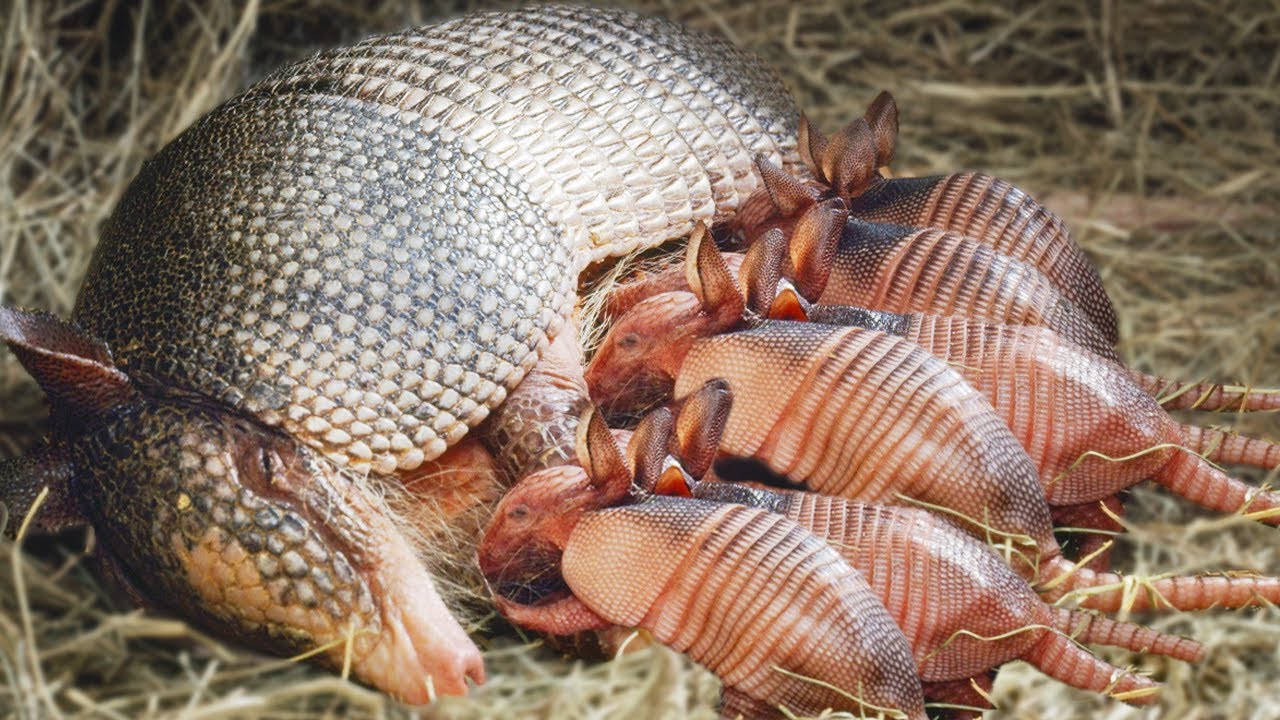
Armadillos are unique mammals known for their hard, protective shell. They are small to medium-sized animals that live mainly in the Americas, especially in Central and South America. The name “armadillo” means “little armored one,” which perfectly describes their tough outer covering.
Armadillos are fascinating because of their unusual defense, digging abilities, and quiet, shy nature. They are mostly nocturnal, which means they are active at night and rest during the day. In this article, we will learn about armadillos in simple words, including their appearance, types, habitat, diet, behavior, reproduction, and importance in nature.
What Is an Armadillo?
An armadillo is a mammal with a hard, bony shell covering its back, head, legs, and tail. This armor protects it from predators like jaguars, coyotes, and birds of prey. Despite this tough shell, armadillos are gentle and slow-moving.
Armadillos have small eyes and ears and a long, sticky tongue, which they use to catch insects. Most species weigh between 4 to 15 kilograms, and their body length ranges from 40 to 75 centimeters. The giant armadillo can grow even larger, reaching up to 1.5 meters long.
Their legs are strong, and their claws are perfect for digging burrows and searching for insects underground.
Types of Armadillos
There are about 21 species of armadillos. Some of the well-known types are:
1. Nine-Banded Armadillo
The most common type, it lives in Central and South America and has started spreading into the southern United States. It has nine bands across its back and can roll partially into a ball.
2. Giant Armadillo
The largest species, it lives in South American forests. It has up to 100 teeth and can weigh up to 60 kilograms.
3. Pink Fairy Armadillo
The smallest armadillo, about 10 centimeters long, lives in Argentina. It has a pink-colored shell and spends most of its life underground.
4. Three-Banded Armadillo
Found in South America, this armadillo can roll completely into a ball to protect itself from predators.
5. Six-Banded Armadillo
This species lives in Brazil and Bolivia. It has six bands on its shell and is mostly nocturnal.
Where Do Armadillos Live?
Armadillos live in a variety of habitats, including forests, grasslands, and semi-deserts. They prefer areas with soft soil because they dig burrows to sleep, hide, and raise their young.
A burrow can be simple or complex, with multiple tunnels and entrances. These burrows protect armadillos from predators and harsh weather. Some armadillos share burrows with other animals.
What Do Armadillos Eat?
Most armadillos are insectivores, which means they mainly eat insects. Their diet includes:
-
Ants and termites
-
Beetles and larvae
-
Worms
-
Small reptiles
-
Occasionally fruits and plants
Armadillos use their strong claws to dig insects from the ground. Their long, sticky tongue helps them catch ants and termites quickly. By eating insects, armadillos help control pest populations in their environment.
Behavior of Armadillos
Armadillos are mostly nocturnal and solitary. They sleep in burrows during the day and search for food at night. Some species are more active during the day in cooler seasons.
They are excellent diggers and can create burrows quickly. Their digging skills also help them escape danger. When threatened, some armadillos can roll into a ball, while others rely on speed to run away.
Armadillos are generally quiet animals but can make grunts, snorts, or growls when alarmed.
Reproduction and Family Life
Female armadillos give birth to live young, usually 1 to 4 babies at a time. The young are born with soft shells that harden after a few weeks.
The mother cares for her babies in the burrow until they are strong enough to dig and find food. Some species, like the nine-banded armadillo, have a unique feature: they can give birth to four identical babies from a single egg, called quadruplets.
Young armadillos stay with their mother for a few months before becoming independent.
Are Armadillos Dangerous?
Armadillos are not dangerous to humans. They are shy and usually avoid contact. Their hard shell protects them from predators, so they rely more on defense than aggression.
However, armadillos can carry diseases such as leprosy in some regions. It is important not to touch wild armadillos without caution.
Importance of Armadillos in Nature
Armadillos play an important role in ecosystems. By eating insects, they help control pest populations. Their digging also helps aerate the soil, which improves plant growth.
Abandoned armadillo burrows provide shelter for other animals, like rabbits, snakes, and insects. In this way, armadillos contribute to biodiversity and the health of their habitats.
Armadillos and Humans
Armadillos have appeared in culture, folklore, and even cartoons because of their unique appearance and armor-like shell.
Humans have affected armadillo populations through habitat loss, hunting, and road accidents. Conservation efforts in many countries aim to protect armadillos and their habitats, ensuring they continue to thrive in the wild.
Interesting Facts About Armadillos
-
Armadillos are the only mammals with a hard, armor-like shell.
-
Some species can roll completely into a ball to protect themselves.
-
The nine-banded armadillo can give birth to four identical babies at once.
-
Armadillos are excellent diggers and can create long burrows.
-
They are mostly nocturnal and solitary.
-
Armadillos help control insect populations and improve soil health.
Conclusion
Armadillos are unique, armored, and fascinating mammals. Their protective shell, digging skills, and insect-eating habits make them an important part of nature.
Even though they are gentle and shy, armadillos have survived for millions of years by adapting to different habitats. Protecting armadillos helps maintain the balance of ecosystems and ensures that these amazing animals continue to thrive.
Learning about armadillos reminds us how every animal, no matter how small or unusual, has a special role in nature.
Read Also: Keep your face towards the sunshine and shadows will fall behind you
Watch Also: https://www.youtube.com/@TravelsofTheWorld24






Leave a Reply