
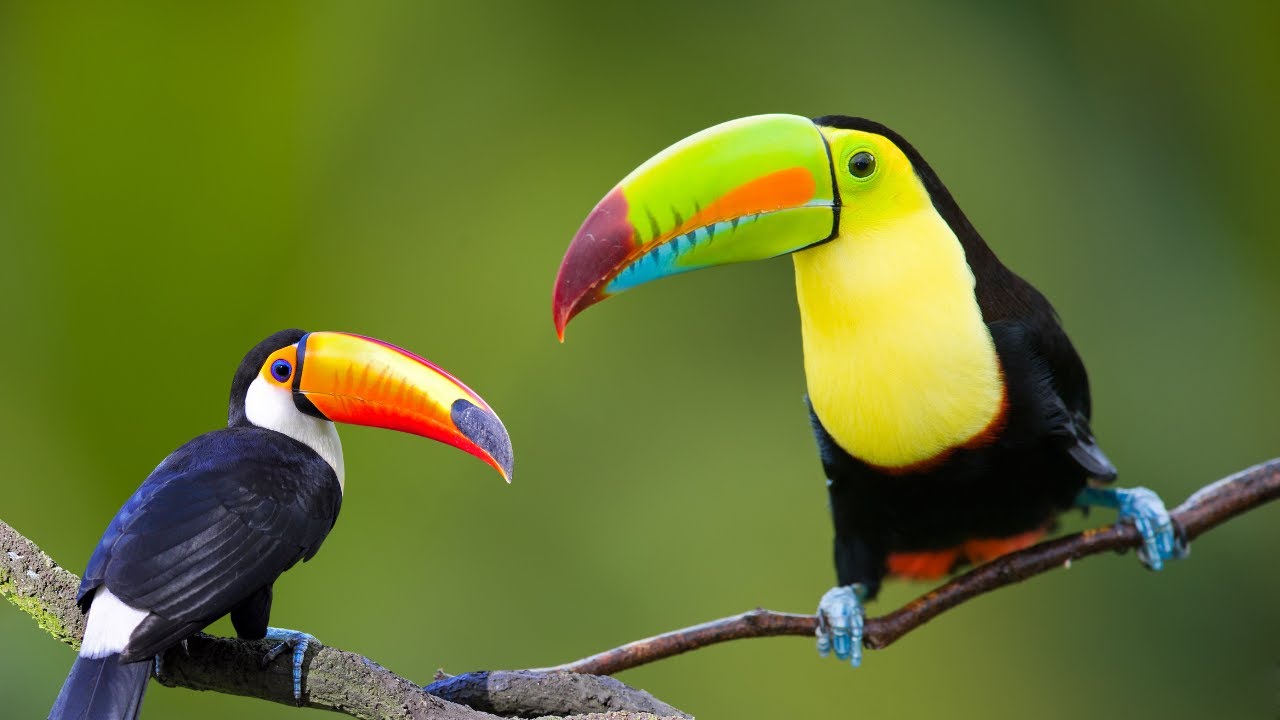
Toucans are one of the most colorful and interesting birds in the world. They are known for their large, bright beaks and vibrant feathers. These birds live mostly in the tropical rainforests of Central and South America. People often admire toucans because of their unique appearance and playful behavior.
Toucans belong to the bird family and are related to woodpeckers. They are small to medium-sized birds with strong, lightweight bodies. Their large beak, which can be almost as long as their body, is their most famous feature. Despite its size, the toucan’s beak is light and easy for the bird to carry.
In this article, we will explore everything about toucans in simple words, including their appearance, types, habitat, diet, behavior, reproduction, and their importance in nature.
What Is a Toucan?
A toucan is a colorful bird with a large, strong beak and bright feathers. Their beaks can be red, yellow, orange, green, or even multi-colored. The beak helps toucans reach fruits on branches that are too small to support their body weight.
Toucans are generally 20 to 60 centimeters long, depending on the species. They weigh between 150 grams to 700 grams. They have short wings and cannot fly long distances, but they can hop and glide easily between trees.
Their feathers are usually black with patches of bright colors on the chest, face, or tail. These colors help them hide in the rainforest canopy and communicate with other toucans.
Types of Toucans
There are more than 40 species of toucans. Some of the well-known ones are:
1. Toco Toucan
The Toco toucan is the largest and most famous type. It has a black body, white throat, and a bright orange beak. It lives in South American forests and savannas.
2. Keel-Billed Toucan
Also called the rainbow-billed toucan, it has a multi-colored beak with green, red, and yellow shades. It lives in Central America and southern Mexico.
3. Channel-Billed Toucan
This toucan has a mostly black body with a large yellow and black beak. It is found in tropical forests of South America.
4. Chestnut-Mandibled Toucan
It has a black body, yellow face, and a chestnut-colored beak. It is also found in Central and South America.
5. Collared Aracari
This small toucan has a red chest, green head, and black and yellow patterns on its body. It lives in tropical rainforests.
Where Do Toucans Live?
Toucans live mainly in the tropical rainforests of Central and South America. They prefer areas with plenty of trees because they spend most of their lives in the canopy.
Toucans do not build complex nests. They usually live in tree hollows, old woodpecker holes, or natural cavities in trees. These places protect them from predators and provide shelter for their young.
What Do Toucans Eat?
Toucans are omnivores, which means they eat both plants and animals. Their main diet consists of:
-
Fruits (most important)
-
Berries
-
Seeds
-
Insects
-
Small reptiles or bird eggs
Their large beak helps them reach fruits and pick food from branches far away. Toucans play an important role in the rainforest because they spread seeds, helping new trees grow.
Behavior of Toucans
Toucans are social and playful birds. They usually live in small flocks of 6 to 12 birds. These flocks travel together in search of food and protect each other from predators.
They are very vocal birds. Toucans use loud calls to communicate with each other. Their calls can sound like croaks, squawks, or rattles. These calls help them stay in touch in dense forests.
Toucans are also curious. They often hop and climb on branches, exploring their surroundings. Despite their large beak, they are careful and skillful when moving through trees.
Reproduction and Family Life
During the breeding season, toucans lay eggs in tree hollows. A female usually lays 2 to 4 eggs. Both parents take care of the eggs by keeping them warm and safe.
The eggs hatch after about 16 to 20 days. Baby toucans, called chicks, are born naked and blind. Parents feed them by regurgitating food into their mouths. Chicks grow quickly and leave the nest in a few weeks.
Are Toucans Dangerous?
Toucans are not dangerous to humans. They are peaceful and avoid conflict. Their beak may look scary, but it is used mostly for feeding and communication, not for attacking.
Toucans can defend themselves against small predators, but they rely on their speed, flock protection, and camouflage to stay safe.
Importance of Toucans in Nature
Toucans play an important role in rainforest ecosystems. By eating fruits and spreading seeds, they help forests grow and stay healthy. This benefits many other animals that rely on trees for food and shelter.
Toucans are also important for ecotourism. Many people travel to rainforests to see these colorful birds in the wild. Protecting toucans helps protect the entire rainforest ecosystem.
Toucans and Humans
Toucans are popular in culture and media because of their bright colors and unique beaks. They appear in cartoons, books, and souvenirs.
However, toucans face threats from humans. Deforestation, habitat loss, and the illegal pet trade affect their populations. Conservation programs and protected forests help toucans survive in the wild.
Interesting Facts About Toucans
-
Toucans cannot fly long distances but are excellent climbers and gliders.
-
Their large beak is light because it is made of keratin with hollow spaces inside.
-
Toucans use their beaks to reach fruit, attract mates, and defend themselves.
-
They are social birds and often live in small groups.
-
Baby toucans are fed by both parents.
-
Toucans are important for spreading seeds in the rainforest.
Conclusion
Toucans are colorful, playful, and fascinating birds of the rainforest. Their large beak, bright feathers, and social behavior make them unique among birds.
They play an important role in keeping rainforests healthy by spreading seeds and supporting the ecosystem. Toucans are peaceful animals that show the beauty and diversity of wildlife. Protecting them helps protect the rainforest and all the creatures that live there.
Learning about toucans reminds us how amazing and important every animal is in nature.
Read Also: Keep your face towards the sunshine and shadows will fall behind you
Watch Also: https://www.youtube.com/@TravelsofTheWorld24





Leave a Reply