
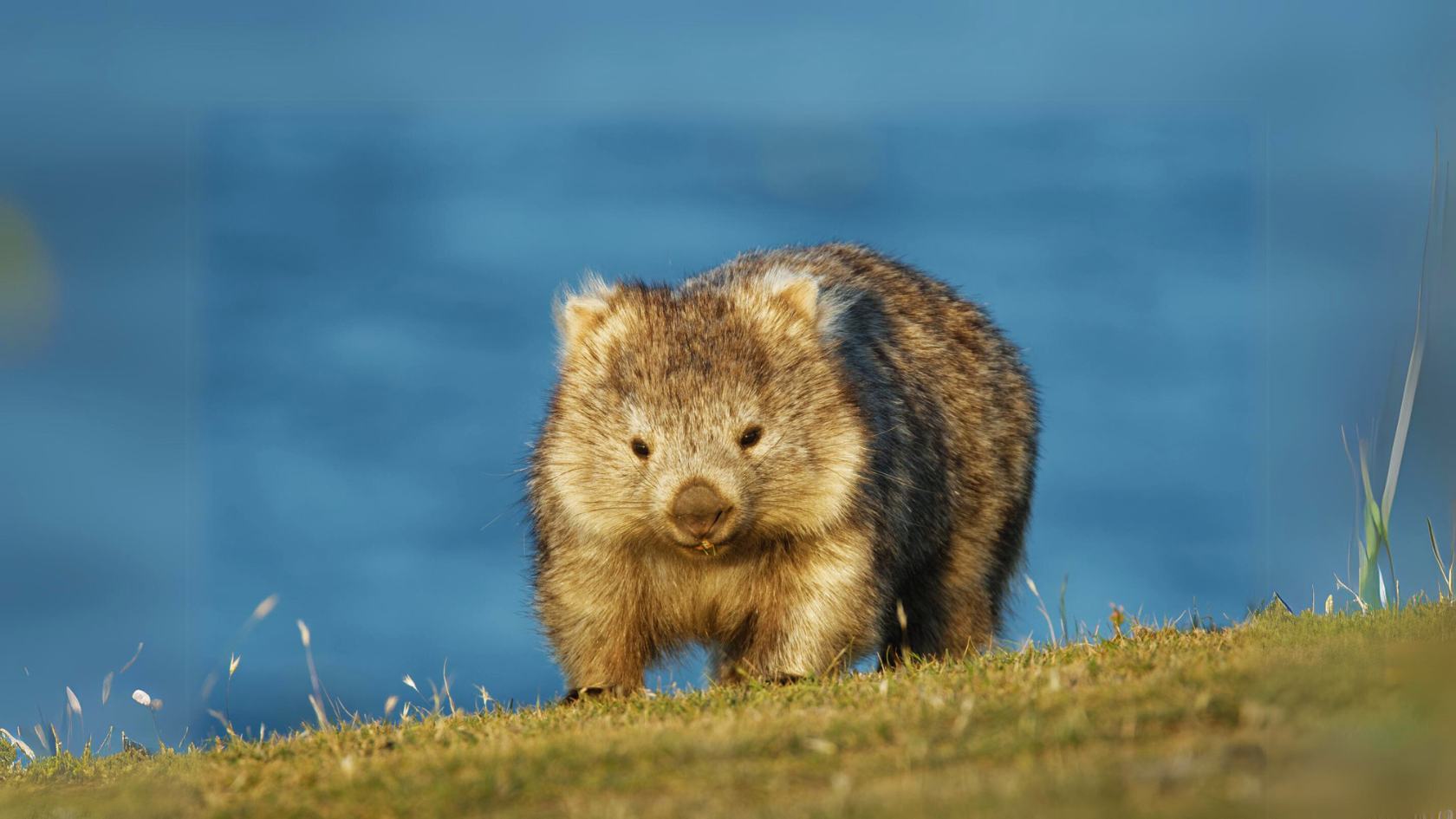
Wombats are one of the most interesting and unique animals in the world. They are small, furry, and look very cute, but they are also strong and tough. Wombats live only in Australia and are part of the marsupial family, which means they carry their babies in a pouch, just like kangaroos.
Even though wombats look slow and calm, they are very skilled at digging and surviving in the wild. They are mostly nocturnal, which means they are active at night and sleep during the day. In this article, we will learn about wombats in simple words, including their appearance, types, habitat, behavior, diet, and their role in nature.
What Is a Wombat?
A wombat is a small, short-legged animal with a round body and thick fur. They have strong claws and teeth for digging. Wombats are herbivores, which means they eat plants. Their teeth grow continuously, which helps them chew tough grasses and roots.
Adult wombats usually weigh between 20 to 40 kilograms and measure about 1 meter in length. They have a very strong body built for digging burrows. Wombats can live up to 15 years in the wild, and even longer in safe areas or wildlife sanctuaries.
Their fur can be brown, gray, or black, depending on the type of wombat and where it lives. They have small eyes and ears, and a nose that is sensitive to smell. This helps them find food and detect danger.
Types of Wombats
There are three main types of wombats in Australia:
1. Common Wombat
The common wombat is the largest and most widespread type. It lives in forests and grasslands of southeastern Australia. Common wombats are strong diggers and make large burrows underground.
2. Southern Hairy-Nosed Wombat
This wombat lives in dry areas of southern Australia. It has a hairy nose, which protects it from dust while digging. Southern hairy-nosed wombats eat dry grasses and leaves.
3. Northern Hairy-Nosed Wombat
This is the rarest wombat in the world. It lives in a small protected area in Queensland. Northern hairy-nosed wombats are critically endangered, with only a few dozen left in the wild. Conservation programs are helping protect them.
Where Do Wombats Live?
Wombats live in many parts of Australia, from forests to grasslands and even dry deserts. They make burrows underground, which help them stay safe from predators and extreme weather.
A wombat burrow can be very long and complex, with multiple tunnels and entrances. These burrows keep wombats cool during hot days and warm during cold nights. Sometimes, wombats even share their burrows with other wombats.
What Do Wombats Eat?
Wombats are herbivores. They mainly eat grasses, roots, bark, and leaves. Their teeth are strong and grow continuously, which helps them chew tough plants without wearing down their teeth.
Wombats have a slow metabolism, which means they do not need to eat very often. This helps them survive in dry areas where food is limited. Their digestion is very efficient, and they can extract most nutrients from the food they eat.
Behavior of Wombats
Wombats are mostly nocturnal. They sleep in their burrows during the day and come out at night to search for food. They are usually solitary animals, which means they prefer to live alone, but they may meet other wombats during mating season.
Wombats are very good diggers. Their strong claws and powerful body allow them to dig long burrows in soil and even hard ground. They can also run fast for short distances if they feel threatened.
Wombats have a unique defense mechanism. If a predator tries to attack them in their burrow, they block the entrance with their strong, round backside. This tough rear end protects them from most predators.
Reproduction and Family Life
Female wombats have a pouch to carry their babies. Wombat babies are called joeys. When a joey is born, it is very small and weak. It climbs into the mother’s pouch and stays there for about six months.
After leaving the pouch, the young wombat continues to stay close to its mother for another few months while it learns to find food and survive in the wild. Wombats usually have one baby at a time, and they reproduce once a year.
Are Wombats Dangerous?
Wombats are mostly gentle animals and avoid conflict. However, they can be dangerous if they feel threatened or cornered. They have strong claws and can bite if necessary.
Wombats can also run quickly over short distances, up to 40 kilometers per hour. This is faster than many people expect, considering their stocky appearance.
Importance of Wombats in Nature
Wombats play an important role in the ecosystem. Their burrows provide shelter for other animals like rabbits, snakes, and lizards. By digging and eating plants, wombats help maintain healthy grasslands and forests.
Wombats are also important for soil health. Their digging loosens the soil and helps water reach underground roots, which supports plant growth.
Wombats and Humans
Wombats are a symbol of Australian wildlife. They appear in stories, cartoons, and tourism campaigns. People love their cute and round appearance.
However, wombats face threats from humans. Habitat loss, road accidents, and climate change affect their population. Conservation programs and wildlife parks are working to protect wombats and their natural habitats.
Interesting Facts About Wombats
-
Wombats have a backward-facing pouch to prevent dirt from entering while digging.
-
They can run very fast for short distances.
-
Wombats have cube-shaped poop, which helps mark their territory without rolling away.
-
They are mostly nocturnal and sleep in burrows during the day.
-
Wombats are very strong diggers and can make burrows up to 30 meters long.
-
Northern hairy-nosed wombats are critically endangered, with very few left in the wild.
Conclusion
Wombats are unique, strong, and fascinating animals. They are small but tough, living in burrows and surviving in diverse Australian landscapes. With their strong digging skills, nocturnal habits, and cute appearance, wombats are truly special.
Protecting wombats is important for the ecosystem and for future generations to enjoy these amazing animals. By learning about wombats, we can understand how every creature, no matter how small, has an important role in nature.
Read Also: Keep your face towards the sunshine and shadows will fall behind you
Watch Also: https://www.youtube.com/@TravelsofTheWorld24





Leave a Reply