
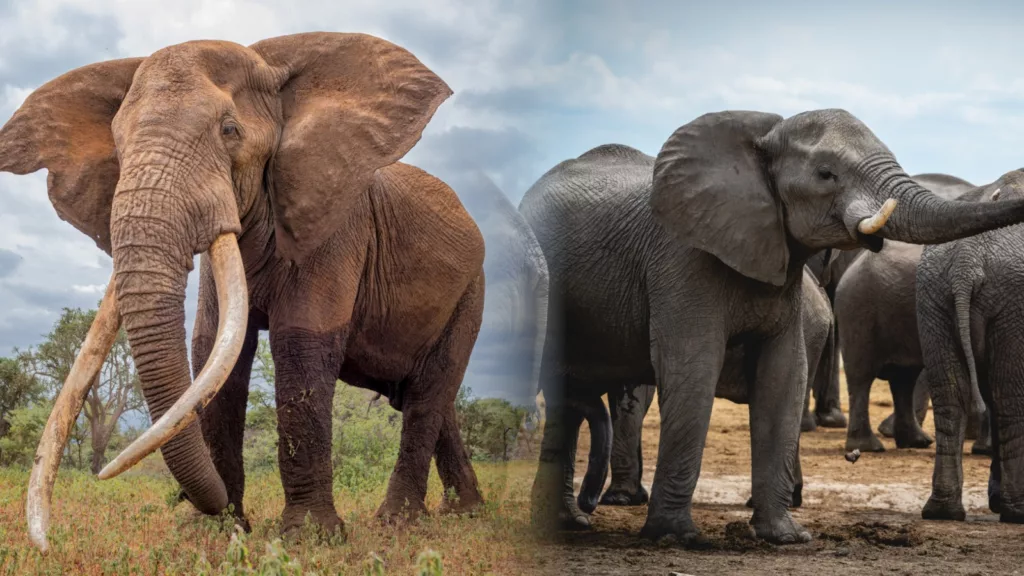
Elephants are the largest land animals on Earth. Known for their size, intelligence, and gentle nature, they are one of the most fascinating creatures in the animal kingdom. Elephants live in Africa and Asia and are recognized for their long trunks, big ears, and strong tusks. They are social, caring, and play a key role in their ecosystems.
In this article, we will explore everything about elephants in simple words. We will talk about their habitat, physical features, behavior, diet, family life, and their importance in nature.
Where Elephants Live
There are two main types of elephants: African elephants and Asian elephants.
-
African elephants are mostly found in savannas, grasslands, and forests of Africa. They have large ears shaped like the African continent.
-
Asian elephants live in forests and grasslands across India, Sri Lanka, Thailand, and other parts of Asia. Their ears are smaller, and they have a slightly different body shape.
Elephants need large areas with plenty of food and water. They often migrate seasonally to find fresh grass, water, and shelter.
Physical Appearance
Elephants are known for their enormous size. Adult African elephants can weigh up to 6,000 kilograms, while Asian elephants are slightly smaller, weighing up to 5,000 kilograms. Their height can reach 3 to 4 meters at the shoulder.
Elephants have thick, wrinkled skin that protects them from sunburn and insect bites. Their trunks are long, flexible, and strong, used for breathing, smelling, drinking, grabbing food, and even communicating.
Tusks are long teeth made of ivory. African elephants usually have larger tusks than Asian elephants. Tusks are used for digging, stripping bark from trees, and defending themselves.
Elephants have large, strong legs to carry their heavy bodies, and their large, flat feet help distribute weight so they can walk quietly despite their size.
Behavior and Social Life
Elephants are highly social animals. They live in herds, usually led by an older female called a matriarch. Herds often include mothers, daughters, and young elephants. Adult males usually live alone or form small groups called bachelor herds.
Elephants communicate using sounds, gestures, and even vibrations felt through the ground. They trumpet loudly when excited, alarmed, or communicating with others.
Elephants are intelligent and can remember places, other elephants, and water sources. They show emotions like joy, grief, and empathy. They are known to mourn their dead, covering the bodies with leaves and touching the bones gently.
Diet and Feeding
Elephants are herbivores, which means they eat only plants. They feed on grass, leaves, bark, fruits, and roots. An adult elephant can eat up to 150 kilograms of food in a single day.
They use their trunks to pull leaves, strip bark from trees, or pick up fruits from the ground. Elephants also drink a lot of water, sometimes up to 200 liters per day, and use their trunks to spray water on themselves to stay cool.
Elephants play a key role in maintaining ecosystems. By eating plants and spreading seeds through their dung, they help forests and grasslands grow.
Daily Life
Elephants spend most of their day eating, walking, and resting. They are active during the morning and late afternoon, resting during the hottest part of the day.
They enjoy bathing in water and mud. Mud helps protect their skin from the sun and insects. Mud baths are also fun for elephants, and they often splash and roll around.
Elephants are intelligent and curious. They explore their surroundings, investigate new objects, and sometimes interact playfully with other animals or humans.
Family Life and Babies
Elephants have strong family bonds. A female gives birth to a single calf after a pregnancy of about 22 months—the longest of any land animal.
Calves weigh around 100 kilograms at birth. They are protected by their mother and other herd members. The entire herd helps look after the young, teaching them how to find food, water, and protect themselves.
Young elephants stay with their mothers for many years, learning important survival skills.
Enemies and Threats
Elephants have few natural predators due to their size. Lions or tigers may attack young calves if the mother is not nearby.
The biggest threat to elephants comes from humans. Poaching for ivory, habitat destruction, and conflicts with farmers are major dangers. Deforestation and urbanization reduce the space elephants need to live and find food.
Conservation programs are helping protect elephants in national parks and reserves, but they still face many challenges.
Importance in Nature
Elephants are considered keystone species, meaning they have a huge impact on their environment.
-
They create clearings in forests by knocking down trees, which allows new plants to grow.
-
They dig water holes that other animals use during dry seasons.
-
By spreading seeds in their dung, they help plants reproduce and maintain healthy ecosystems.
Without elephants, many other animals and plants would struggle to survive.
Fun Facts About Elephants
Here are some interesting facts:
-
Elephants are the largest land animals on Earth.
-
Their trunks have over 40,000 muscles.
-
Elephants can communicate using sounds that humans cannot hear.
-
They can live up to 60–70 years in the wild.
-
Elephants have amazing memories and can remember water sources and migration paths.
-
They show empathy and are known to help injured or young elephants.
Conservation
Both African and Asian elephants are protected by international laws and wildlife reserves.
-
African elephants are classified as vulnerable, while Asian elephants are endangered.
-
Anti-poaching efforts and habitat protection are essential for their survival.
-
Ecotourism and education programs help raise awareness about the importance of elephants.
Protecting elephants is not only about saving one species—it is about preserving entire ecosystems.
Conclusion
Elephants are gentle giants, intelligent, social, and essential to nature. They roam forests, grasslands, and savannas, eating plants, spreading seeds, and creating habitats for other animals.
Their family bonds, long memory, and caring behavior make them unique among animals. Although humans have caused many threats to elephants, conservation efforts are helping protect these amazing creatures.
The elephant teaches us about strength, patience, intelligence, and the importance of caring for the natural world. Truly, they are one of the most remarkable animals on Earth.
Read Also: Keep your face towards the sunshine and shadows will fall behind you
Watch Also: https://www.youtube.com/@TravelsofTheWorld24













Leave a Reply