
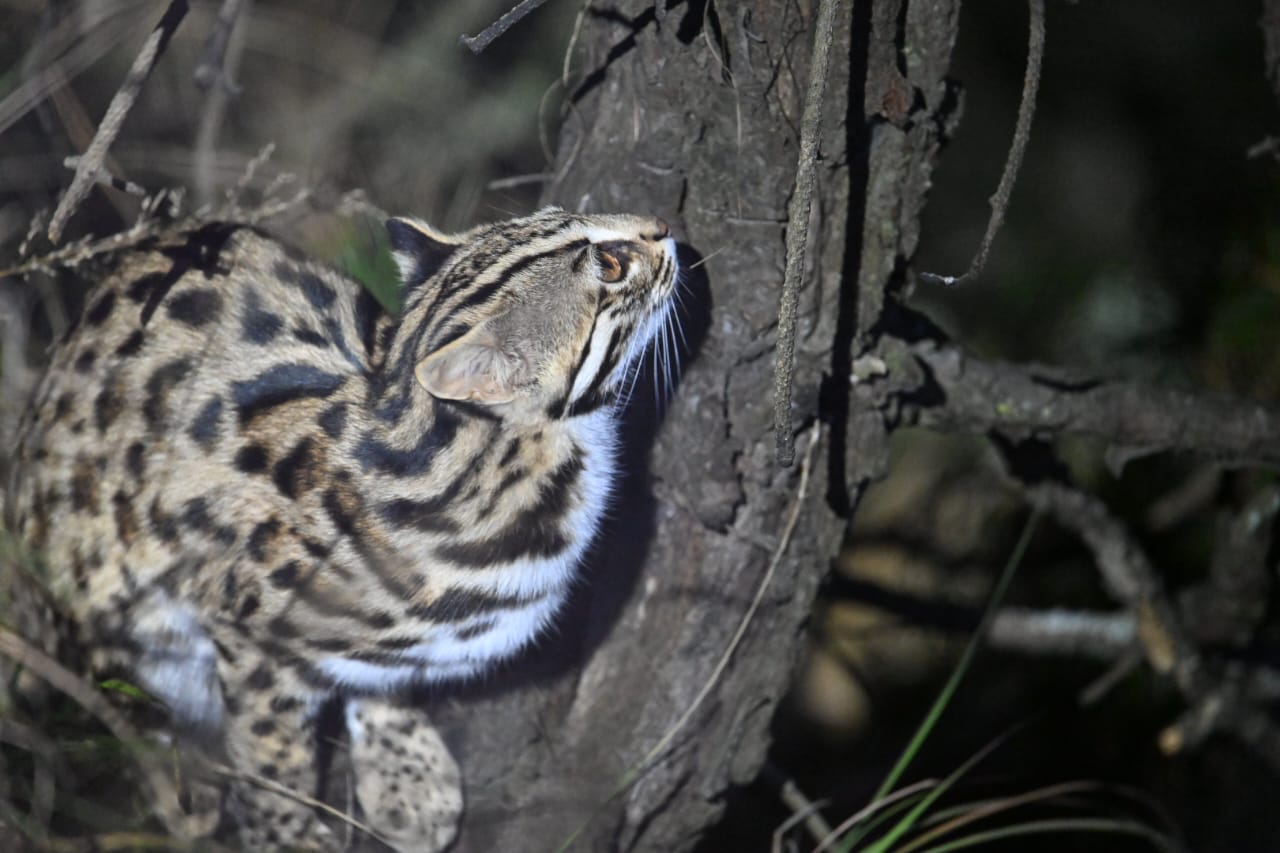
Wild cats are small to medium-sized carnivores that live in forests, grasslands, and deserts. Unlike domestic cats, wild cats are independent, strong, and excellent hunters. They have sharp claws, keen eyesight, and a powerful sense of smell that makes them perfect predators.
In this article, we will explore everything about wild cats in simple words. We will learn about where they live, their physical features, hunting skills, behavior, family life, and their role in nature.
Where Wild Cats Live
Wild cats are found in many parts of the world, including Africa, Asia, Europe, and the Americas. They can live in dense forests, open grasslands, deserts, and even mountains.
Each species of wild cat prefers a different habitat. For example, the African wildcat prefers savannas, the jungle cat lives near rivers and wetlands, and the sand cat survives in deserts.
Wild cats are very adaptable. They can live in areas where humans are present as long as there is food and shelter.
Physical Appearance
Wild cats are smaller than big cats like lions and tigers but are very agile. They have strong muscles, sharp teeth, and retractable claws for hunting.
Their fur is usually patterned or colored to help them blend into their surroundings. Common colors include brown, gray, or yellow with stripes or spots.
Most wild cats weigh between 2 to 15 kilograms depending on the species. They have long tails for balance and strong legs for running, jumping, and climbing trees.
Types of Wild Cats
There are many types of wild cats. Some well-known species include:
-
African Wildcat – Thought to be the ancestor of domestic cats. Found in savannas and deserts.
-
Jungle Cat – Lives near rivers and wetlands in Asia.
-
Serval – Has long legs and spots; found in Africa’s grasslands.
-
Sand Cat – Small desert cat adapted to dry, sandy areas.
-
Fishing Cat – Lives near water and hunts fish.
Each type of wild cat has unique skills and adaptations for survival in its habitat.
Behavior and Hunting
Wild cats are carnivores—they eat meat. Their diet includes birds, small mammals, insects, reptiles, and fish depending on their habitat.
They are excellent hunters. Wild cats use stealth and patience to approach prey quietly. Once they are close enough, they pounce and grab the prey with their sharp claws.
Most wild cats are solitary. They hunt alone and mark their territory using scent. Some species are active at night (nocturnal), while others hunt during the day.
Daily Life
Wild cats spend much of their time hunting, resting, or hiding. They climb trees to escape danger or to watch for prey.
When not hunting, they rest in dense vegetation, caves, or burrows. They are cautious animals, avoiding larger predators and humans whenever possible.
Wild cats are territorial. They patrol their area regularly and defend it against intruders.
Family Life and Babies
Wild cats usually mate once or twice a year. The female gives birth to 2 to 5 kittens after about 2 months of pregnancy.
Kittens are born blind and helpless. The mother hides them in a safe den and feeds them milk. She also teaches them hunting skills when they are old enough.
Young wild cats grow quickly. They start hunting small prey after a few months and eventually leave their mother to find their own territory.
Enemies and Threats
Wild cats have natural enemies like larger predators such as leopards, eagles, and snakes. Humans are also a big threat because of hunting, deforestation, and urbanization.
Habitat loss is one of the main reasons wild cat populations are declining in many areas. Some species are now protected in wildlife reserves and national parks.
Importance in Nature
Wild cats play an important role in ecosystems. They control the population of small animals like rodents and birds, helping maintain balance in nature.
By hunting weak or sick animals, wild cats contribute to the health of prey populations. They are also indicators of a healthy environment—if wild cats are present, the ecosystem is likely well-functioning.
Adaptations for Survival
Wild cats have several special adaptations:
-
Sharp claws and teeth – For hunting and defense.
-
Camouflage fur – Helps hide from predators and sneak up on prey.
-
Excellent eyesight – Especially in low light for nocturnal hunting.
-
Strong muscles and agility – For climbing, running, and jumping.
-
Keen sense of smell and hearing – To detect food and danger.
These adaptations make wild cats efficient hunters and survivors in diverse environments.
Fun Facts About Wild Cats
Here are some interesting facts:
-
Wild cats are usually solitary except during mating or raising kittens.
-
They can jump several times their body length.
-
Some wild cats, like the serval, have ears that detect the smallest movement of prey underground.
-
African wildcats are considered the ancestors of domestic cats.
-
Wild cats are very quiet hunters, making almost no sound while stalking prey.
-
They play an important role in controlling rodent populations.
Conservation
Many wild cat species are under threat due to habitat destruction, hunting, and human encroachment.
Conservation efforts include protecting habitats, creating wildlife reserves, and reducing human-wildlife conflict. Education programs also help people understand the importance of wild cats in nature.
Some species, like the sand cat and fishing cat, are rare and need special attention to survive in the wild.
Conclusion
Wild cats are small but powerful hunters of the wild. They are agile, fast, and very alert. Their sharp senses and hunting skills make them successful predators in forests, grasslands, and deserts.
Wild cats eat meat, live mostly alone, and play an important role in maintaining balance in nature. They are cautious animals, avoiding humans and larger predators, but are essential for healthy ecosystems.
Wild cats teach us about independence, patience, and survival. They may be smaller than big cats, but their strength, agility, and intelligence make them fascinating creatures of the wild.
Read Also: Keep your face towards the sunshine and shadows will fall behind you
Watch Also: https://www.youtube.com/@TravelsofTheWorld24












Leave a Reply