
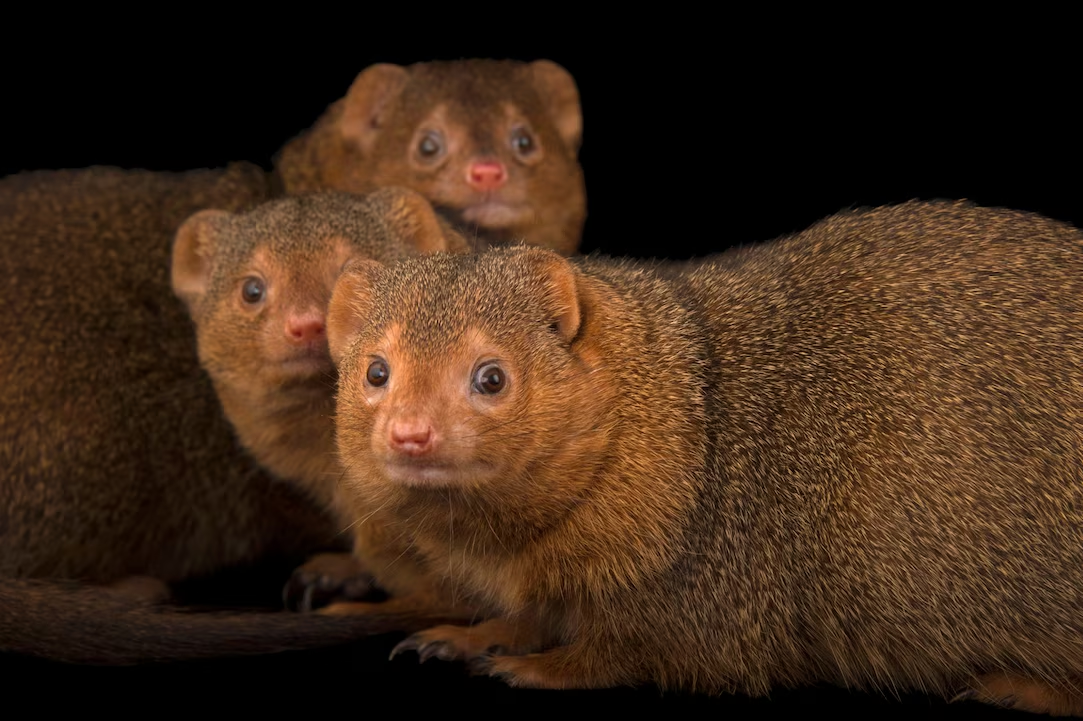
The mongoose is a small but very brave animal. Even though it is not very big, it is known for fighting and killing dangerous snakes like cobras. Because of this, many people see the mongoose as a symbol of courage and quick thinking. It may look simple and small, but it is smart, fast, and full of energy.
Mongooses live in different parts of the world. They are active during the day and are always busy searching for food. In this article, we will learn everything about the mongoose in very simple words. We will talk about where it lives, how it looks, what it eats, how it behaves, and why it is important in nature.
Where Mongooses Live
Mongooses are mostly found in Africa. Some types also live in parts of Asia and southern Europe. In countries like India, Pakistan, and Sri Lanka, mongooses are quite common, especially in villages and farms.
They can live in many kinds of places. Some live in forests, some in grasslands, and others in deserts. Many mongooses are not afraid of living near humans. They may live close to farms because there are many rats and snakes to eat.
Mongooses usually live in burrows. They either dig their own holes in the ground or use holes made by other animals. These burrows keep them safe from predators and bad weather.
Physical Appearance
Mongooses are small animals with long bodies and short legs. They have pointed noses, small ears, and long bushy tails. Their fur is usually brown, gray, or sandy in color. This helps them hide in dry grass and soil.
Most mongooses are about the size of a house cat. Their body length is usually between 20 to 60 centimeters, depending on the type. Their tail can also be long, sometimes almost as long as their body.
They have sharp teeth and strong jaws. Their claws are not very sharp like a cat’s, but they are strong enough for digging.
Mongooses have quick reflexes. This means they can move very fast and react quickly, which helps them in hunting and fighting.
Types of Mongooses
There are more than 30 different types of mongooses. Some of the most well-known types are:
-
Indian gray mongoose
-
Banded mongoose
-
Dwarf mongoose
-
Egyptian mongoose
The Indian gray mongoose is famous for fighting snakes. The banded mongoose has dark stripes across its back and often lives in large groups.
Even though they are different in size and color, most mongooses behave in similar ways.
Behavior and Social Life
Some mongooses live alone, while others live in groups. It depends on the species. For example, banded mongooses live in large groups that can have 10 to 30 members. Living in a group helps them stay safe from danger.
Group members work together. Some look for food while others watch for predators. If they see danger, they make warning sounds to alert others.
Mongooses are very active during the day. They spend most of their time searching for food. They are curious animals and are always exploring their surroundings.
They communicate using sounds, body movements, and smells. They may make small chirping or growling sounds.
Food and Hunting
Mongooses are meat-eaters, but they are also flexible. They eat insects, rats, mice, birds, eggs, lizards, frogs, and snakes. They may also eat fruits sometimes.
They are best known for killing snakes. When fighting a snake, the mongoose moves very quickly. It jumps around and waits for the right moment to bite the snake’s head. Its speed and quick reaction help it avoid snake bites.
Some people believe that mongooses are fully immune to snake venom. This is not completely true. They do have some resistance to venom, but their speed and thick fur are the main reasons they survive snake attacks.
Mongooses are very smart hunters. They use their strong sense of smell to find hidden prey. They may dig in the ground to catch insects or small animals.
Mongoose and Snakes
The fight between a mongoose and a snake is very famous. In many stories and even in real life, people have seen mongooses defeating cobras.
When a cobra spreads its hood and tries to scare the mongoose, the mongoose does not run away easily. It keeps moving around the snake very fast. When the snake gets tired or makes a mistake, the mongoose quickly bites it.
This brave behavior has made the mongoose very popular in many cultures.
Family Life and Babies
A female mongoose usually gives birth to 2 to 4 babies at a time. The babies are born in a safe burrow. They are very small and helpless at first.
The mother takes care of them and feeds them milk. In group-living species, other females may also help care for the babies. This teamwork increases the babies’ chances of survival.
Young mongooses grow quickly. After a few weeks, they start following adults and learning how to find food. They learn hunting skills by watching older members.
Enemies and Threats
Even though mongooses are brave, they also have enemies. Large birds like eagles, hawks, and owls may attack them. Big snakes and wild cats can also be dangerous.
Humans are also a threat. In some areas, mongooses are hunted for their fur. In other places, they are killed because people think they may harm poultry.
Habitat loss is another problem. When forests and grasslands are destroyed, mongooses lose their homes.
Importance in Nature
Mongooses are very important for the environment. They help control the population of rats and snakes. This is helpful for farmers because rats can destroy crops.
In many villages, people are happy to see mongooses because they reduce snake problems. They play a useful role in keeping the natural balance.
If mongooses disappear, the number of pests like rats may increase. This could create problems for humans and nature.
Mongoose in Stories and Culture
Mongooses are famous in many stories. One very popular story is “Rikki-Tikki-Tavi” by Rudyard Kipling. In this story, a brave mongoose protects a family from dangerous snakes.
Because of their courage, mongooses are often seen as symbols of bravery and protection.
In some cultures, people believe that having a mongoose near their home brings safety from snakes.
Lifespan
In the wild, mongooses usually live around 6 to 10 years. In zoos or protected areas, they may live longer because they are safe from predators and have regular food.
Their lifespan depends on their environment and safety.
Fun Facts About Mongooses
Here are some interesting facts:
-
There are more than 30 species of mongooses.
-
They are very fast and have excellent reflexes.
-
Some species live in large groups with teamwork.
-
They are famous for fighting cobras.
-
They can make different sounds to warn others of danger.
-
They sometimes stand on their back legs to look around.
Conservation
Most mongoose species are not in serious danger, but some types are at risk because of habitat loss. Protecting forests and natural lands is important for their survival.
In some countries, mongooses were introduced to control rats, but this caused problems. They sometimes harmed local wildlife. This shows that animals should live in their natural habitats.
Wildlife protection laws help keep mongooses safe in many regions.
Conclusion
The mongoose may be small, but it is one of the bravest animals in the wild. It is quick, smart, and fearless, especially when facing snakes. It lives in Africa and parts of Asia and can adapt to many environments.
Mongooses help nature by controlling pests like rats and snakes. They are active during the day and are always busy exploring and hunting. Some live alone, while others live in large groups with strong teamwork.
Even though they are strong and clever, they still face dangers from predators and human activities. Protecting their natural homes is important so they can continue to survive.
The mongoose teaches us that size does not always matter. Even a small animal can be brave and powerful. It is truly one of the most interesting and fearless creatures in the animal world.
Read Also: Keep your face towards the sunshine and shadows will fall behind you
Watch Also: https://www.youtube.com/@TravelsofTheWorld24





Leave a Reply