
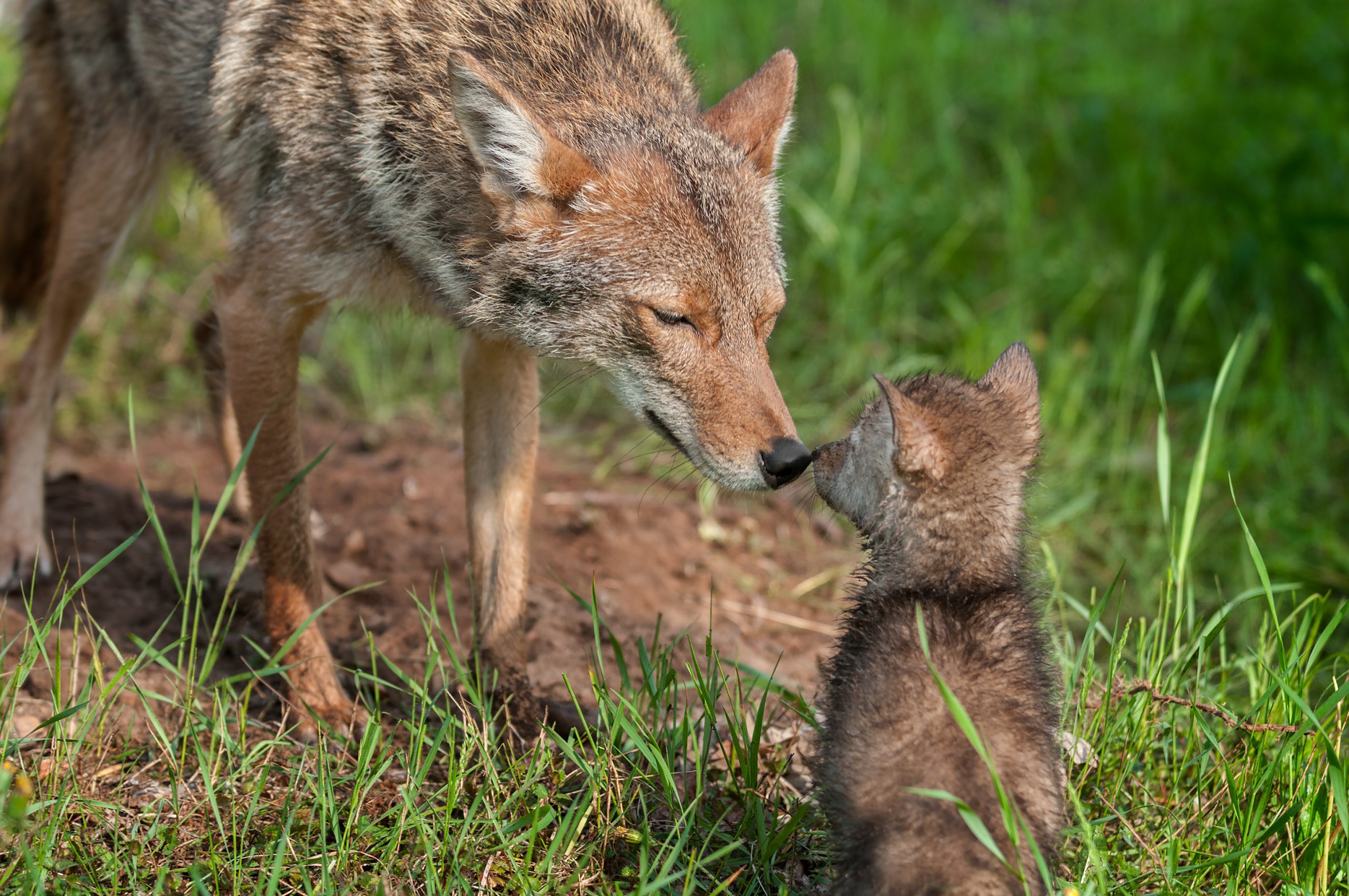
Coyotes are one of the most fascinating and adaptable animals in North America. Known for their intelligence, cunning behavior, and versatility, these creatures have captured the attention of people for centuries. They are found across the United States, Canada, Mexico, and even parts of Central America. From deserts to forests, cities to farmlands, coyotes have learned to survive almost anywhere, making them one of the most resilient mammals on the continent.
Appearance and Physical Traits
Coyotes are medium-sized mammals, smaller than wolves but larger than foxes. On average, an adult coyote weighs between 20 to 50 pounds, with a body length of about 3 to 4 feet, including their bushy tail. Their coat color can vary depending on their habitat, but most coyotes have a grayish-brown coat with a mix of red, black, and white fur. They have pointed ears, a narrow snout, and sharp eyes, giving them a keen sense of awareness that helps them hunt and avoid danger.
One interesting feature of coyotes is their tail, which is often held low while walking and can signal their mood or intentions. Their fur changes slightly with the seasons, becoming thicker in the winter to protect them from the cold and lighter in the summer to keep them cool. Coyotes are also known for their strong legs, which make them excellent runners. They can reach speeds of up to 40 miles per hour when chasing prey or fleeing threats.
Habitat and Distribution
Coyotes are extremely adaptable, which is why they live in a wide range of environments. Originally, they were mostly found in the central plains, deserts, and forests of North America. However, in the past century, their range has expanded significantly. Today, coyotes can be found in almost every U.S. state and across much of Canada and Mexico.
Their habitats include deserts, grasslands, forests, mountains, and even urban areas. Coyotes are often spotted in parks, suburbs, and near highways, showing that they can live close to humans without much difficulty. They create dens for shelter, which are usually located in hidden areas like under trees, in hollow logs, or underground burrows. Coyotes are highly territorial and often mark their territory with scent markings to warn other coyotes to stay away.
Behavior and Social Structure
Coyotes are very social animals, but their social structure is flexible. They can live alone, in pairs, or in small family groups called packs. Unlike wolves, which have strict pack hierarchies, coyotes have a more relaxed social order. Their communication is complex and includes howls, yips, barks, growls, and body language. Howling is often used to communicate with other coyotes, mark territory, or coordinate hunting.
Coyotes are mostly active at night, which makes them nocturnal, but they can also be seen during the day, especially in areas where humans are present. Their diet is highly varied, and they are considered omnivores. This means they eat both meat and plants. They hunt small animals like rabbits, rodents, birds, and insects, but they also eat fruits, berries, and even garbage in urban areas. This adaptability in diet is one of the reasons coyotes have been so successful in spreading across North America.
Hunting and Diet
Coyotes are skilled hunters, using both stealth and speed to catch their prey. They rely on their sharp senses of smell, hearing, and sight to locate food. Coyotes often hunt alone or in pairs but can also work together in packs when targeting larger prey. Their diet is highly flexible, changing based on the season and availability of food.
In the wild, coyotes mainly feed on small mammals like rabbits, mice, squirrels, and groundhogs. They are also known to hunt birds, amphibians, and reptiles. During the fall and winter, they eat more fruits and vegetables, such as berries, apples, and corn. In urban areas, coyotes often scavenge human food, including garbage, pet food, and roadkill. This opportunistic feeding behavior has helped them survive in both natural and human-dominated environments.
Reproduction and Life Cycle
Coyotes usually breed once a year, during late winter or early spring. The female gives birth to a litter of 4 to 7 pups after a gestation period of about 63 days. The pups are born blind and helpless, relying entirely on their mother for food and protection.
Both parents are involved in raising the pups. The father helps by bringing food to the den and protecting the family. The pups stay with their parents for several months, learning hunting skills and social behaviors before leaving to establish their own territories. Coyotes can live up to 10 years in the wild, but many face threats from humans, predators, disease, and harsh weather.
Adaptability and Survival Skills
One of the most remarkable traits of coyotes is their adaptability. They can live in almost any environment, eat a wide variety of foods, and adjust their behavior based on circumstances. Coyotes are intelligent problem-solvers, capable of finding creative ways to access food, avoid traps, and navigate human-dominated landscapes.
For example, urban coyotes have learned to cross roads carefully, avoid busy areas during the day, and hunt rodents around homes. In the wild, they are masters at stealth, often hunting under cover of darkness and using clever tactics to catch their prey. This adaptability has allowed them to survive despite the expansion of cities, agriculture, and other human activities that have reduced natural habitats for many animals.
Interaction with Humans
Coyotes have a complex relationship with humans. In some cultures, they are admired for their intelligence and cunning, often appearing in folklore as tricksters. Native American stories often depict coyotes as clever animals capable of outsmarting others.
However, coyotes can also be seen as a threat to livestock, pets, and sometimes even humans. Farmers may lose chickens or small livestock to coyote attacks, and pet owners need to be careful in areas where coyotes are present. Despite these conflicts, coyotes rarely attack humans. Most encounters involve curiosity or scavenging for food rather than aggression.
Communities across North America have developed ways to coexist with coyotes. Measures like secure trash bins, fencing, and keeping pets indoors help reduce conflicts. Education is also important, as understanding coyote behavior can prevent unnecessary fear or harm to these animals.
Ecological Importance
Coyotes play a vital role in ecosystems. As predators, they help control populations of small mammals, which in turn affects the growth of plants and the balance of the food chain. By keeping prey populations in check, coyotes prevent overgrazing and help maintain healthy habitats.
They also help clean the environment by scavenging dead animals. This reduces the spread of disease and recycles nutrients back into the ecosystem. In some areas, coyotes even help control the numbers of other predators, like foxes or raccoons, contributing to a balanced ecological system.
Threats and Conservation
While coyotes are highly adaptable, they still face threats. Habitat loss, hunting, trapping, and vehicle collisions can reduce their numbers in certain regions. Coyotes are often targeted by humans because of conflicts with livestock or fear of attacks, but these measures rarely eliminate them completely due to their resilience and reproductive capacity.
Coyotes are not considered endangered and are classified as a species of “Least Concern” by conservation organizations. In fact, their populations are growing in many areas, especially urban regions where they find plenty of food. Conservation efforts focus more on managing human-coyote interactions rather than protecting the species itself.
Interesting Facts About Coyotes
-
Coyotes are sometimes called “prairie wolves” because of their resemblance to wolves, though they are smaller and more slender.
-
They are known for their eerie, high-pitched howls that can be heard over long distances at night.
-
Coyotes can run up to 40 miles per hour, making them one of the fastest land animals in North America.
-
Their diet can include over 200 different types of food, from rabbits to berries, insects, and even trash in cities.
-
Coyotes are excellent swimmers, capable of crossing rivers or lakes if necessary.
-
They often adopt a “survival by flexibility” approach, which means they adjust their behavior, diet, and territory based on changing conditions.
Coyotes in Culture and Media
Coyotes have a long history in human culture. In Native American folklore, they are often depicted as tricksters, clever and sometimes mischievous, teaching important lessons about life, patience, and intelligence. In modern media, coyotes appear in movies, books, and cartoons, often symbolizing cunning, survival, and adaptability.
Some famous stories include the coyote as a character who outsmarts larger animals or humans, demonstrating wit and resourcefulness. This cultural presence has helped people appreciate coyotes beyond their role in nature, seeing them as symbols of cleverness and resilience.
Coexisting With Coyotes
Living alongside coyotes is possible if humans take some precautions. Securing garbage, keeping pets inside or on a leash, and avoiding feeding wild coyotes are simple steps that reduce conflicts. Communities can also educate residents about coyote behavior, teaching them to respect these animals while protecting their own property and safety.
Observing coyotes from a distance can be a rewarding experience. Their intelligence, social behavior, and survival skills make them fascinating to watch. Unlike some predators, coyotes rarely pose a direct threat to humans if proper precautions are taken.
Conclusion
Coyotes are remarkable creatures. Their intelligence, adaptability, and resourcefulness have allowed them to thrive across North America, even in areas heavily altered by humans. They play an important role in ecosystems, controlling populations of small animals and contributing to a balanced environment.
Despite being misunderstood or feared by some, coyotes are survivors, symbols of cleverness and resilience. Understanding and respecting them can help humans and coyotes coexist peacefully, ensuring that these fascinating animals continue to thrive for generations to come.
From the deserts of Arizona to the forests of Canada, from quiet rural areas to bustling cities, the coyote remains a constant reminder of nature’s adaptability and the power of survival.
Read Also: Keep your face towards the sunshine and shadows will fall behind you
Watch Also: https://www.youtube.com/@TravelsofTheWorld24











Leave a Reply