
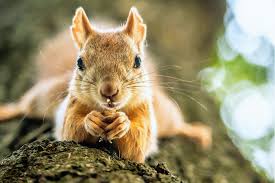
Squirrels are small, lively animals that are found in forests, parks, and even cities all around the world. They are known for their quick movements, bushy tails, and love for climbing trees. Squirrels are playful and curious, often seen jumping from branch to branch, searching for food, or storing nuts for later.
Even though they are small, squirrels are very smart. They have excellent memory and problem-solving skills. Watching a squirrel move around is always fun because of their speed and energy.
Where Squirrels Live
Squirrels live almost everywhere in the world except deserts and very cold places. They prefer areas with plenty of trees, which give them food and places to hide.
Some common places where squirrels live include:
-
Forests and woodlands
-
Parks and gardens
-
Urban areas with trees
-
Mountains and grasslands
Tree squirrels make their homes in hollow trees or build nests called dreys using twigs, leaves, and moss. Ground squirrels live in burrows underground to stay safe from predators.
Physical Appearance
Squirrels are small mammals with long, bushy tails and strong legs for climbing. Their fur can be brown, gray, red, or black, depending on the species.
Squirrels have sharp claws and strong teeth. Their teeth grow continuously, which helps them chew nuts, seeds, and bark without wearing out. Their large eyes are positioned on the sides of their head, giving them a wide field of vision to spot predators.
The bushy tail is not just for show—it helps them balance while jumping, keeps them warm in winter, and can signal danger to other squirrels.
What Squirrels Eat
Squirrels are mainly herbivores, though some eat insects occasionally. Their diet includes:
-
Nuts like acorns, walnuts, and hazelnuts
-
Seeds and grains
-
Fruits and berries
-
Leaves and buds
-
Bark and tree sap
Squirrels are known for their habit of storing food. They hide nuts and seeds in the ground or in tree crevices. This behavior is called caching, and it helps them survive when food is scarce in winter.
Some of the nuts they forget to retrieve grow into new plants, making squirrels important for forest growth.
Squirrel Behavior
Squirrels are active during the day, which makes them diurnal. They are very social and communicate with sounds, tail movements, and scents.
Tree squirrels are excellent climbers and jumpers. They can leap several feet from branch to branch and can even jump straight down from a high tree without getting hurt.
Ground squirrels dig burrows to live and hide from predators. Their burrows are usually complex, with multiple entrances and chambers for sleeping, storing food, and raising young.
Predators and Defense
Squirrels have many predators, including:
-
Birds of prey like hawks and owls
-
Snakes
-
Foxes, coyotes, and wild cats
-
Humans (in some areas)
Squirrels rely on speed, agility, and their sharp senses to escape. They can climb trees quickly, jump to safety, and hide in small spaces predators cannot reach.
They also use their tails to distract predators. When chased, a squirrel may flick its tail or drop it in a way that confuses the attacker, giving it time to escape.
Reproduction and Baby Squirrels
Squirrels usually breed once or twice a year depending on the species. The female gives birth to 2 to 8 babies, called kits or pups, after a gestation period of about 30 to 45 days.
The babies are born blind and hairless. The mother takes care of them in a nest or burrow, feeding them and keeping them safe. After a few weeks, the young squirrels open their eyes, grow fur, and start exploring outside the nest.
Young squirrels learn to climb, forage, and hide from predators by watching their mother. They become independent after a few months.
Adaptations for Survival
Squirrels have many adaptations that help them survive:
-
Strong claws and legs – For climbing and jumping.
-
Sharp teeth – For chewing nuts, seeds, and bark.
-
Excellent vision and hearing – To spot predators.
-
Bushy tail – For balance, warmth, and signaling danger.
-
Food caching – Storing food helps them survive winters.
-
Agility and speed – To escape predators quickly.
These skills make squirrels some of the most energetic and adaptable small mammals in the world.
Squirrels and Seasons
Squirrels’ behavior changes with the seasons:
-
Spring and Summer – Active, breeding season, lots of food.
-
Autumn – Collecting and storing nuts for winter.
-
Winter – Less active, rely on stored food, stay warm using their tails.
Even in winter, squirrels remain alert and can travel through snow to find buried nuts.
Importance in Nature
Squirrels play a key role in forests and ecosystems. By burying nuts and forgetting some, they help new trees grow. This is called seed dispersal, and it makes squirrels important for forest regeneration.
They are also prey for many predators, helping maintain the balance of nature. Squirrels’ activities influence both plant and animal life around them.
Interesting Facts About Squirrels
-
Squirrels can jump up to 10 feet between branches.
-
Some species, like the flying squirrel, can glide through the air using a membrane between their legs.
-
They have excellent memories and can remember the locations of hundreds of buried nuts.
-
Squirrels’ teeth never stop growing.
-
They can eat foods that are poisonous to other animals, like some acorns.
-
Squirrels are very playful and curious animals, often interacting with other squirrels and their environment.
Types of Squirrels
There are many species of squirrels worldwide. Some of the common types include:
-
Tree Squirrels – Live in trees, very agile and active.
-
Ground Squirrels – Live in burrows, more social.
-
Flying Squirrels – Can glide from tree to tree using a special membrane.
-
Red Squirrels – Small tree squirrels found in Europe and Asia.
-
Gray Squirrels – Common in North America.
Each type has unique habits but all are fast, alert, and excellent climbers.
Squirrels and Humans
Squirrels often live near humans, especially in parks and gardens. People enjoy watching them gather nuts and leap between trees.
However, squirrels can sometimes cause problems by chewing wires, raiding bird feeders, or damaging crops. Even so, they are mostly harmless and are admired for their energy and cleverness.
Squirrels are also part of culture and folklore in many countries, symbolizing preparation, agility, and curiosity.
Why Squirrels Are Special
Squirrels are special because of their energy, intelligence, and adaptability. They survive in forests, cities, and mountains. Their playful behavior and skillful movements make them fascinating to watch.
They are also important for nature. By spreading seeds and being part of the food chain, squirrels help forests grow and thrive.
Watching a squirrel leap between branches or store food is a reminder of how animals adapt to their environment and live in harmony with nature.
Conclusion
Squirrels are small, agile, and clever animals that play a big role in nature. They live in trees, on the ground, and sometimes even near humans. They eat nuts, seeds, fruits, and other plants and store food to survive winters.
Squirrels are energetic, curious, and highly intelligent. They are key to forest growth because they help spread seeds. They are also prey for many predators, which keeps the ecosystem balanced.
From tree-climbing acrobats to clever food storers, squirrels are truly fascinating creatures. Their presence in forests and parks adds life, energy, and beauty to the world of wildlife.
Read Also: Keep your face towards the sunshine and shadows will fall behind you
Watch Also: https://www.youtube.com/@TravelsofTheWorld24





Leave a Reply