
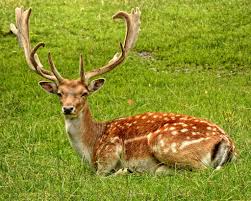
Deer are some of the most graceful and beautiful animals in the world. They are known for their gentle nature, long legs, and delicate features. Deer live in forests, grasslands, and even near mountains. They are herbivores, which means they eat plants, leaves, fruits, and grasses.
Deer are found all over the world. They are admired for their beauty and calmness. People often see deer as symbols of peace, gentleness, and nature.
Where Deer Live
Deer are very adaptable and live in many types of habitats. Some live in dense forests, while others live in open plains, grasslands, and even snowy mountains.
Different species of deer live in different regions:
-
White-tailed Deer – Common in North America.
-
Red Deer – Found in Europe and parts of Asia.
-
Sika Deer – Found in East Asia.
-
Roe Deer – Found in Europe.
-
Mule Deer – Found in western North America.
Deer prefer areas with plenty of plants and trees, which give them food and cover from predators. They are very good at hiding and can move quietly to avoid danger.
Physical Appearance
Deer are medium-sized mammals. They have long legs, a slender body, and large eyes that help them watch for danger. Their ears are also long and can move in different directions to hear sounds clearly.
One of the most famous features of deer is the antlers. Only male deer usually have antlers, and they grow new ones every year. Antlers are used to fight other males during the mating season and to show strength.
Deer fur changes with seasons. In summer, their fur is usually reddish-brown, and in winter, it becomes grayish or darker to keep them warm. Their tails are short and often used to signal danger to other deer.
What Deer Eat
Deer are herbivores. They eat a variety of plants depending on the season and what is available. Their diet includes:
-
Grass
-
Leaves
-
Fruits
-
Flowers
-
Twigs and small branches
-
Nuts and berries
Deer spend a large part of their day eating. They have a special stomach with four chambers that helps them digest tough plant material. This allows them to get nutrients from leaves and grasses that are hard to digest.
Deer Behavior
Deer are mostly active during early morning and late evening. This is called being crepuscular. Being active at these times helps them avoid predators and find food.
Deer are social animals and often live in groups called herds. Female deer and their young usually stay together, while males may live alone or form small male groups.
Deer communicate using body language, sounds, and scents. For example, a deer may stomp its hooves or flick its tail to warn others of danger.
Predators and Defense
Deer have many predators depending on where they live. Common predators include:
-
Wolves
-
Bears
-
Lions (in Africa and Asia)
-
Tigers (in Asia)
-
Humans
Deer use their speed and agility to escape. They can run very fast, leap over obstacles, and hide in dense vegetation. Their large eyes and ears help them detect danger early.
When threatened, deer often alert others in the herd. Young deer, called fawns, have white spots on their fur that help them blend into the surroundings. This camouflage keeps them safe from predators.
Reproduction and Baby Deer
Deer mate during a special season called the rut. During this time, males compete for females using their antlers and strength.
Female deer give birth to one or two fawns after about six to eight months of pregnancy. Fawns are born with white spots, which fade as they grow older.
The mother takes care of her fawn, feeding it and keeping it hidden from predators. Fawns grow quickly and can walk within hours of being born. They stay with their mother for several months before learning to survive on their own.
Adaptations for Survival
Deer have many adaptations that help them survive in different environments:
-
Camouflage – Their fur blends with the forest and grasslands.
-
Speed and Agility – They can run fast and jump over obstacles.
-
Sharp Senses – Large eyes, ears, and a keen sense of smell help detect danger.
-
Antlers – Used by males to fight during mating season.
-
Four-Chambered Stomach – Helps digest tough plant material.
These adaptations make deer successful and widespread animals around the world.
Deer in Different Seasons
Deer behavior changes with the seasons.
-
Spring and Summer – They eat fresh plants and give birth to fawns.
-
Autumn – Males grow antlers and compete for mates. Deer eat more to prepare for winter.
-
Winter – Deer move slowly and eat whatever food is available. They rely on stored fat to survive cold weather.
Seasonal changes also affect their fur color. Winter fur is thicker and darker, while summer fur is lighter.
Importance in Nature
Deer play a vital role in the ecosystem. They help control plant growth by eating leaves and grasses. This allows new plants to grow and supports other animals that depend on vegetation.
Deer are also prey for many predators. Their presence ensures a balance in the food chain. Without deer, predator populations could decline, and plant growth could become excessive.
Deer and Humans
Deer have been important to humans for thousands of years. They are hunted for meat, antlers, and hides. Many cultures see deer as symbols of grace, peace, and natural beauty.
In some countries, deer are protected and can be seen in national parks and wildlife reserves. Ecotourism around deer helps protect forests and provides income to local communities.
Humans must respect deer and their habitats. Overhunting and deforestation are major threats to deer populations.
Interesting Facts About Deer
-
Deer can run up to 35 miles per hour.
-
Fawns have white spots for camouflage.
-
Only male deer grow antlers, which are shed and regrown every year.
-
Deer communicate using sounds, scents, and body movements.
-
They are herbivores but eat a variety of plants.
-
Some deer species, like reindeer, are adapted to very cold climates.
Deer Species Around the World
There are over 90 species of deer worldwide. Some well-known species include:
-
White-tailed Deer – Common in North America.
-
Red Deer – Found in Europe and parts of Asia.
-
Sika Deer – Found in East Asia.
-
Roe Deer – Small deer in Europe.
-
Elk (Wapiti) – One of the largest deer species.
-
Reindeer (Caribou) – Adapted to Arctic regions.
Each species has unique features, but all deer share graceful movements, alert senses, and herbivorous diets.
Why Deer Are Special
Deer are special because they are gentle, beautiful, and important for nature. Their graceful movements and calm behavior make them a favorite among wildlife watchers.
They teach us about balance in nature. As prey animals, they support predators. By eating plants, they also help forests and grasslands grow healthy.
Deer are admired worldwide, and seeing them in the wild is always a peaceful and unforgettable experience.
Conclusion
Deer are among the most graceful and adaptable animals on Earth. They live in forests, grasslands, mountains, and even cold regions. With their long legs, sharp senses, and beautiful antlers, deer are perfectly designed to survive and thrive.
They are herbivores that eat a variety of plants and play a key role in the ecosystem. Deer live in herds, protect their young, and escape predators using speed and agility.
Humans have always admired deer for their beauty and calm nature. Protecting their habitats ensures that future generations can continue to enjoy these gentle creatures.
Deer are symbols of peace, nature, and balance. They remind us of the beauty of wildlife and the importance of living in harmony with the natural world.
Read Also: Keep your face towards the sunshine and shadows will fall behind you
Watch Also: https://www.youtube.com/@TravelsofTheWorld24





Leave a Reply