
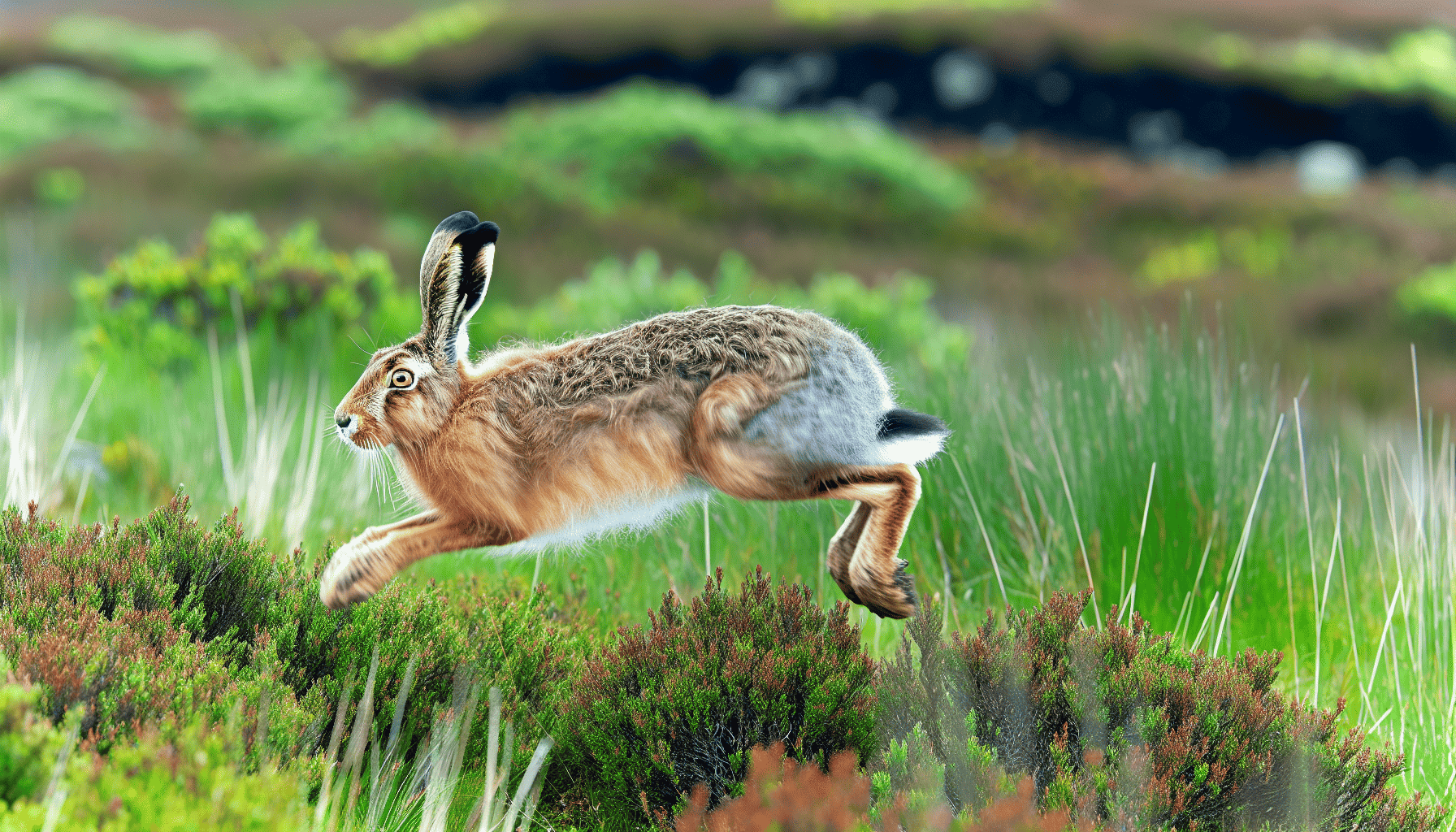
The Irish hare is one of the most special animals found in Ireland, a beautiful country in Europe. It is not just an animal of the fields and hills, but also a strong symbol of Irish nature, history, and folklore. The Irish hare is different from other hares in Europe because it has lived in Ireland for thousands of years and has adapted to the land in its own unique way.
Many people in Ireland grow up seeing hares running across open fields, especially early in the morning or late in the evening. Watching an Irish hare move so fast and freely is a moment that stays in memory. It represents the wild spirit of the Irish countryside.
What Is an Irish Hare?
The Irish hare is a large wild hare that belongs only to Ireland. It is closely related to the mountain hare, but over time it became its own kind because Ireland is an island. This separation helped the hare develop features that suit Ireland’s weather and land.
Irish hares are known for their long legs, strong bodies, and big eyes. These features help them run very fast and stay alert to danger. They do not live in holes like rabbits. Instead, they rest in shallow dips in the ground called forms, where they stay hidden during the day.
How the Irish Hare Looks
The Irish hare has thick brown or grey fur, which helps it blend into grass, soil, and rocks. In winter, the fur becomes thicker to protect it from cold and rain. Unlike some other hares, the Irish hare does not turn white in winter.
It has long ears with dark tips and powerful back legs. These legs allow it to jump far and run at high speed when escaping danger. Its eyes sit on the sides of its head, helping it see almost all around without turning its head.
Where Irish Hares Live
Irish hares are found all across Ireland, from open farmland to hills, bogs, grasslands, and coastal areas. They prefer wide open spaces where they can see danger coming from far away.
Farmland with hedges and grassy fields is a favorite place for them. Bogs and moorlands are also important homes, especially in quieter areas. Irish hares usually avoid busy towns and cities, but sometimes they can be seen on the edges of villages.
Daily Life and Behavior
Irish hares are mostly active during early morning and evening. During the day, they rest quietly in their forms, staying still to avoid being seen. Their fur color helps them hide very well.
When disturbed, an Irish hare can suddenly burst into fast movement. It runs in a zigzag way to confuse predators. Watching a hare run is impressive because of its speed and sharp turns.
They usually live alone, not in groups. However, during certain times of the year, many hares can be seen together in the same area.
What Irish Hares Eat
The Irish hare is a plant eater. It feeds on grass, herbs, leaves, and crops. In winter, when fresh food is harder to find, it eats bark, twigs, and roots.
They often come out to feed at dusk and during the night when it is quieter and safer. Their feeding helps shape the natural landscape by keeping plant growth balanced.
Breeding and Young Hares
The breeding season of the Irish hare usually starts in late winter and spring. During this time, males chase females across fields in fast and playful runs. This behavior is sometimes called “boxing” when hares stand on their back legs and push each other.
Female hares give birth to babies called leverets. Unlike baby rabbits, leverets are born with fur and open eyes. They can move shortly after birth. The mother hides them in grass and returns to feed them.
This way of raising young helps protect them from predators.
Irish Hare in Irish Culture
The Irish hare has a deep place in Irish folklore and tradition. In old stories, hares were believed to be magical animals. Some tales say that witches could turn into hares, while others say hares carried messages from the spirit world.
Because of these beliefs, many people respected hares and avoided harming them. Even today, the hare is seen as a symbol of mystery, freedom, and ancient Ireland.
The hare also appears in Irish poetry, songs, and artwork. It represents the close bond between Irish people and their land.
Natural Enemies and Dangers
Irish hares face danger from foxes, birds of prey, and sometimes dogs. Their main defense is speed and sharp senses.
In modern times, the biggest threats come from humans. Loss of natural land, changes in farming, busy roads, and climate changes all affect hare numbers. Cars are a major danger, especially at night.
Because Ireland has fewer natural predators than mainland Europe, human impact plays a bigger role in the hare’s survival.
Protection and Conservation
The Irish hare is protected by law in Ireland. Hunting is controlled, and in some areas it is not allowed at all. Conservation groups work to study hare numbers and protect their habitats.
Farmers also play an important role. Leaving field edges wild, keeping hedges, and avoiding heavy chemicals help hares survive. Many people now understand that protecting wildlife is part of protecting Ireland’s future.
Education programs help children learn about the Irish hare so they grow up caring about nature.
Irish Hare vs Rabbit
Many people confuse hares with rabbits, but they are very different. Irish hares are larger, faster, and live above ground. Rabbits dig burrows and live in groups.
Hares are also more independent and wild. They do not adapt easily to living near humans like rabbits do. This makes them a true symbol of untouched nature.
Seeing an Irish Hare
If you want to see an Irish hare, the best time is early morning or sunset. Quiet countryside roads, open fields, and hills are good places.
It is important to watch from a distance. Loud noise or chasing can stress the animal. Even a short sighting can feel special because the Irish hare is shy and alert.
Many people feel lucky when they spot one standing still before suddenly running away.
Why the Irish Hare Matters
The Irish hare is more than just an animal. It is a sign of healthy land and balanced nature. Where hares live well, the environment is usually in good condition.
It also connects modern Ireland to its past. From ancient stories to today’s fields, the hare has always been there, quietly sharing the land with people.
Protecting the Irish hare means protecting Ireland’s natural beauty and heritage.
Conclusion
The Irish hare of Ireland, Europe, is a strong and graceful animal that carries deep meaning. It runs across fields, rests quietly in grass, and lives by instinct and speed. For centuries, it has been part of Ireland’s wild heart.
By respecting nature, driving carefully, and protecting open land, people can help make sure the Irish hare continues to thrive. Seeing one is a reminder of freedom, history, and the beauty of the natural world.
Read Also: Keep your face towards the sunshine and shadows will fall behind you
Watch Also: https://www.youtube.com/@TravelsofTheWorld24





Leave a Reply