
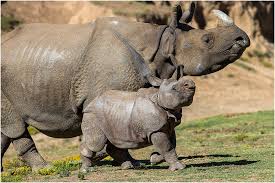
The Indian rhinoceros is one of the most amazing animals found in Asia. It is strong, huge, and ancient-looking, yet calm and gentle by nature. This rhino is mainly found in India and a few nearby Asian countries. With its thick, armor-like skin and single horn, the Indian rhinoceros looks like it has stepped out of history.
In this article, we will explore where the Indian rhinoceros lives, how it looks, how it behaves, and why it is so important to protect this rare animal.
What Is the Indian Rhinoceros?
The Indian rhinoceros is also called the greater one-horned rhinoceros.
-
It has only one horn, unlike African rhinos that usually have two.
-
It is one of the largest land animals in Asia.
-
It has been living on Earth for millions of years.
This rhino is a symbol of strength, survival, and wildlife heritage in India.
Where Does the Indian Rhinoceros Live?
The Indian rhinoceros is mainly found in India and parts of Asia.
Main Locations
-
India (especially Assam and West Bengal)
-
Nepal
-
Bhutan (rare sightings)
In India, most Indian rhinos live in Kaziranga National Park in Assam. This park is world-famous for protecting these animals.
Natural Habitat
Indian rhinos love wet and green areas.
They usually live in:
-
Grasslands
-
River plains
-
Swamps
-
Forest edges
They enjoy places with plenty of grass and water because they love eating and bathing.
How Does the Indian Rhinoceros Look?
The Indian rhinoceros has a very unique appearance.
Body Features
-
Huge body with thick gray-brown skin
-
Skin looks like armor plates
-
One black horn on the nose
-
Short legs but very strong
-
Small eyes and ears
Even though it looks heavy, the Indian rhino can run surprisingly fast when needed.
Size and Weight
The Indian rhinoceros is massive.
-
Weight: around 1,800 to 2,500 kg
-
Length: about 3.5 to 4 meters
-
Height: up to 1.8 meters
It is one of the biggest animals in Asia, second only to elephants.
What Do Indian Rhinos Eat?
Indian rhinoceroses are herbivores, which means they eat plants only.
Their diet includes:
-
Tall grasses
-
Leaves
-
Fruits
-
Aquatic plants
-
Crops near forests
They spend many hours every day eating to support their large bodies.
Daily Behavior
Indian rhinos live a calm and simple life.
-
They prefer to stay alone most of the time
-
They are active during early morning and evening
-
They rest during hot daytime hours
-
They love mud baths to cool down and protect their skin
Mud helps them stay cool and keeps insects away.
Swimming and Bathing
Indian rhinoceroses are excellent swimmers.
-
They often stay in rivers and ponds
-
Swimming helps them relax and cool off
-
Young rhinos especially love water
Watching a huge rhino calmly swimming is an unforgettable sight.
Reproduction and Babies
Baby rhinos are called calves.
-
A female rhino gives birth to one calf
-
Pregnancy lasts about 15 to 16 months
-
Calves stay with their mothers for several years
Baby rhinos are playful and curious, and they learn survival skills from their mothers.
Relationship With Humans
Indian rhinoceroses usually avoid humans.
-
They are not aggressive unless threatened
-
They may charge if they feel danger
-
Human expansion has reduced their natural habitat
Peaceful coexistence is important to protect both rhinos and people.
Threats to the Indian Rhinoceros
Even though conservation has improved, the Indian rhinoceros still faces dangers.
Major Threats
-
Poaching for horns
-
Habitat loss due to farming and cities
-
Floods and climate changes
-
Human-wildlife conflict
Rhino horns are illegally sold despite having no real medical value.
Why Rhino Horn Poaching Is Wrong
Rhino horns are made of keratin, the same material as human nails.
-
They have no magical or medical powers
-
Poaching harms wildlife balance
-
It puts the species at risk of extinction
Protecting rhinos helps protect the whole ecosystem.
Conservation Efforts in India
India has done a great job protecting Indian rhinoceroses.
Key Efforts
-
Strict wildlife protection laws
-
Armed forest guards
-
National parks and reserves
-
Rhino relocation programs
Because of these efforts, the Indian rhino population has grown over the years.
Kaziranga National Park
Kaziranga is the heart of Indian rhino conservation.
-
Home to more than two-thirds of the world’s Indian rhinos
-
UNESCO World Heritage Site
-
Strong anti-poaching measures
Kaziranga is a true success story for wildlife protection.
Importance of the Indian Rhinoceros
The Indian rhinoceros plays an important role in nature.
-
Helps maintain grassland ecosystems
-
Supports biodiversity
-
Attracts eco-tourism
-
Represents India’s natural heritage
Saving rhinos means saving entire habitats.
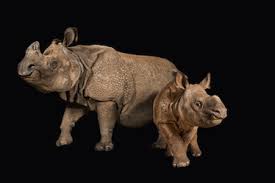
Indian Rhinoceros in India and Asia: A Rare Wildlife Treasure
Cultural and Historical Importance
Indian rhinos appear in:
-
Ancient Indian texts
-
Art and sculptures
-
Royal symbols
They have been respected and admired for centuries.
Future of the Indian Rhinoceros
The future of the Indian rhinoceros looks hopeful but still needs care.
-
Conservation must continue
-
Awareness must increase
-
Illegal wildlife trade must stop
With continued protection, future generations will still see these majestic animals.
How People Can Help
Everyone can help protect the Indian rhinoceros.
-
Support wildlife conservation groups
-
Spread awareness
-
Avoid buying illegal wildlife products
-
Respect nature and animals
Small actions can make a big difference.
Final Thoughts
The Indian rhinoceros is one of Asia’s greatest natural treasures. Strong, ancient, and peaceful, it reminds us of the beauty of wildlife and the importance of conservation. Thanks to strong efforts in India, this magnificent animal has a chance to survive and thrive.
Protecting the Indian rhinoceros is not just about saving one animal—it’s about protecting nature, balance, and the future of our planet.
Read Also: Keep your face towards the sunshine and shadows will fall behind you
Watch Also: https://www.youtube.com/@TravelsofTheWorld24





Leave a Reply