
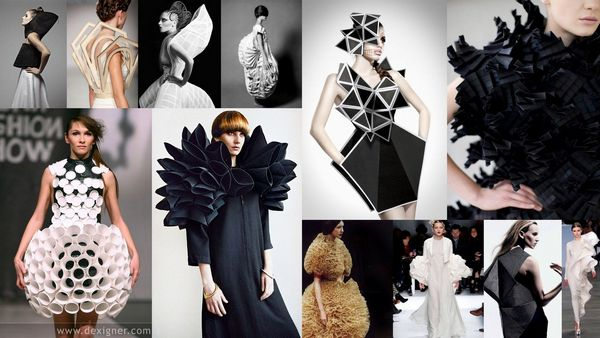
Fashion design is more than just picking pretty clothes. It’s about combining colors, shapes, textures, and styles to create something that looks good and feels right. Every outfit you see is made using some basic elements that guide how it looks and moves. Let’s break down the main elements of fashion design, with simple examples so you can see how they work in real life.
1. Line
What it is:
Lines are the shapes or directions that the eye follows in a design. They can make a garment look taller, wider, shorter, or longer depending on how they are used.
Types of lines in fashion:
-
Vertical lines: Make the body look taller and slimmer.
-
Horizontal lines: Make the body look wider.
-
Diagonal lines: Add movement and energy.
-
Curved lines: Give softness and flow.
Example:
A long vertical striped dress makes you look taller, while a skirt with horizontal stripes looks wider and more playful.
2. Shape (Silhouette)
What it is:
Shape is the outline or form of the garment. It’s what you see first when you look at a dress, coat, or suit.
Types of shapes in fashion:
-
A-line: Flared from the waist, narrow at the top.
-
Hourglass: Tight at the waist, fuller at the hips and bust.
-
Rectangle: Straight up and down, with no waist emphasis.
-
Circle: Skirts or dresses that flare in a circular shape.
Example:
A wedding dress with an A-line shape gives a classic, elegant look, while a straight rectangle blazer looks modern and simple.
3. Color
What it is:
Color sets the mood of a design. Bright colors feel happy or bold, while dark colors feel serious or formal.
Color tips in fashion:
-
Warm colors: Red, orange, yellow – energetic and eye-catching.
-
Cool colors: Blue, green, purple – calm and soothing.
-
Neutral colors: White, black, gray, beige – versatile and timeless.
Example:
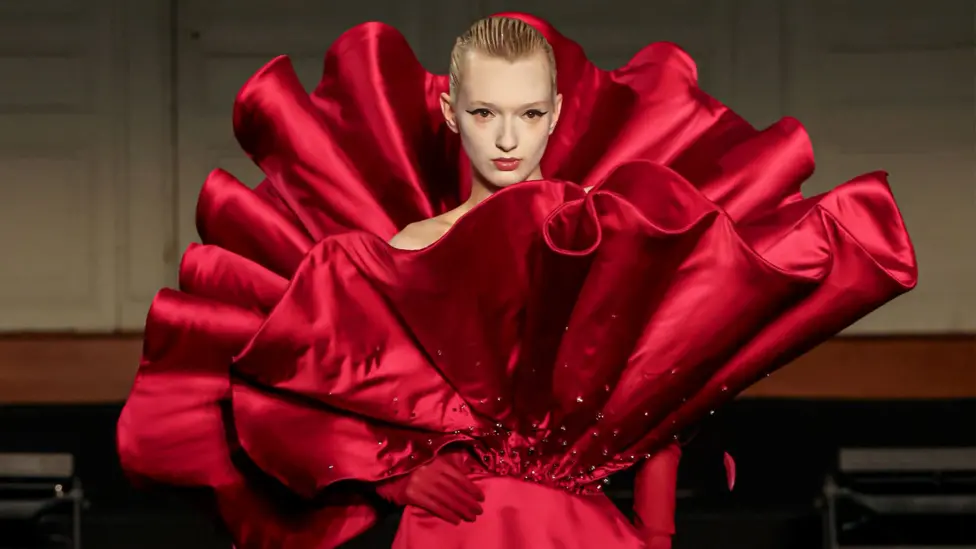
A red evening gown stands out at a party, while a beige trench coat looks classy and professional.
4. Texture
What it is:
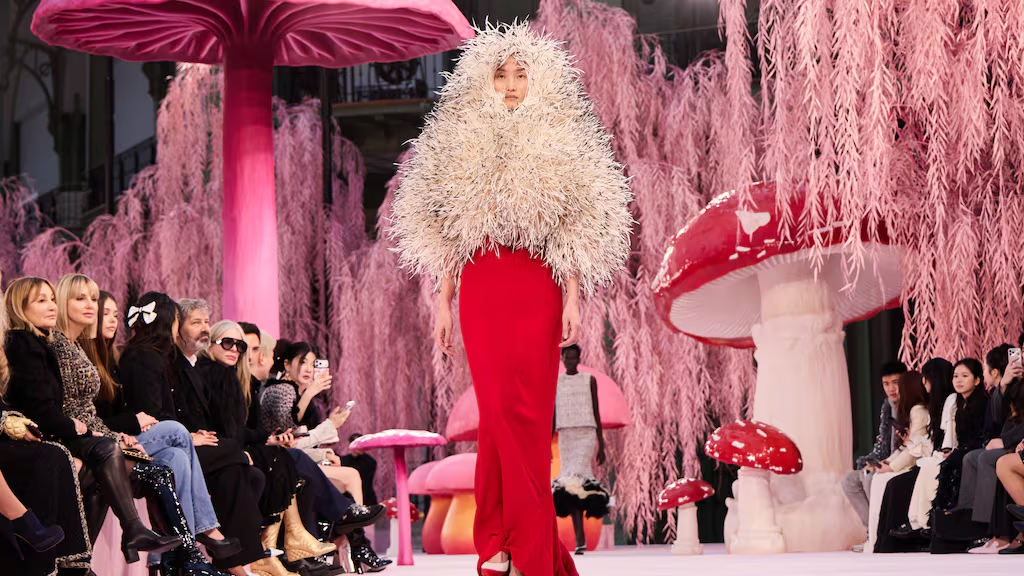
Texture is how the fabric feels or looks. It can be smooth, rough, shiny, soft, or fluffy.
Why it matters:
Texture adds interest to an outfit. Even a simple dress can look fancy with the right texture.
Example:
-
Velvet jackets feel rich and soft.
-
Leather pants look edgy and bold.
-
Lace tops feel delicate and feminine.
5. Pattern
What it is:
Patterns are repeated designs or motifs on the fabric.
Types of patterns:
-
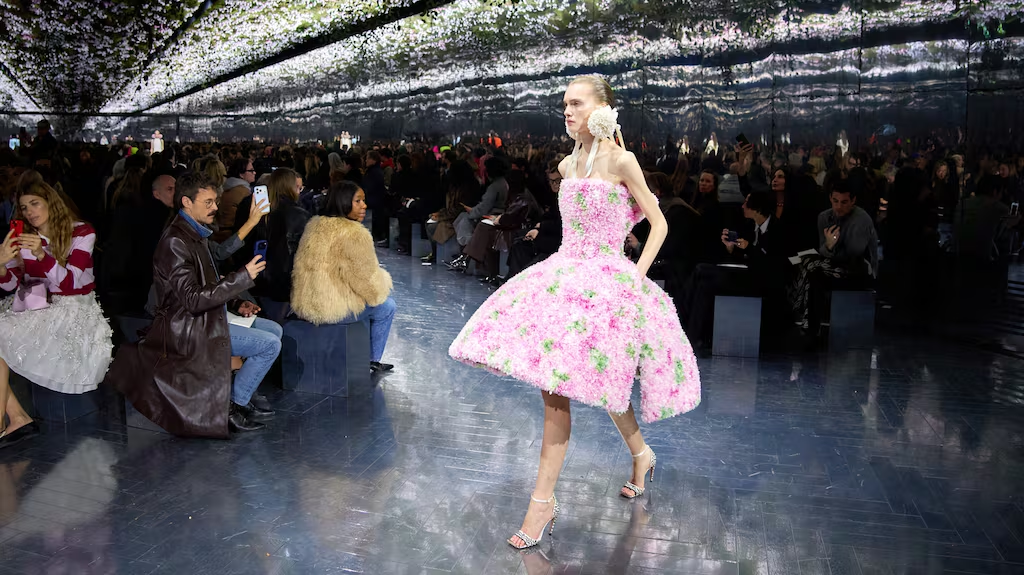
Floral: Romantic and soft.
-
Stripes: Can be bold or subtle.
-
Polka dots: Fun and retro.
-
Geometric: Modern and structured.
Example:
A polka dot blouse looks playful, while a pinstriped suit looks professional and sleek.
6. Proportion
What it is:
Proportion is about how the different parts of a garment relate to each other and to the wearer’s body.
Why it matters:
Balanced proportions make outfits look pleasing, while unusual proportions can create a bold, fashion-forward statement.
Example:
-
A cropped jacket with high-waist pants balances the upper and lower body.
-
Oversized sleeves with a tight dress create dramatic proportion.
7. Balance
What it is:
Balance is making sure the outfit looks stable and harmonious. It can be symmetrical or asymmetrical.
Types of balance:
-
Symmetrical: Both sides of the outfit match. Classic and formal.
-
Asymmetrical: One side is different from the other. Modern and creative.
Example:
-
A double-breasted coat is symmetrical and neat.
-
A one-shoulder dress is asymmetrical and trendy.
8. Emphasis (Focus Point)
What it is:
Emphasis is the part of the outfit that draws attention first. Designers often highlight one area to make it stand out.
Ways to create emphasis:
-
Using bright color on one part.
-
Adding embroidery, beads, or patterns.
-
Unique cuts or designs.
Example:
A dress with a sparkling neckline immediately catches the eye, while the rest of the dress stays simple.
9. Rhythm
What it is:
Rhythm in fashion is about movement and flow. It makes the outfit feel alive rather than flat.
How designers create rhythm:
-
Repeating shapes or patterns.
-
Layers or pleats that flow when walking.
-
Gradual change in color or size.
Example:
A tiered skirt with layers that sway creates rhythm when the wearer moves.
10. Harmony (Unity)
What it is:
Harmony is making sure all parts of the outfit work together. It means nothing feels out of place.
Example:
A navy blazer, white shirt, and matching shoes create harmony because all pieces look like they belong together. A neon top with a patterned skirt might feel chaotic if not balanced properly.
11. Contrast
What it is:
Contrast is about mixing opposite elements to make the outfit interesting.
Ways to create contrast:
-
Dark vs light colors.
-
Smooth vs rough textures.
-
Tight vs loose silhouettes.
Example:
A soft, fluffy sweater paired with sleek leather pants creates a fun contrast between soft and tough.
12. Details
What it is:
Details are the small touches that make a design special.
Types of details:
-
Buttons, zippers, and belts.
-
Ruffles, pleats, and lace.
-
Pockets, cut-outs, or embroidery.
Example:
A simple dress with pearl buttons suddenly looks elegant because of the small detail.
13. Space
What it is:
Space is about how much room there is in a design. It can make the outfit feel tight, loose, crowded, or open.
Example:
A flowing maxi dress uses a lot of space to create freedom and movement, while a bodycon dress hugs the body tightly, using less space.
14. Movement
What it is:
Movement is how the clothes act when someone walks or moves. Good movement makes the outfit feel alive.
Example:
-
Long chiffon skirts float in the wind.
-
Fringe on a jacket swings with every step.
-
A stiff suit moves less but feels sharp and structured.
15. Fabric Choice
What it is:
The material of a garment affects everything: look, feel, and how it drapes.
Examples:
-
Cotton: Soft, casual, breathable.
-
Silk: Smooth, luxurious, flows beautifully.
-
Denim: Tough, casual, structured.
-
Wool: Warm, soft, holds shape.
Fabric is the foundation of design. Even a perfect pattern or cut will not work if the material doesn’t suit it.
Final Thoughts
Fashion design is a mix of creativity and rules. These 15 elements – line, shape, color, texture, pattern, proportion, balance, emphasis, rhythm, harmony, contrast, details, space, movement, and fabric – are the tools every designer uses to create clothes that look and feel right.
When you notice these elements in your own clothes, you start to see fashion in a new way. You’ll understand why some outfits look balanced, why some catch your eye, and why some feel just… perfect.
Fashion isn’t just about wearing clothes. It’s about design, art, and expression. And these elements are what make that possible.
Read Also: Keep your face towards the sunshine and shadows will fall behind you
Watch Also: https://www.youtube.com/@TravelsofTheWorld24

Leave a Reply