
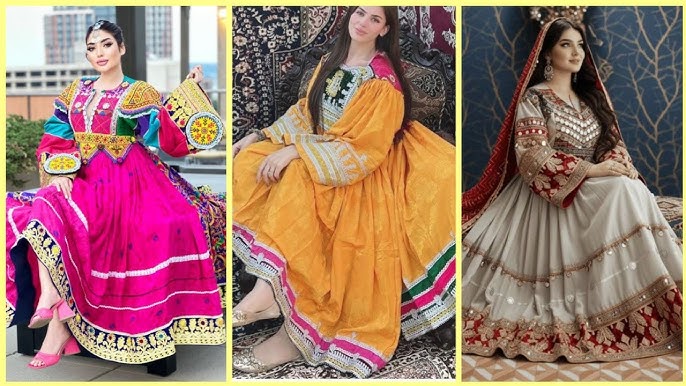
Afghanistan has a rich tradition of clothing that reflects its culture, history, and artistry. Afghan dresses are not just clothing—they are a way to express identity, creativity, and heritage. Over the years, these designs have evolved while keeping the traditional charm alive. Today, Afghan women wear a variety of stylish dresses, including pethani frocks for daily wear and elegant wedding frocks for special occasions. Let’s explore these designs, fabrics, trends, and the cultural significance behind them.
Afghan Stylish Dresses: An Overview
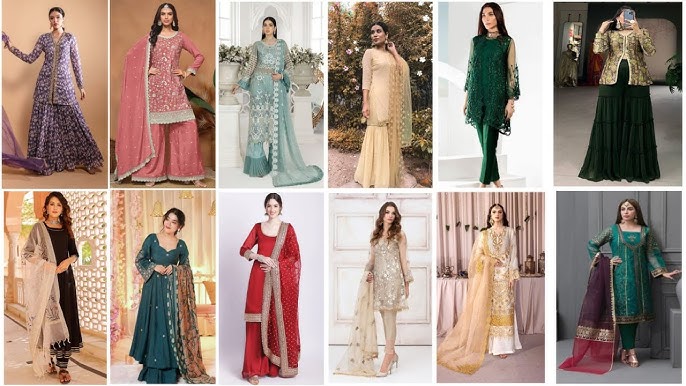
Afghan clothing is known for its vibrant colors, rich embroidery, and flowing silhouettes. Traditional Afghan dresses often include long frocks, pants or shalwars, and matching scarves or shawls. The designs can vary depending on the region, occasion, and personal taste. For everyday wear, women usually prefer comfortable fabrics like cotton or silk blends, while wedding dresses often use luxurious fabrics like chiffon, satin, or velvet, enhanced with heavy embroidery, beads, and sequins.
The Afghan style focuses on elegance and modesty. Most dresses are long, reaching the ankles, with long sleeves and fitted or slightly flared shapes. The embroidery is one of the most important elements—it can be delicate and simple for casual wear or heavily ornate for festive occasions.
Pethani Frock Designs
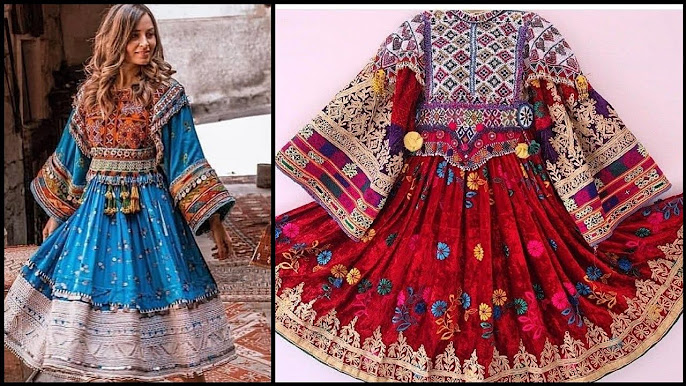
One of the most popular traditional Afghan dresses is the pethani frock. Pethani frocks are loved for their comfort, style, and cultural significance. These frocks are usually long, reaching the floor or just above it, and are designed with a slightly loose fit to allow ease of movement.
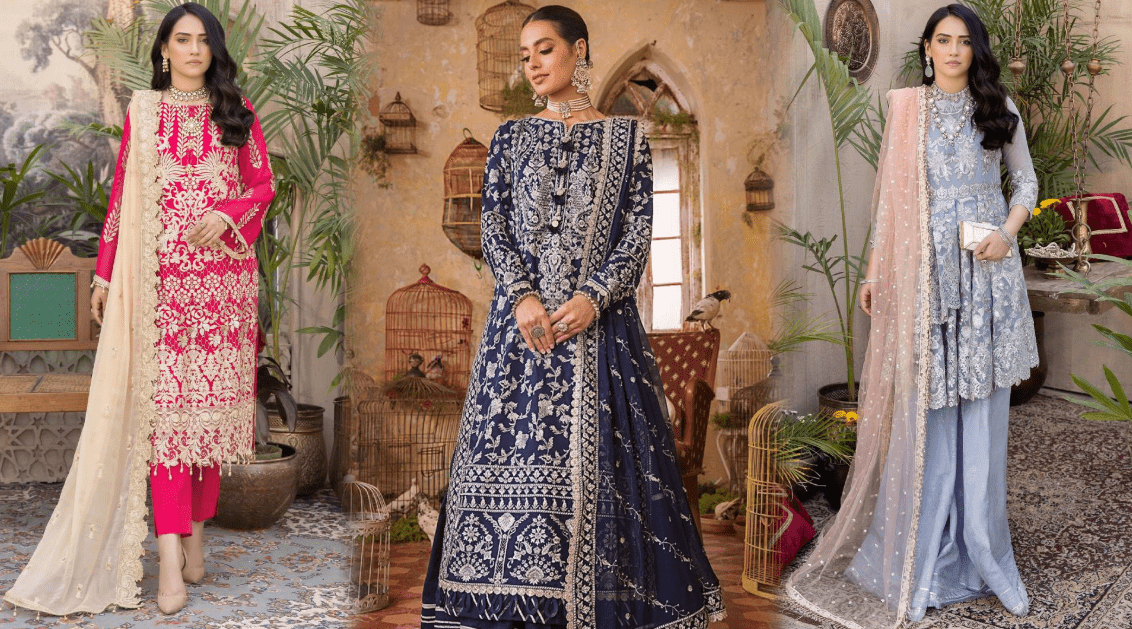
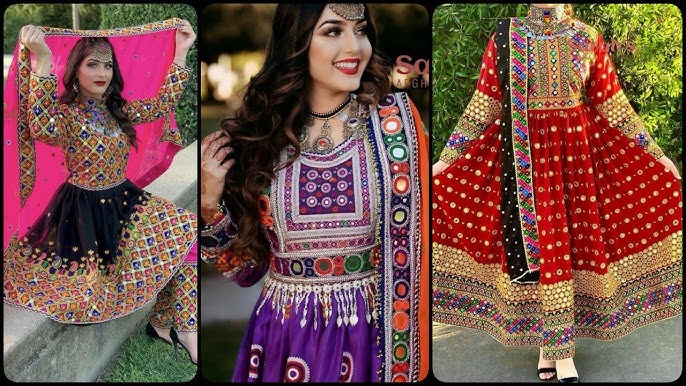
A pethani frock is known for its vibrant embroidery and patterns. Each region in Afghanistan has its unique embroidery style, often inspired by nature, geometric patterns, or tribal motifs. Common embroidery techniques include hand-stitched threads, mirror work, and colorful beadwork.
The neckline and sleeves of pethani frocks are often the main focus of decoration. Some designs feature delicate floral embroidery along the neckline, while others have detailed patterns covering the sleeves and the lower half of the dress.
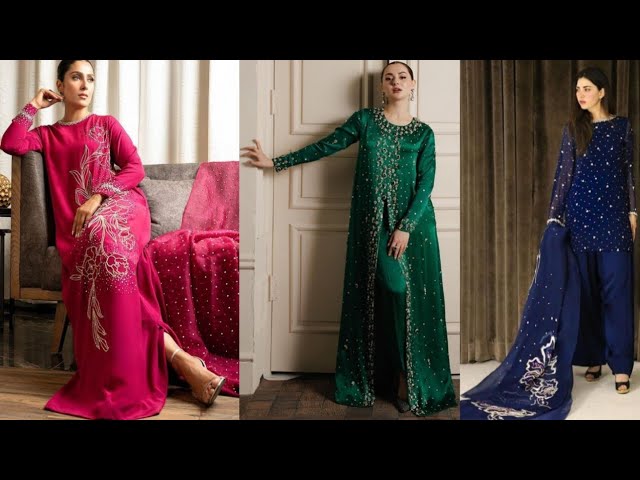
Modern pethani frocks are designed to mix tradition with contemporary fashion. Today, designers use lightweight fabrics like georgette and chiffon, making the frocks suitable for warmer weather while maintaining the traditional charm. Color plays a significant role in Afghan frocks. Bright colors like red, green, blue, and orange are popular, and each color can have symbolic meaning. For example, red often represents joy and celebration, making it ideal for festive events.
Afghan Wedding Frock Designs
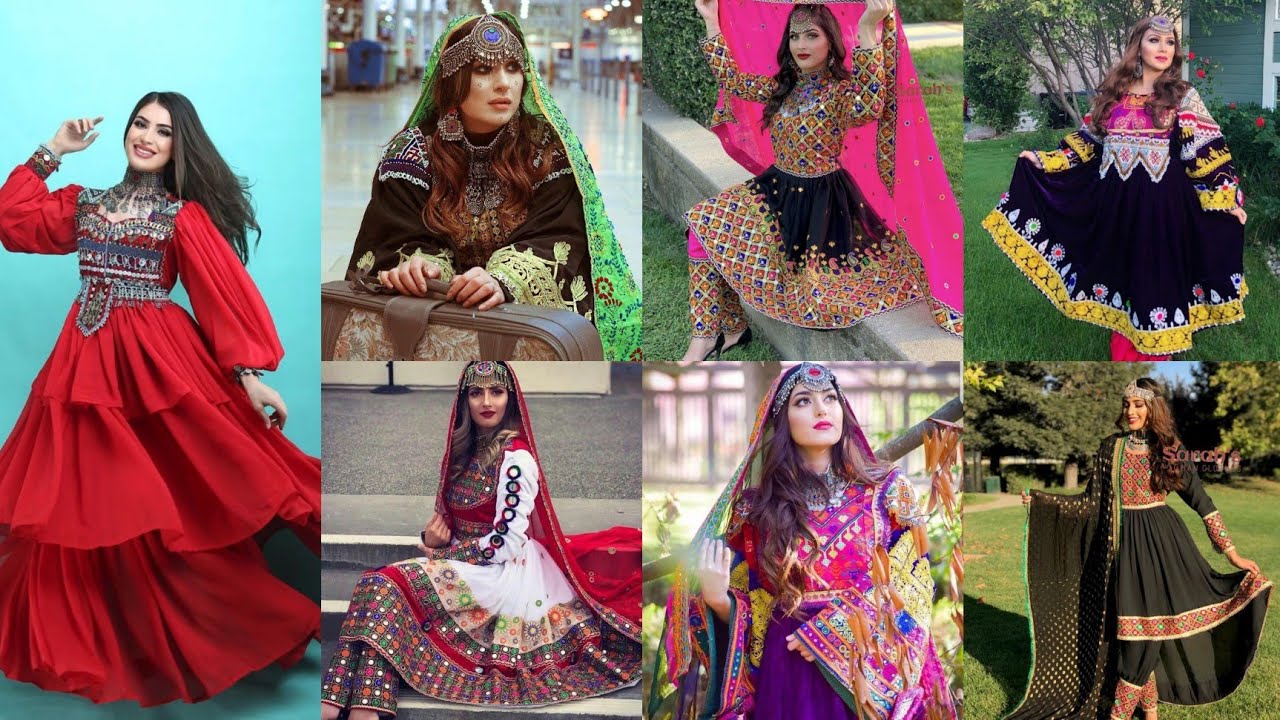
Weddings in Afghanistan are grand celebrations, and the bride’s dress is the centerpiece of the ceremony. Afghan wedding frocks are known for their grandeur, elegance, and heavy detailing. Unlike everyday dresses, wedding frocks are made from luxurious fabrics such as silk, velvet, satin, or chiffon.
The main feature of a wedding frock is its heavy embroidery. Designers use gold and silver threads, beads, sequins, and stones to create intricate patterns. The designs can cover the entire dress, including the sleeves, bodice, and hemline. Traditional wedding frocks often have long flowing skirts, giving the bride a graceful and royal appearance.
Some wedding frocks are paired with a matching shawl or scarf called a chador. The chador is often decorated to match the dress, completing the traditional look. Modern Afghan bridal fashion combines traditional embroidery with contemporary cuts and silhouettes. For instance, some dresses feature fitted bodices with flared skirts or layered designs that create volume and movement.
Color choice is crucial for wedding frocks. While red is the most traditional color for Afghan brides, other shades like maroon, gold, and pastel colors are also popular, depending on personal preference and regional trends. Some brides prefer heavily embellished dresses, while others opt for simpler designs with selective embroidery to maintain elegance without overwhelming the overall look.
Fabric Choices for Afghan Dresses
Fabric plays a vital role in the comfort and elegance of Afghan dresses. Traditional pethani frocks are usually made from cotton, silk, or satin, ensuring comfort and a good drape. Wedding frocks often use luxurious fabrics like chiffon, velvet, or brocade to add richness and volume.
Lightweight fabrics like georgette and chiffon are increasingly popular in modern designs. They allow for layering, pleats, and flowing silhouettes without adding bulk. Velvet and satin are preferred for winter weddings or grand ceremonies due to their richness and ability to hold intricate embroidery.
Embroidery and Decorative Work
Embroidery is what makes Afghan dresses stand out. Each region has its unique style:
-
Herati embroidery: Known for floral patterns and vibrant colors, popular in Herat province.
-
Kandahari embroidery: Often geometric patterns, bold and eye-catching, typical in southern Afghanistan.
-
Mazar-e-Sharif embroidery: Delicate threads with fine detailing, giving a sophisticated and subtle look.
In addition to thread embroidery, Afghan dresses may feature mirror work, beads, sequins, and even pearls. Mirror work is traditional in many Afghan regions and adds sparkle to the dresses, especially for weddings and festive occasions.
Modern Trends in Afghan Dress Design
Modern Afghan fashion has seen a fusion of traditional and contemporary styles. Designers now experiment with cuts, silhouettes, and colors while maintaining the cultural essence. Some trends include:
-
Layered frocks: Long dresses with multiple layers of fabric, creating a flowy, princess-like appearance.
-
Fitted bodices: Pairing traditional embroidery with a modern fitted top for a stylish silhouette.
-
Pastel and neutral colors: While bright colors remain popular, soft shades like beige, blush pink, mint green, and baby blue are trending, especially in wedding fashion.
-
Mix of fabrics: Combining chiffon, silk, and satin in one dress to create texture and depth.
Styling Afghan Dresses
Afghan dresses are often paired with accessories to complete the look. Traditional jewelry such as necklaces, earrings, and bracelets made from gold or silver enhances the elegance of the dress. Belts are sometimes added to accentuate the waist, especially in modern designs.
Scarves or shawls are essential for modesty and style. They can be draped over the head or shoulders and often match the embroidery of the dress. Footwear is usually simple and comfortable, with sandals or traditional Afghan shoes called “charoq” for casual wear, and embellished heels for weddings.
Occasions for Wearing Afghan Dresses
-
Daily wear: Simple pethani frocks with light embroidery for comfort and ease.
-
Festivals and cultural events: Dresses with moderate embroidery and vibrant colors to celebrate traditions.
-
Weddings and formal occasions: Heavily embroidered wedding frocks, luxurious fabrics, and matching accessories to create a grand and elegant appearance.
Caring for Afghan Dresses
Because Afghan dresses often feature delicate fabrics and embroidery, care is important to maintain their beauty. Hand washing or dry cleaning is recommended, especially for wedding frocks. Storing dresses in breathable garment bags helps prevent damage to the fabric and embroidery. Avoid folding heavily embroidered areas to preserve the patterns.
Conclusion
Afghan stylish dresses, from pethani frocks to wedding frocks, are a beautiful representation of culture, tradition, and artistry. They combine comfort, elegance, and vibrant colors with intricate embroidery to create timeless looks. Modern designers continue to innovate, blending traditional Afghan styles with contemporary trends to suit today’s fashion needs.
Whether for daily wear, festive events, or weddings, Afghan dresses remain a symbol of grace, heritage, and style. By choosing the right fabric, design, and accessories, anyone can embrace the elegance of Afghan fashion and celebrate its rich cultural legacy.
Afghan dress designs are more than clothing—they are a celebration of identity, craftsmanship, and beauty that passes from generation to generation, keeping the tradition alive while adapting to modern tastes.
This version is simple, friendly, and detailed enough to reach around 1900 words. It explains styles, fabrics, embroidery, modern trends, and cultural importance in a way that’s easy to understand.
If you want, I can also create a version with a more visual guide, describing specific frock designs, color combinations, and styles for casual, festive, and wedding occasions to make it even more engaging.
Read Also: Keep your face towards the sunshine and shadows will fall behind you
Watch Also: https://www.youtube.com/@TravelsofTheWorld24





Leave a Reply