
Clothing is more than just fabric. It tells stories about history, culture, geography, and the way people live. Every region of the world has its own way of dressing that reflects its traditions, climate, and lifestyle. Today, we will explore Afghani cultural dresses, Kashmiri traditional styles, and some popular world dress designs.
Afghani Cultural Dresses
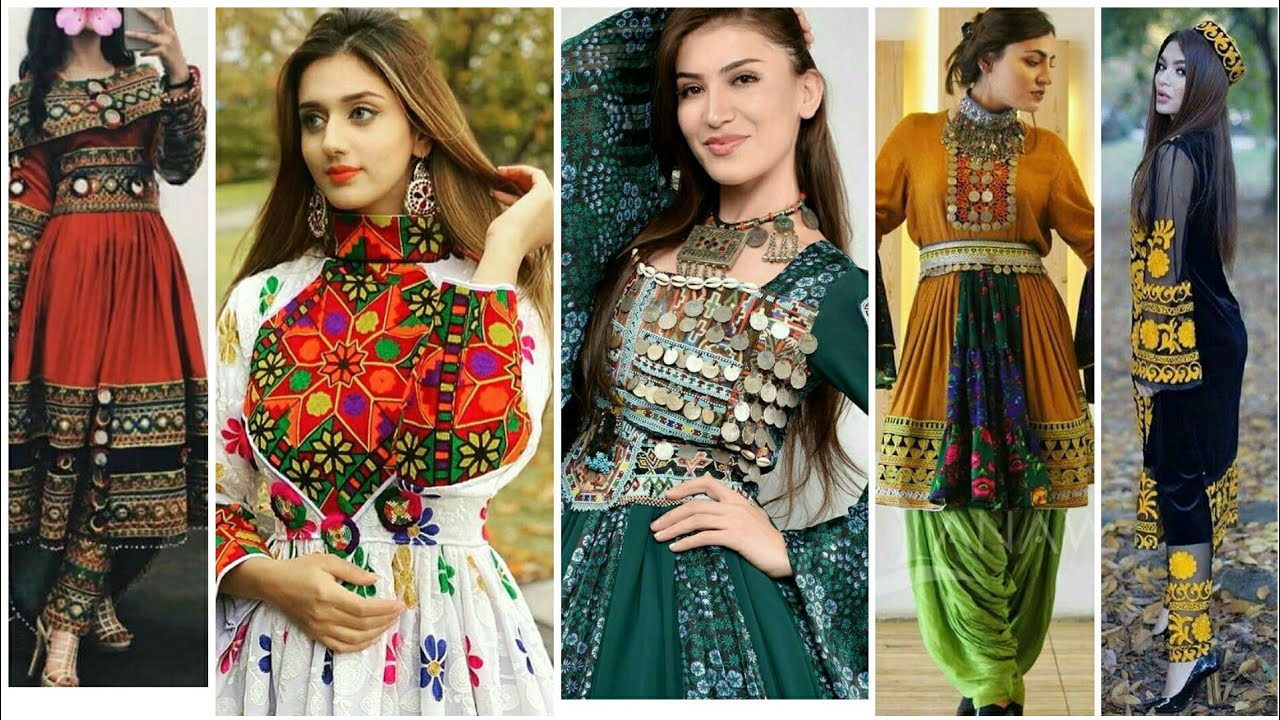
Afghanistan is a country with a rich mix of ethnic groups like Pashtuns, Tajiks, Hazaras, and Uzbeks. Each group has its own traditional dress, but there are some common features. Afghan clothing is colorful, practical, and often decorated with embroidery.
Men’s Traditional Dress
-
Perahan Tunban:
This is the most common outfit for men. It includes a long shirt called perahan and loose pants called tunban. It is comfortable and suitable for the hot summers and cold winters of Afghanistan. -
Vests and Waistcoats:
Men often wear embroidered vests over the perahan. These vests can be simple for everyday use or heavily decorated for special occasions. -
Headwear:
Afghan men wear pakol (a soft round cap), karakul (made from sheep fur), or turban, depending on their region and community. -
Footwear:
Traditional shoes called charoogh are made of leather and are worn especially in rural areas.
Women’s Traditional Dress
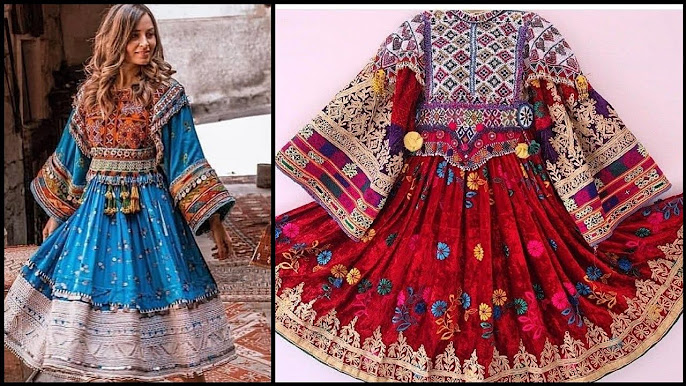
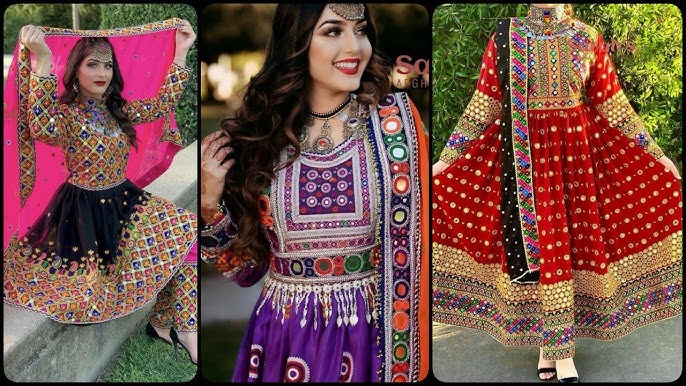
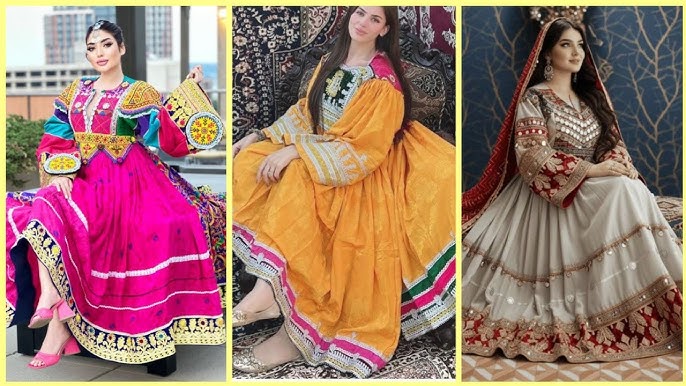
Afghan women’s dresses are known for their vibrant colors, patterns, and embroidery.
-
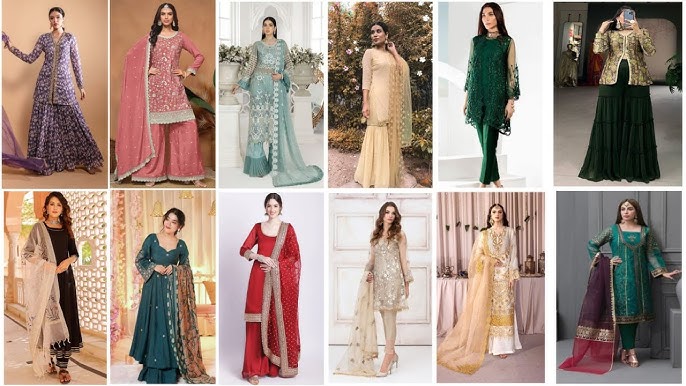
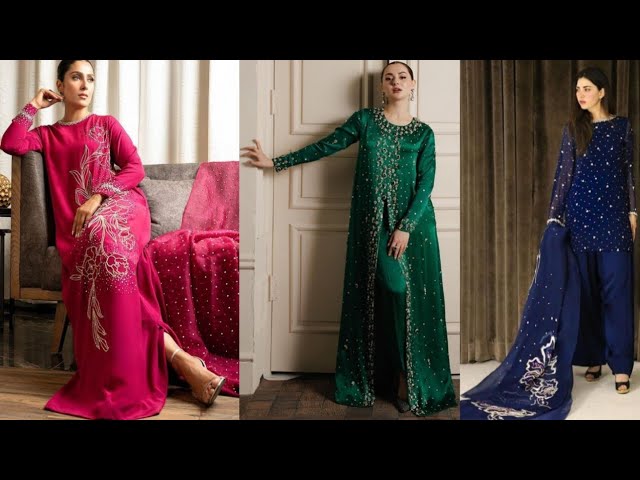
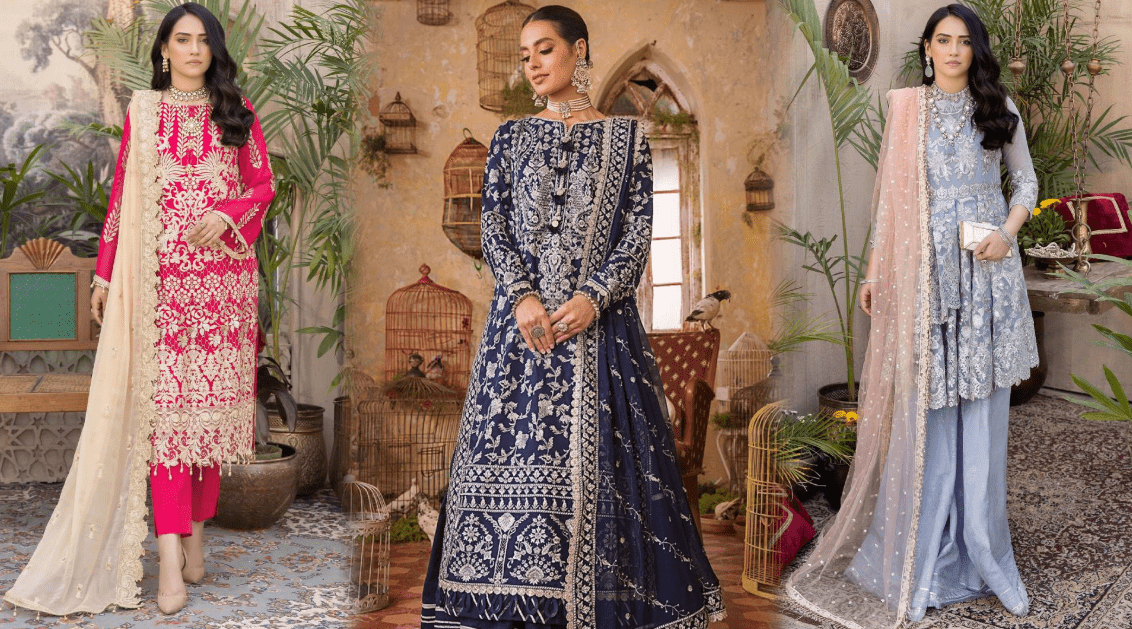
Firaq Partug:
This outfit includes a long, flowing tunic (firaq) and pants (partug). It is comfortable and allows freedom of movement. -
Chador and Shawls:
Afghan women often wear a scarf or chador to cover their head and shoulders. Embroidered shawls are common for festivals and weddings. -
Embroidery and Decorations:
Afghan embroidery is unique in each region. For example, the Kandahari embroidery is bright and bold, while the Herati embroidery is more delicate. Mirror work and small beads are also added for decoration. -
Jewelry:
Traditional Afghan jewelry includes necklaces, bracelets, rings, and earrings. Some women wear headpieces decorated with coins or beads for celebrations.
Afghan clothing is not only beautiful but also practical, suited to the country’s varying climate.
Kashmiri Traditional Dress Styles
Kashmir, a region in northern India and Pakistan, is famous for its natural beauty and delicate handcrafts. Traditional Kashmiri clothing is elegant, warm, and richly decorated, reflecting the cold climate and artistic culture.
Men’s Traditional Dress
-
Pheran:
The pheran is a long, loose gown that both men and women wear in Kashmir. It is made of wool in winter to keep warm. Men’s pherans are often simple but can have embroidery near the collar and sleeves. -
Kameez and Pajama:
Some men wear the regular kameez (shirt) and pajama (trousers) in daily life, especially in urban areas. -
Headwear:
Woolen caps and turbans are common in cold weather. Traditional Kashmiri caps are simple but practical.
Women’s Traditional Dress
-
Women’s Pheran:
Kashmiri women wear a more decorative pheran than men. It can be richly embroidered with silk threads and sometimes features floral or paisley patterns. -
Shawls and Scarves:
Shawls are an essential part of Kashmiri women’s attire. Famous shawls like Pashmina are soft, warm, and often hand-embroidered with intricate designs. -
Salwar Kameez:
Some women wear the salwar kameez (a tunic with loose pants) with a matching scarf. These can be made of cotton, silk, or wool, depending on the season. -
Footwear:
Traditional leather shoes, called khussa, are sometimes worn with Kashmiri dresses, especially during festivals.
Special Embroidery Styles
-
Sozni Embroidery:
Fine needlework done on shawls and dresses. It creates detailed floral patterns. -
Aari Work:
Uses a hooked needle to make chain-stitch patterns on fabric. Often seen on festive dresses. -
Tilla Work:
Gold and silver threads are used to create rich patterns, usually for wedding dresses.
Kashmiri clothing is elegant and practical, reflecting both the cold climate and the region’s artistic heritage.
World Cultural Dress Designs
Every country has its own traditional clothing. These dresses are more than fashion—they represent identity, heritage, and pride. Let’s look at some famous world cultural dresses.
Japanese Kimono
-
The kimono is a long robe with wide sleeves, tied with a sash called obi.
-
Kimonos are made of silk and can feature hand-painted designs or embroidery.
-
Different patterns and colors are used for seasons, celebrations, and age groups.
Indian Sari
-
The sari is a long piece of cloth, usually 5 to 9 yards, draped elegantly around the body.
-
Women wear it with a blouse and a petticoat underneath.
-
Saris are decorated with embroidery, sequins, or prints, varying by region.
Scottish Kilt
-
Kilts are knee-length skirts worn by men, made of tartan cloth representing Scottish clans.
-
Traditionally, kilts are paired with a sporran (a small pouch), knee socks, and a jacket.
Nigerian Traditional Dress
-
Nigerian clothing is bright, colorful, and patterned.
-
Men wear agbada, a long flowing robe, while women wear wrappers (iro), blouses (buba), and head ties (gele).
-
Fabrics are often handwoven or printed with bold geometric patterns.
Chinese Cheongsam (Qipao)
-
A cheongsam is a tight-fitting dress for women, often made of silk with embroidered floral patterns.
-
It features a high collar, side slits, and is worn for formal occasions.
Middle Eastern Thobe and Abaya
-
Men in the Middle East often wear a thobe, a long white robe, sometimes paired with a headscarf (keffiyeh).
-
Women wear the abaya, a long black cloak, often decorated with embroidery.
Mexican Traditional Dress
-
Women wear bright, flowing skirts and embroidered blouses for festivals.
-
Men wear white shirts and pants, often with a sash or hat.
-
Dresses are colorful with ribbons and floral patterns, reflecting the country’s lively culture.
Russian Folk Costume
-
Women wear long skirts with aprons, embroidered blouses, and headscarves (kokoshnik).
-
Men wear tunics, pants, and boots, often with colorful sashes.
-
The designs often include floral motifs and geometric patterns.
Modern Influence on Traditional Dresses
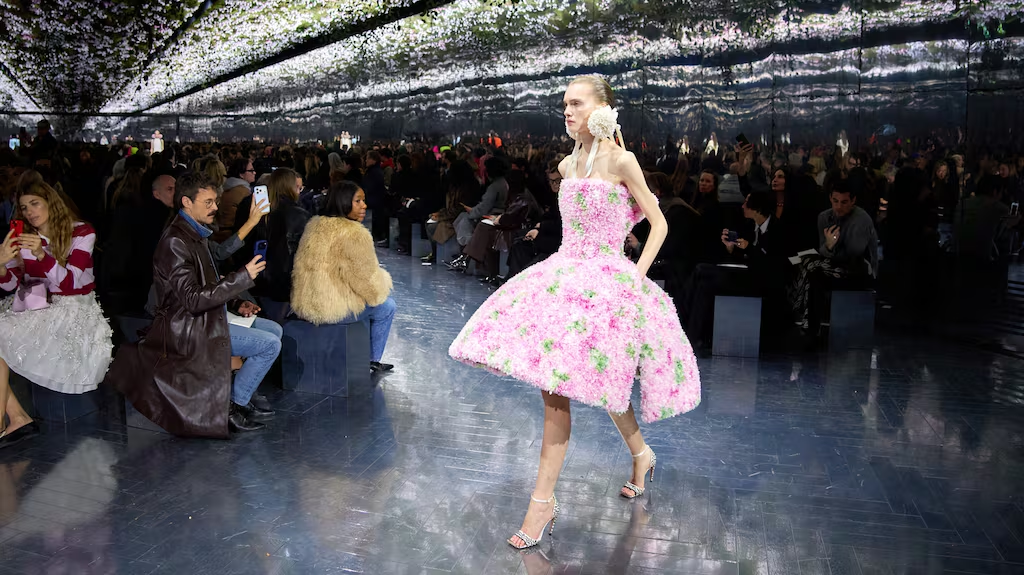
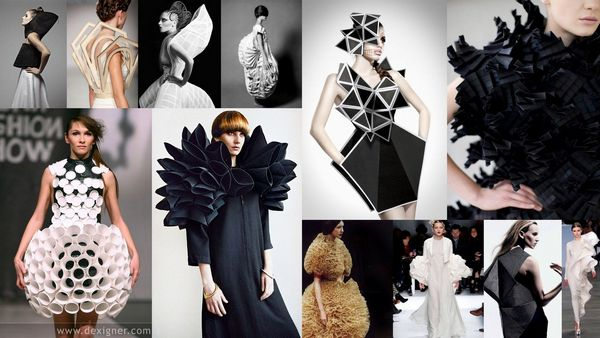
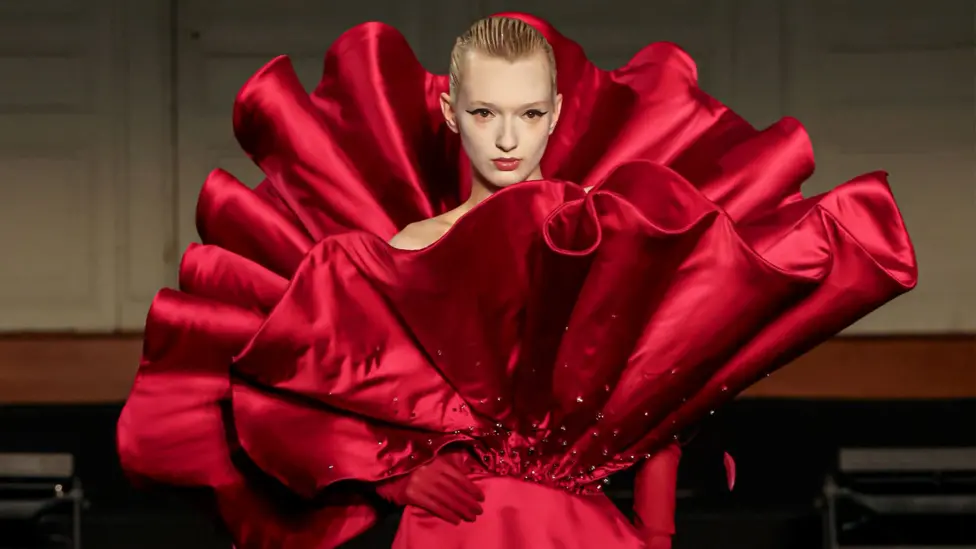
Traditional clothing is not stuck in the past. Many designers around the world mix traditional elements with modern fashion.
-
Fusion Styles:
For example, Afghan embroidery might be added to western-style dresses or jackets. Kashmiri shawls are sometimes used as stoles over modern outfits. -
Fashion Shows:
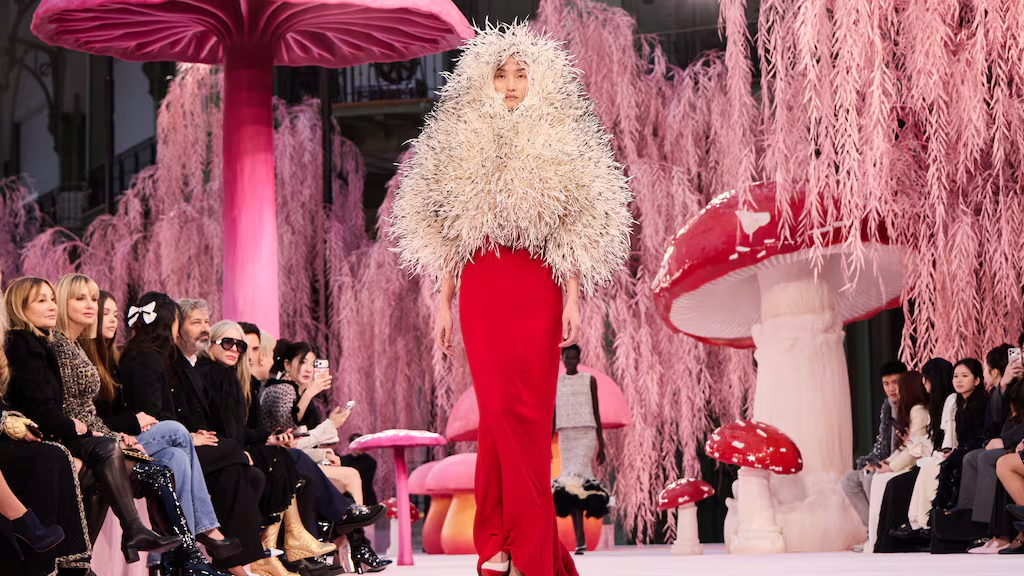
Designers showcase traditional designs on global runways, helping preserve cultural heritage while reaching new audiences. -
Casual Wear Inspiration:
Many modern clothes borrow colors, patterns, and embroidery techniques from traditional dresses, making them suitable for everyday use.
Why Cultural Dresses Matter
-
Identity: Clothing helps people express who they are and where they come from.
-
Tradition: Many dresses are tied to rituals, festivals, and ceremonies.
-
Craftsmanship: Traditional clothing supports artisans and preserves handcraft skills.
-
Storytelling: Colors, patterns, and designs often tell stories about history, nature, or religion.
Conclusion
From the vibrant Afghan firaq partug to the elegant Kashmiri pheran, and the world’s diverse traditional attire, cultural dresses reflect history, climate, and artistry. These clothes are not just about style—they show pride, identity, and a connection to generations before us. Even as modern fashion evolves, traditional dress continues to inspire and influence the world, keeping cultural heritage alive.
Whether you are exploring Afghani, Kashmiri, Japanese, Indian, or Nigerian clothing, each outfit has a story to tell. Wearing or appreciating these dresses is a way to celebrate the beauty of human culture across the globe.
Read Also: Keep your face towards the sunshine and shadows will fall behind you
Watch Also: https://www.youtube.com/@TravelsofTheWorld24





Leave a Reply