
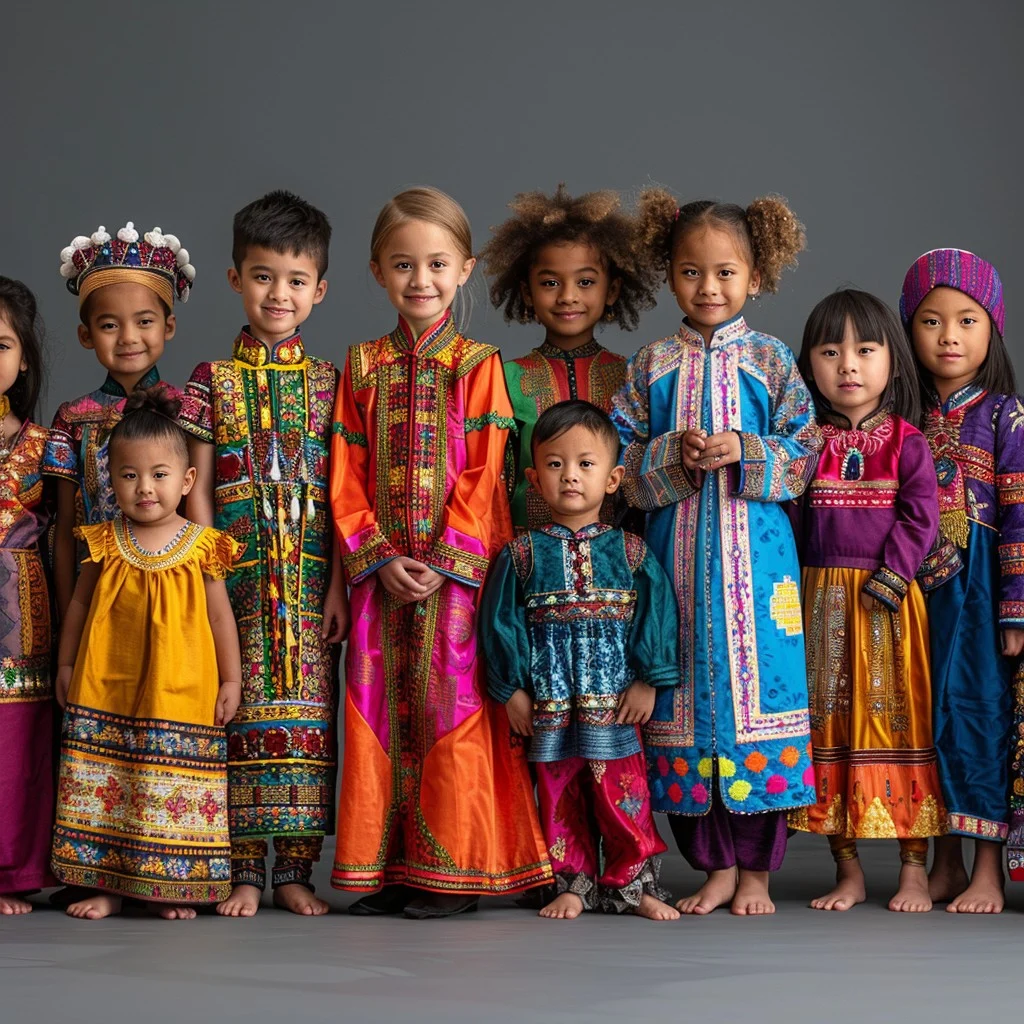
Children’s traditional clothing is one of the most beautiful ways culture is passed from one generation to the next. Around the world, children wear special outfits that reflect history, values, celebrations, and identity. These clothes are often worn during festivals, weddings, religious events, and cultural ceremonies.
While styles may look different from country to country, the purpose is often the same: to help children feel connected to their roots and proud of where they come from. In this journey around the world, we explore children’s traditional attire, what it looks like, and why it matters.
Why Children’s Traditional Clothing Is Important
Traditional clothing for children is not just about appearance. It plays a deeper role in society.
It helps children:
-
Learn about their culture
-
Feel a sense of belonging
-
Understand traditions and values
-
Take part in festivals and ceremonies
-
Carry family and community identity
When children wear traditional attire, they become part of a story that started long before them.
Asia: Tradition, Color, and Meaning
Japan: Kimono for Children
In Japan, children wear special kimonos during important events like festivals and coming-of-age celebrations.
-
Made from soft fabrics for comfort
-
Bright colors and playful patterns
-
Designs often show animals, flowers, or symbols of good luck
Children’s kimonos are lighter and easier to wear than adult versions, making them suitable for movement and play.
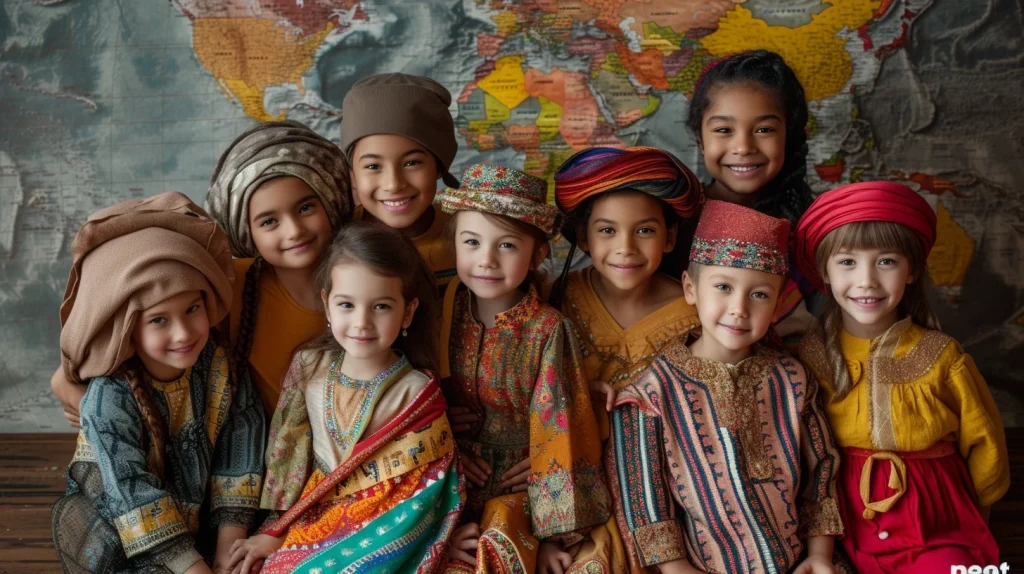
How Children’s Traditional Clothing Reflects Culture Worldwide
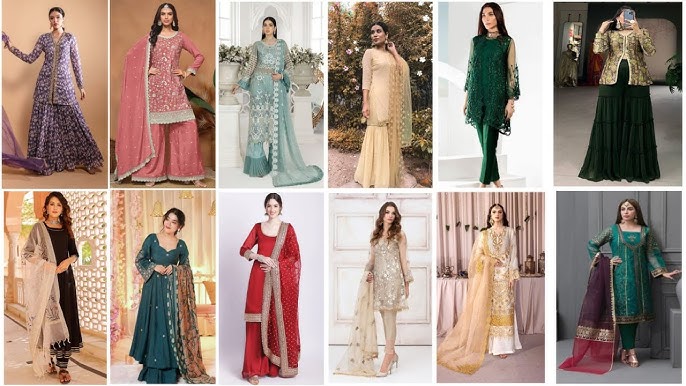
India: Colorful and Festive Attire
Indian children wear traditional clothes during festivals, weddings, and religious events.
-
Girls: Lehenga, choli, and small saris
-
Boys: Kurta-pajama or dhoti-kurta
These outfits are colorful and often decorated with embroidery or prints. Each color has meaning, and fabrics are chosen to suit the weather.
China: Traditional Festival Wear
Chinese children often wear traditional outfits during Lunar New Year and family celebrations.
-
Bright red outfits for good luck
-
Loose-fitting designs for comfort
-
Patterns like dragons, flowers, or animals
These clothes symbolize happiness, health, and prosperity for the child.
Africa: Identity and Community
African children’s traditional clothing reflects tribe, region, and family heritage.
West Africa: Prints and Patterns
-
Bright fabrics with bold designs
-
Loose clothing suitable for warm weather
-
Often worn during cultural events
Children wear similar styles to adults, helping them feel included in community traditions.
East and Southern Africa: Beads and Wraps
-
Bead necklaces and bracelets
-
Wrap-style clothing
-
Colors and patterns show family or tribal identity
Traditional attire teaches children about their place in the community.
Middle East: Modesty and Comfort
Children’s traditional clothing in the Middle East focuses on modesty and ease of movement.
-
Girls: Simple dresses or abayas for special events
-
Boys: Small versions of the thobe
These outfits are light, comfortable, and suited to hot climates. They are often worn during religious celebrations and family gatherings.
Europe: Heritage and Folk Style
Scotland: Kilts for Children
Scottish children wear kilts during weddings, festivals, and national celebrations.
-
Made from tartan fabric
-
Patterns represent family or clan
-
Worn with jackets and socks
Children’s kilts help keep cultural pride alive from a young age.
Eastern Europe: Folk Costumes
In countries like Poland, Hungary, and Romania, children wear traditional folk outfits during dances and festivals.
-
Embroidered shirts
-
Colorful skirts and vests
-
Floral or geometric designs
These outfits are often handmade and passed down through families.
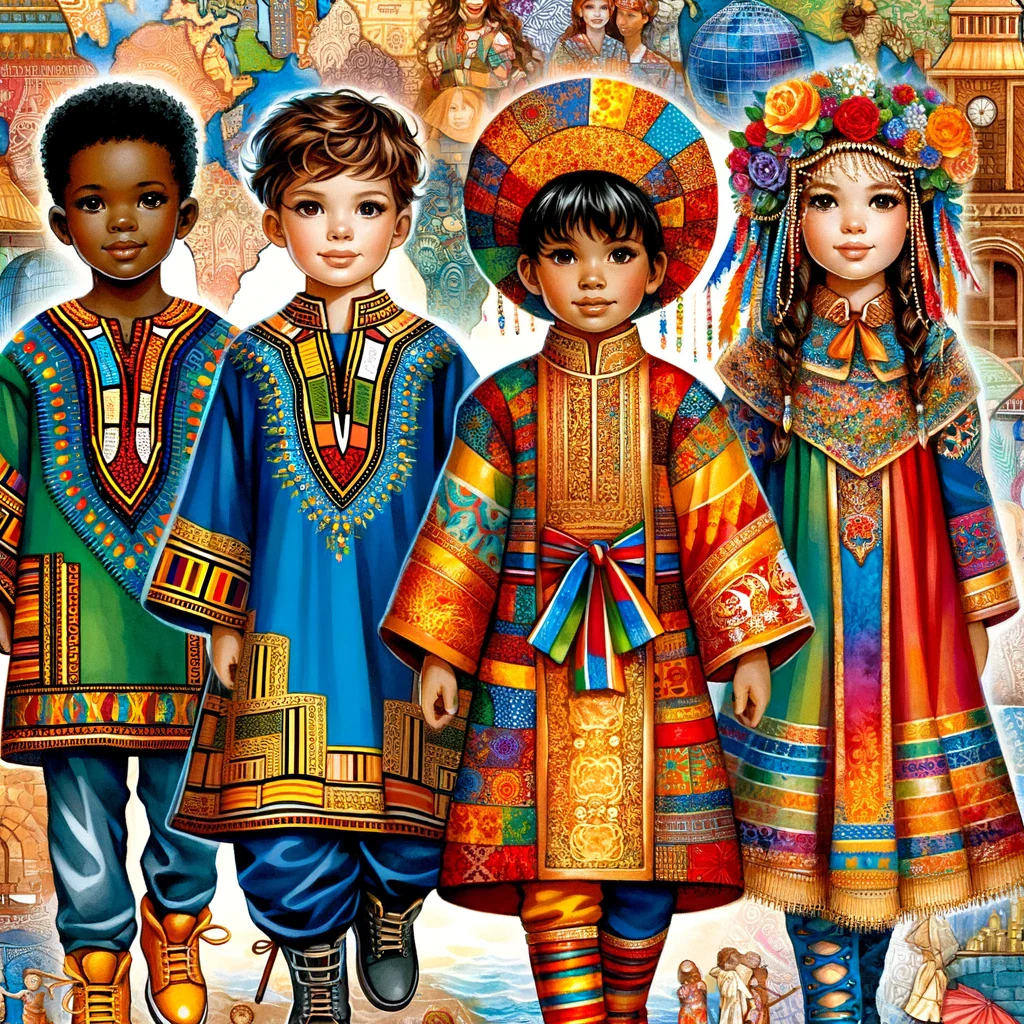
How Children’s Traditional Clothing Reflects Culture Worldwide
The Americas: Culture and Celebration
Native American Children’s Regalia
Native American children wear traditional clothing during ceremonies and cultural events.
-
Beadwork, feathers, and leather
-
Each design has spiritual meaning
-
Clothing reflects tribe and heritage
These outfits help children understand their history and respect their ancestors.
Latin America: Bright and Festive Clothing
Children in Latin America wear traditional attire during festivals and dances.
-
Colorful skirts and shirts
-
Embroidery and woven patterns
-
Lightweight fabrics
These clothes celebrate joy, culture, and community.
Oceania: Nature and Tradition
In places like Hawaii and other Pacific Islands, children wear traditional clothing during cultural performances.
-
Outfits made from plant fibers
-
Floral designs and natural colors
-
Accessories made from shells or flowers
These clothes reflect a deep connection to nature and ancestors.
Common Features of Children’s Traditional Attire
Across cultures, children’s traditional clothing shares many similarities.
Comfort
Children need to move, play, and feel at ease. Traditional outfits are often loose and breathable.
Symbolism
Colors, patterns, and designs often represent good luck, protection, or happiness.
Celebration
These clothes are usually worn during joyful moments like festivals and ceremonies.
Family Connection
Outfits are often made or chosen by family members, strengthening emotional bonds.
Traditional Clothing in Modern Times
Today, many children do not wear traditional clothes daily. Modern clothing is more common for school and play.
However:
-
Traditional outfits are still worn on special occasions
-
Schools and cultural groups encourage traditional dress days
-
Parents teach children the meaning behind the clothes
This helps keep traditions alive while allowing children to live in a modern world.
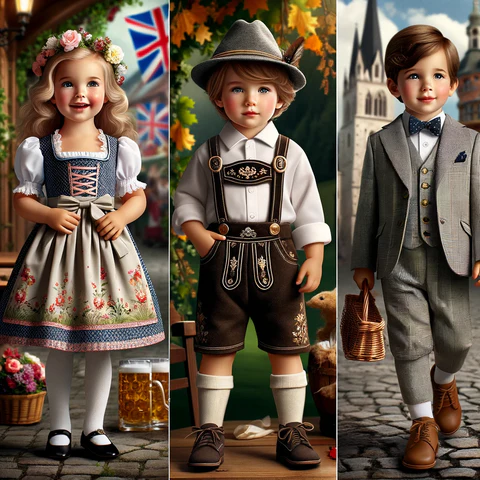 The Role of Parents and Communities
Parents and communities play a big role in preserving traditional attire.
They:
-
Dress children in traditional clothes for events
-
Explain the meaning behind colors and designs
-
Teach respect for culture and history
Through this, children grow up understanding who they are and where they come from.
Challenges to Preserving Traditional Attire
Traditional clothing faces some challenges today.
-
Fast fashion replaces handmade outfits
-
Some traditions are slowly fading
-
Younger generations may feel disconnected
But awareness and education are helping bring interest back.
Why Children’s Traditional Clothing Still Matters
Children’s traditional attire is about more than style. It is about identity, pride, and belonging.
It helps children:
-
Feel connected to their culture
-
Respect diversity
-
Learn history in a personal way
When children wear traditional clothes, culture stays alive.
Final Thoughts
Children’s traditional attire around the world shows how culture lives through the youngest generation. From bright festival outfits to ceremonial dress, each piece tells a story of family, history, and community.
In a fast-changing world, these clothes remind us that traditions still matter. By passing them on to children, we protect culture, celebrate diversity, and build a sense of pride that lasts a lifetime.
Traditional clothing is not just about the past. It is about shaping confident, connected children for the future.
Read Also: Keep your face towards the sunshine and shadows will fall behind you
Watch Also: https://www.youtube.com/@TravelsofTheWorld24






Leave a Reply