
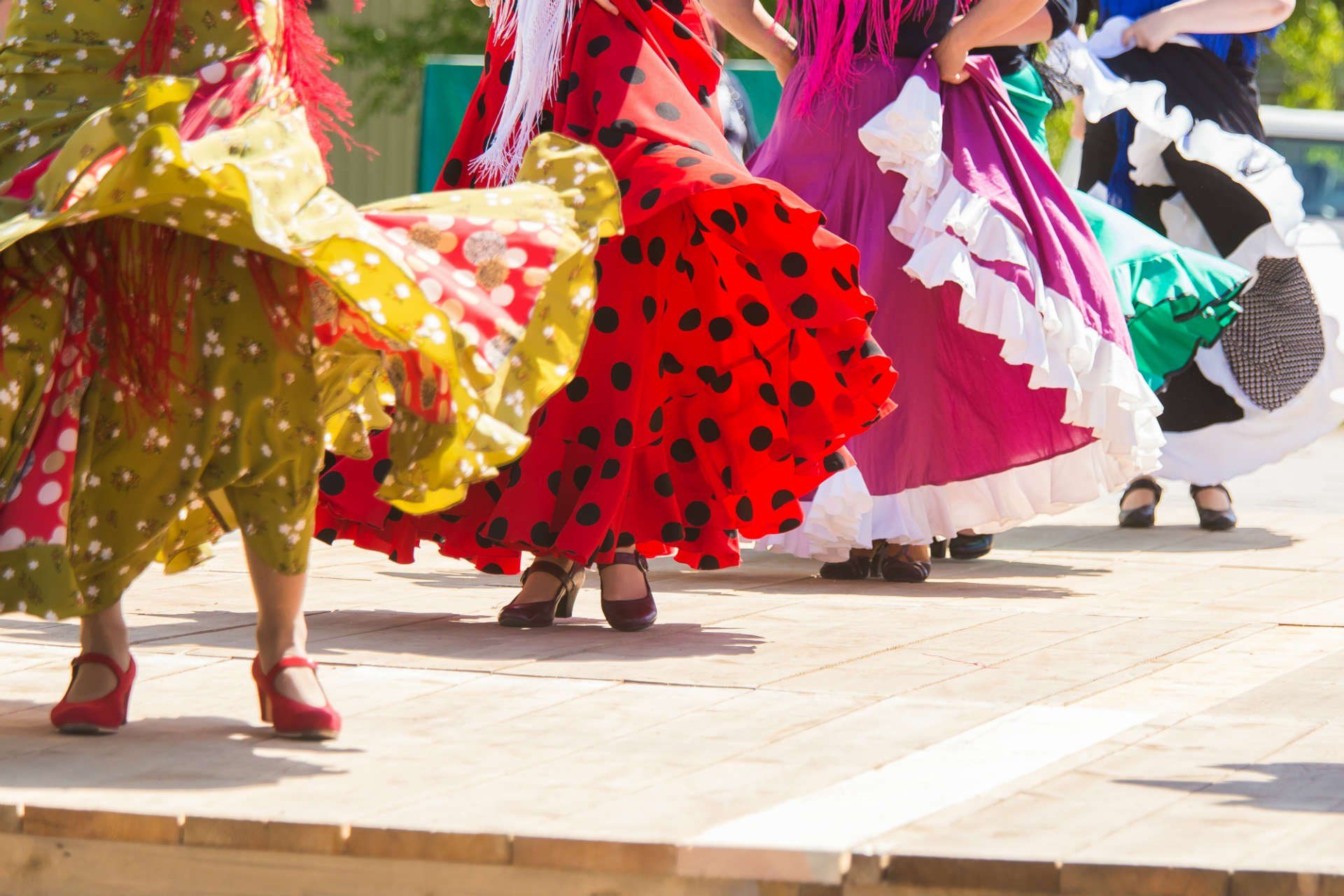
Traditional dress is more than clothing. It is a way people show who they are, where they come from, and what they believe in. Across the world, traditional clothing tells stories about history, climate, religion, celebrations, and daily life. Even today, when modern fashion is everywhere, traditional dress still holds deep meaning.
In this journey around the world, we explore how different cultures express themselves through clothing, why these outfits matter, and how they continue to shape fashion today.
Why Traditional Dress Matters
Traditional clothing connects people to their roots. It is often passed down through families and worn during important moments like weddings, festivals, and religious events.
Traditional dress often shows:
-
Cultural identity
-
Social status or role
-
Beliefs and values
-
Local weather and lifestyle
-
Artistic skills and craftsmanship
Each piece of clothing has a reason behind it. Nothing is random.
Asia: Elegance, Meaning, and Tradition
Japan: Kimono
The kimono is one of the most well-known traditional outfits in the world.
-
Made from silk or cotton
-
Worn by wrapping and tying with a wide belt called an obi
-
Colors and patterns show age, season, and occasion
Kimonos are worn for weddings, tea ceremonies, and festivals. Even though they are not everyday wear now, they remain a strong symbol of Japanese culture.
India: Sari and Traditional Wear
India has one of the most diverse clothing traditions.
-
Sari: A long piece of cloth wrapped in different styles
-
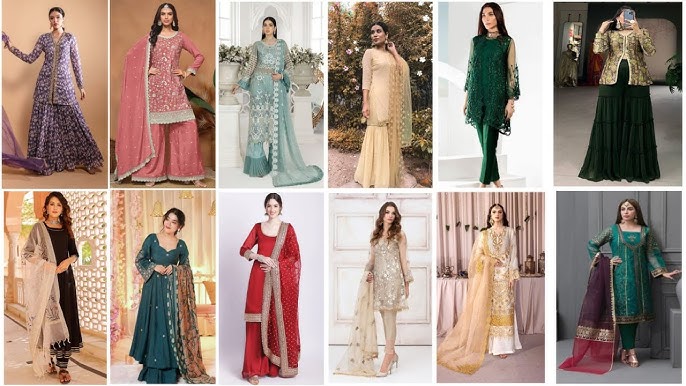
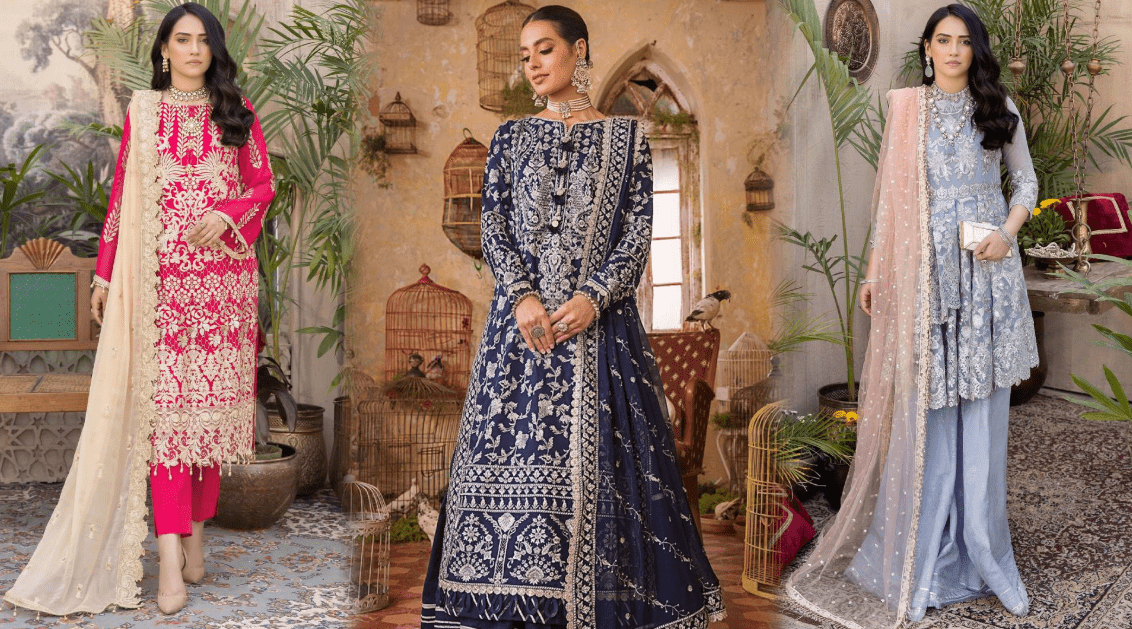
Salwar kameez: A tunic and trousers
-
Lehenga: A long skirt worn for weddings and festivals
Colors have meaning. Red is common for brides. Yellow is linked with joy and religion. Indian clothing is known for embroidery, handwoven fabrics, and detailed work.
China: Hanfu and Qipao
Chinese traditional dress reflects history and social values.
-
Hanfu: Loose robes with long sleeves, worn in ancient China
-
Qipao: A fitted dress with a high collar, popular in modern times
Designs often include dragons, flowers, or symbols of luck and prosperity.
Africa: Color, Pattern, and Community
African traditional dress is bold, colorful, and full of meaning.
West Africa: Kente Cloth
-
Handwoven fabric from Ghana
-
Bright colors and patterns
-
Each color represents something, like strength, peace, or growth
Kente is worn during special events like weddings and ceremonies.
East and Southern Africa: Beadwork and Wraps
-
Beads show age, status, and tribe
-
Wrap garments are practical for warm weather
-
Clothing often changes for festivals or rituals
African clothing is closely linked to community and identity.
Middle East: Modesty and Style
Traditional clothing in the Middle East focuses on modesty, comfort, and respect.
Women’s Dress
-
Abaya: A long black robe
-
Kaftan: A decorative robe worn in many countries
-
Scarves and head coverings vary by region
Men’s Dress
-
Thobe or dishdasha: A long white robe
-
Head coverings protect from sun and heat
These clothes suit the climate and cultural values of the region.
Europe: Heritage and Folk Tradition
European traditional clothing often reflects rural life and history.
Scotland: Kilt
-
A knee-length skirt worn by men
-
Made from tartan fabric
-
Each pattern represents a clan or family
Kilts are worn during weddings, festivals, and national events.
Eastern Europe: Folk Costumes
Countries like Poland, Ukraine, and Romania have rich folk traditions.
-
Embroidered shirts
-
Colorful skirts and vests
-
Floral and geometric designs
These outfits are often worn during dances and cultural festivals.
The Americas: Indigenous and Cultural Roots
Native American Traditional Dress
Native American clothing is deeply spiritual.
-
Made from leather, feathers, and beads
-
Worn during ceremonies and dances
-
Designs show tribal identity and personal achievements
Each outfit is unique and meaningful.
Latin America: Traditional Festival Wear
-
Ponchos: Warm wraps used in South America
-
Huipils: Handwoven tops worn in Mexico and Guatemala
-
Bright skirts and embroidered blouses
Traditional clothing is often worn during festivals and celebrations.
Oceania: Nature and Ancestry
Traditional dress in Oceania reflects a close connection to nature.
Pacific Islands
-
Clothing made from plant fibers
-
Shells and feathers used as decoration
-
Floral patterns are common
In places like Hawaii, traditional clothing is worn during cultural dances and ceremonies.
Common Themes Across the World
Even though cultures are different, traditional clothing often shares similar ideas.
1. Identity
Clothing shows where someone comes from and who they belong to.
2. Craftsmanship
Skills like weaving, dyeing, and embroidery are passed down for generations.
3. Symbolism
Colors, patterns, and shapes all have meaning.
4. Ceremony
Traditional clothes are often worn for special events, not daily life.
5. Climate
Designs suit the local weather and environment.
Traditional Dress in the Modern World
Today, traditional clothing is not always worn daily, but it still matters.
-
Designers use traditional patterns in modern fashion
-
Young people mix traditional and modern styles
-
Cultural festivals keep traditions alive
Traditional clothing is finding new life in modern ways.
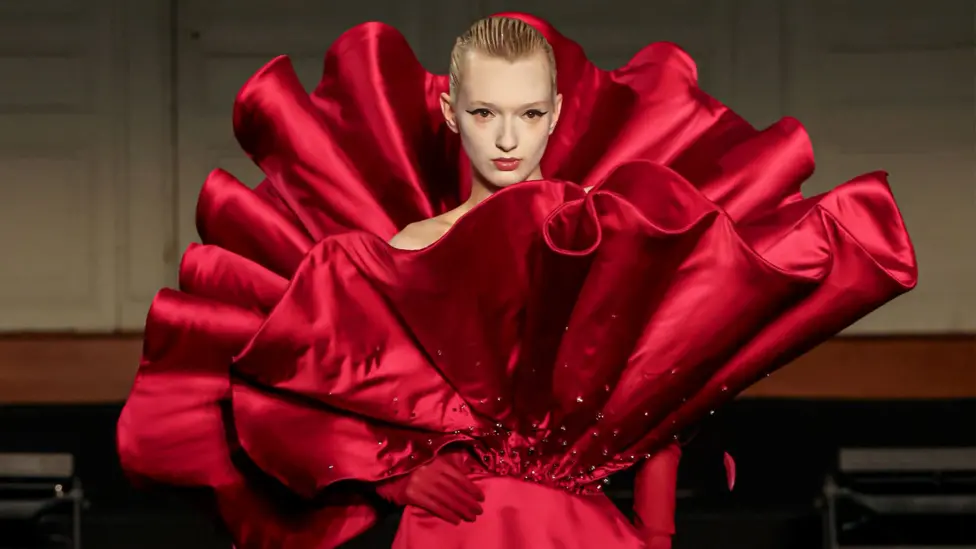
The Role of Fashion Designers
Many designers now look to traditional dress for inspiration.
They:
-
Use handwoven fabrics
-
Respect old techniques
-
Support local artisans
This helps preserve culture while creating something new.
Challenges to Traditional Clothing
Traditional dress faces some problems today.
-
Fast fashion replaces handmade clothing
-
Younger generations may lose interest
-
Skills risk being forgotten
But awareness, education, and pride in culture are helping protect these traditions.
Why Preserving Traditional Dress Is Important
Traditional clothing is like a living history book.
It teaches us about:
-
How people lived
-
What they valued
-
How they expressed beauty
Protecting traditional dress means protecting culture itself.
Final Thoughts
Traditional dress around the world shows how creative, thoughtful, and meaningful clothing can be. Every culture has found its own way to turn fabric into identity.
In a fast-moving world, traditional clothing reminds us to slow down, respect history, and appreciate craftsmanship. It connects the past to the present and inspires the future of fashion.
Read Also: Keep your face towards the sunshine and shadows will fall behind you
Watch Also: https://www.youtube.com/@TravelsofTheWorld24





Leave a Reply