
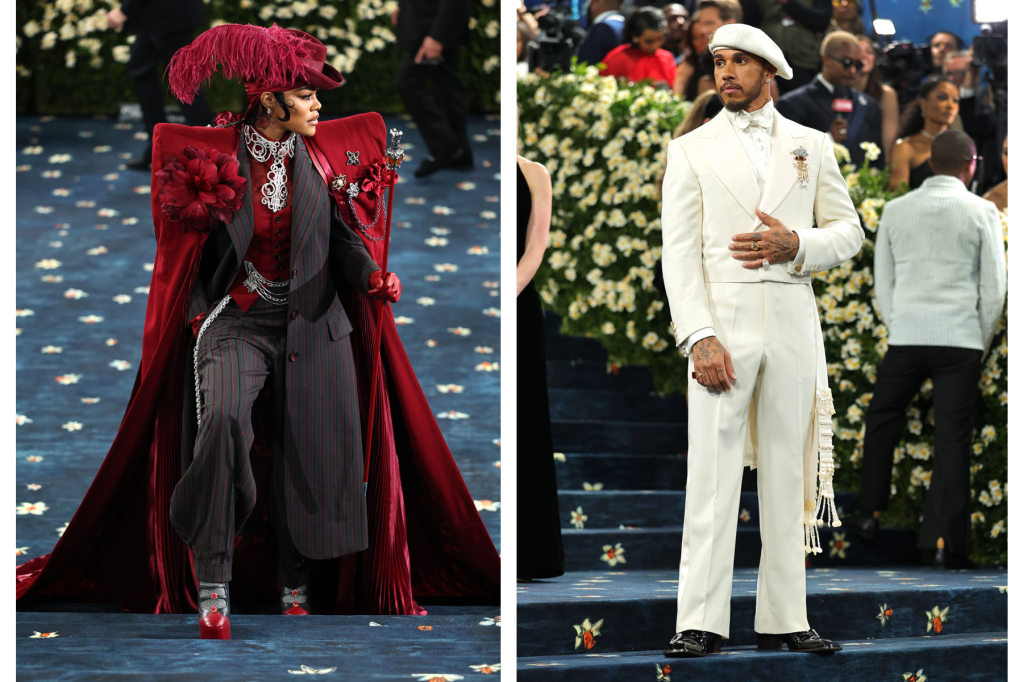
The Met Gala is more than just a star-studded red carpet event. It’s where fashion meets culture, politics, and self-expression. While many people see the Gala as a night of glitz, glamour, and spectacle, for some designers and celebrities, it’s also a platform to make statements, push boundaries, and stand for something bigger.
This year, the theme of the Gala inspired looks that went beyond beauty. Celebrities used fashion as a form of resistance, whether against societal norms, gender expectations, or global issues. The result? A night where outfits weren’t just about turning heads—they were about sparking conversation, challenging ideas, and highlighting causes.
Fashion as Political Expression
The idea that clothes can communicate messages is not new. Fashion has always been a tool for self-expression and rebellion. From the punk movement in the 1970s to the power suits of the 1980s, style has been used to question authority, redefine identity, and inspire change.
At the Met Gala, this concept reaches its peak. Designers collaborate with celebrities to create looks that carry messages, whether subtle or bold. This year, many attendees chose to make statements about:
-
Gender and identity
-
Climate change and sustainability
-
Social justice and activism
-
Cultural heritage and representation
The result is a fashion show that doubles as a social commentary, proving that style can be meaningful as well as beautiful.
Gender-Fluid and Androgynous Fashion
One of the most visible forms of resistance at the Gala was gender-fluid fashion. Celebrities are increasingly rejecting traditional male and female dress codes, instead opting for androgynous silhouettes, skirts for men, and bold gowns for anyone.
This trend challenges long-standing norms in fashion and society:
-
Men wearing gowns or flowing fabrics
-
Women in oversized suits with traditionally masculine details
-
Mixing traditionally masculine and feminine accessories
Not only does this look striking on the red carpet, but it also makes a statement about freedom of expression and the fluidity of identity.
Why it matters: By breaking gender norms in fashion, these celebrities are showing that clothing doesn’t define who you are. It’s a powerful, visual act of resistance.
Sustainability and Ethical Fashion
Another major theme of resistance at the Gala is sustainable and ethical fashion. Many designers are using the event to highlight eco-friendly practices, showing that luxury and responsibility can coexist.
This year, attendees embraced:
-
Upcycled garments: Dresses and suits made from recycled or repurposed materials
-
Locally sourced fabrics: Reducing carbon footprints while supporting artisans
-
Transparent production: Highlighting brands that prioritize ethical labor practices
Wearing sustainable fashion on the Met Gala is a statement against fast fashion and overconsumption. It shows that luxury doesn’t have to cost the planet, and high-profile events can be platforms for environmental awareness.
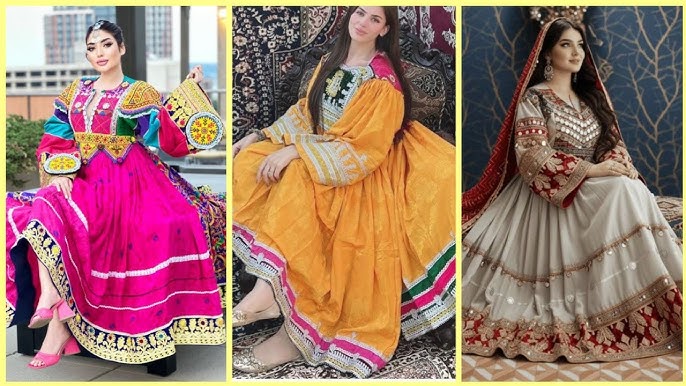
Cultural Heritage and Representation
Many Met Gala looks celebrated cultural heritage and diverse identities, challenging the fashion industry’s history of exclusivity. Celebrities and designers embraced:
-
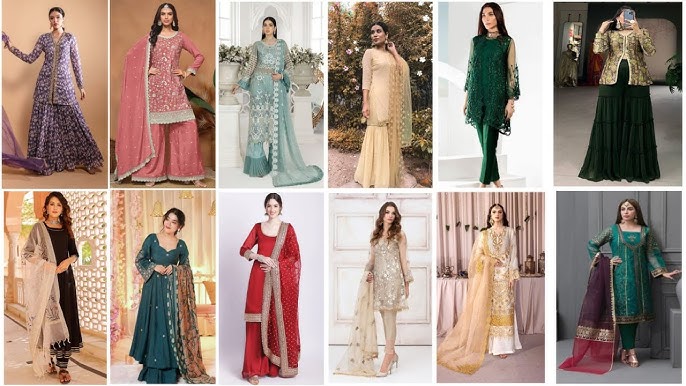
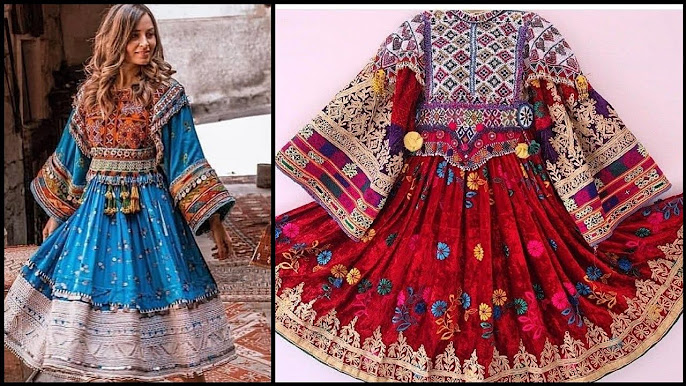
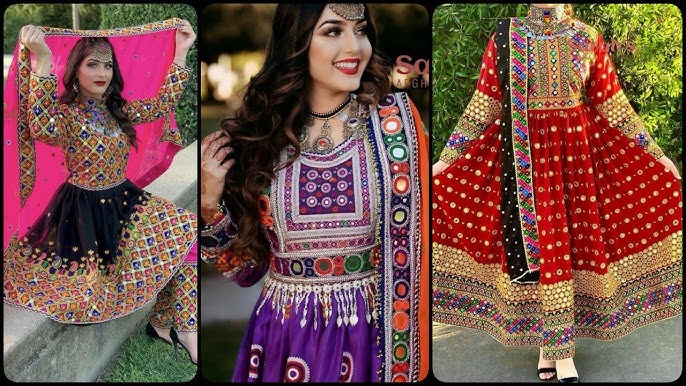
Traditional textiles and embroidery from their cultures
-
Historical silhouettes with modern twists
-
Storytelling through prints, colors, and accessories
These choices honor ancestry, identity, and the voices often overlooked in fashion. They’re a reminder that resistance can also mean claiming space and representation in industries where certain voices have been marginalized.
Bold Statements Through Accessories
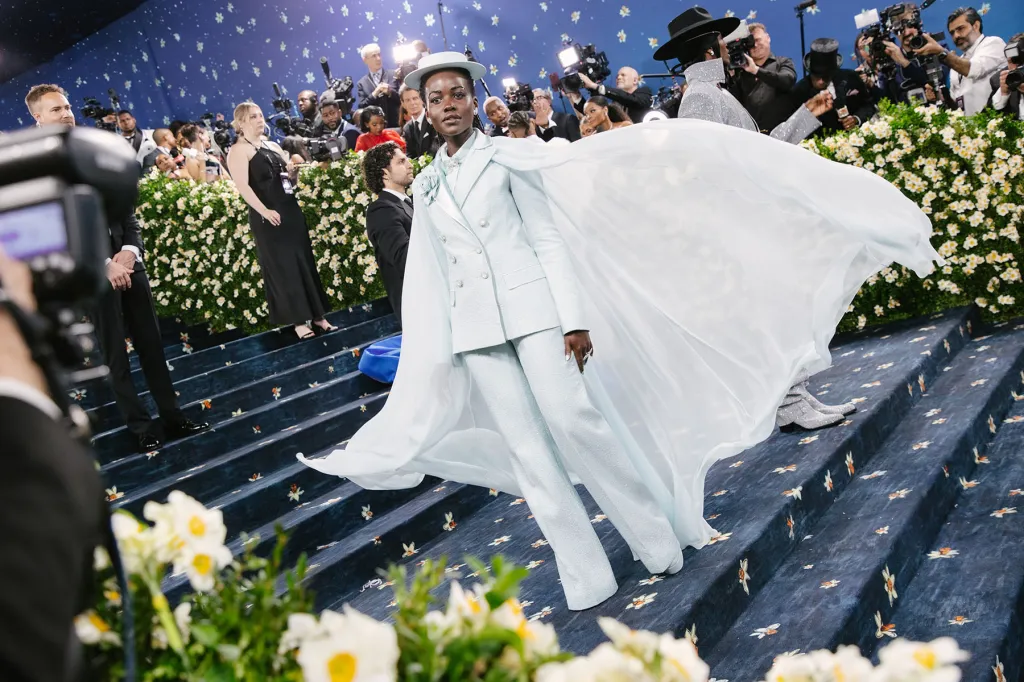
Accessories at the Gala are not just decorative—they are tools of messaging. From bold jewelry to statement shoes, accessories have been used to highlight causes and spark conversation.
Examples include:
-
Jewelry shaped like protest signs or symbolic objects
-
Handbags with messages of empowerment
-
Shoes inspired by social justice themes
These subtle yet intentional details turn fashion into a dialogue, proving that every element of an outfit can carry meaning.
Performance and Fashion
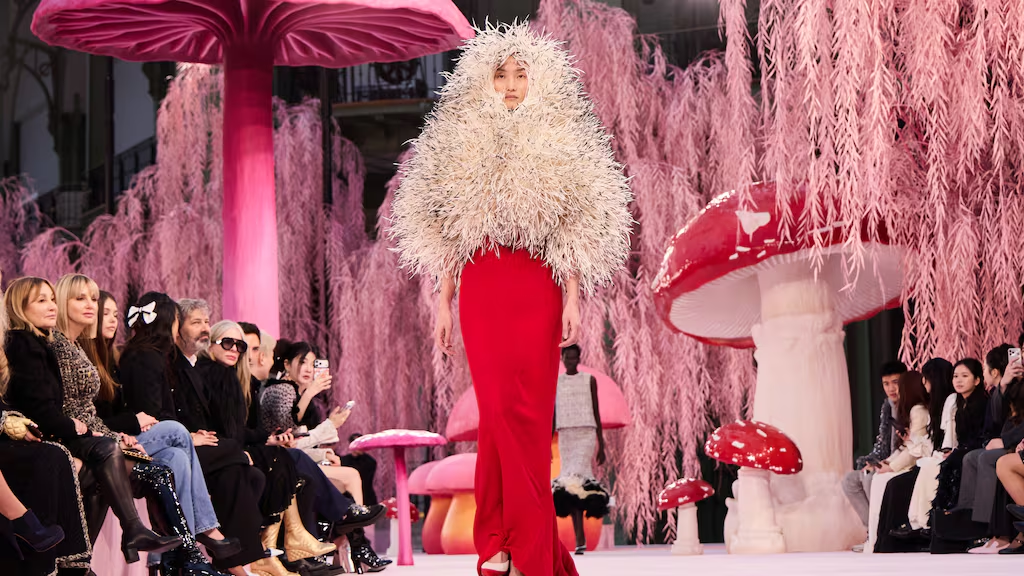
At the Gala, fashion is sometimes performance art. Some celebrities use theatrical elements to amplify their message, turning outfits into storytelling devices.
This year, looks included:
-
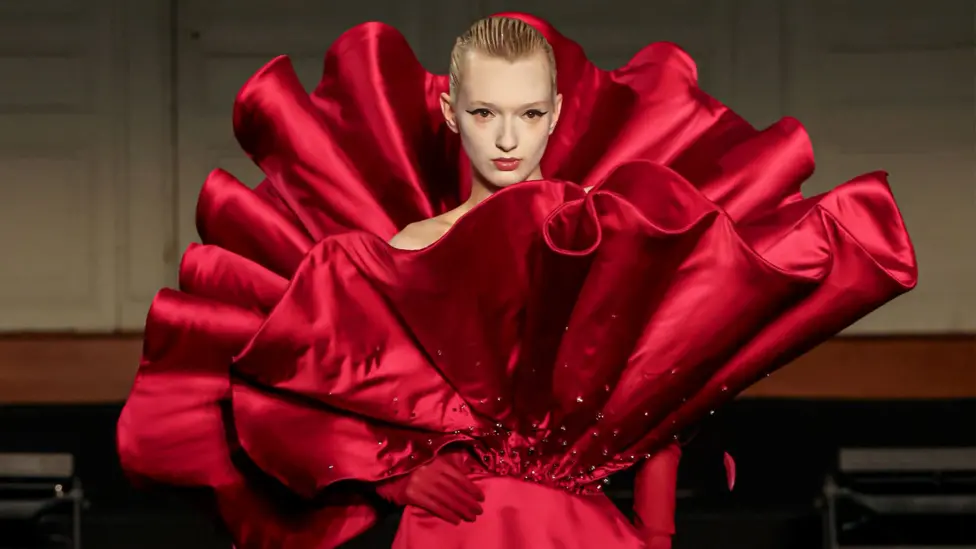
Oversized gowns that required careful movement, symbolizing power and presence
-
Layered fabrics representing history and struggle
-
Dramatic color palettes highlighting emotion or conflict
By blending performance with style, these celebrities make the red carpet a stage for resistance, showing that fashion isn’t just worn—it’s experienced and interpreted.
Challenging Beauty Standards
Another form of resistance is challenging traditional beauty standards. Many attendees opted for looks that defy conventional ideas of glamour.
Examples include:
-
Non-traditional hairstyles and hair colors
-
Makeup that emphasizes individuality rather than perfection
-
Bold body silhouettes that reject societal pressure to conform
This approach sends a message: beauty isn’t one-size-fits-all. By embracing authenticity, these stars push back against unrealistic expectations and encourage self-expression.
Intersection of Art and Fashion
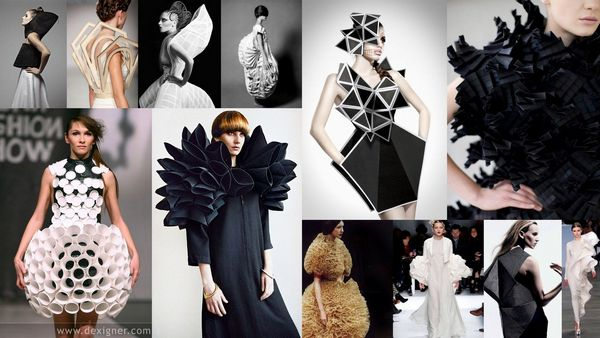
The Met Gala has always been where art and fashion collide. This year, designers created outfits inspired by activism, historical movements, and contemporary social issues. The gowns, suits, and accessories functioned as visual essays, each telling a story about resilience, empowerment, or resistance.
Artistic inspiration at the Gala included:
-
Political paintings and murals
-
Historical garments reimagined with modern materials
-
Symbols of protest and solidarity incorporated into design
Through this intersection, fashion becomes more than clothing—it becomes a medium for ideas. Celebrities and designers collaborate to create wearable statements that challenge audiences to think, feel, and reflect.
Notable Looks That Made a Statement
This year, several attendees stood out for using fashion as a form of resistance:
-
Celebrity A wore a gown made entirely of recycled fabrics, highlighting sustainability and ethical production.
-
Celebrity B embraced a gender-fluid ensemble, challenging norms and celebrating identity.
-
Celebrity C incorporated traditional textiles from their heritage, celebrating culture and representation.
-
Celebrity D used bold accessories inspired by social justice symbols, making every detail meaningful.
Each look shows that fashion at the Met Gala can be purposeful, beyond aesthetics or celebrity glamour.
How to Incorporate Resistance-Inspired Fashion in Everyday Life
You don’t need a red carpet to bring these ideas into your wardrobe. Here’s how you can translate Met Gala-inspired resistance fashion into everyday style:
-
Gender-fluid clothing: Experiment with oversized blazers, skirts, or mix-and-match styles.
-
Sustainable fashion: Choose recycled fabrics, thrifted pieces, or brands that prioritize ethical production.
-
Cultural appreciation: Incorporate traditional patterns, colors, or accessories from your heritage.
-
Bold accessories: Use jewelry, scarves, or bags to convey messages or highlight causes.
-
Personal expression: Break conventional beauty rules—try bold colors, unusual cuts, or unique silhouettes.
Even small choices, like a statement scarf or ethically sourced shoes, can reflect your values and style philosophy.
Why Fashion as Resistance Matters
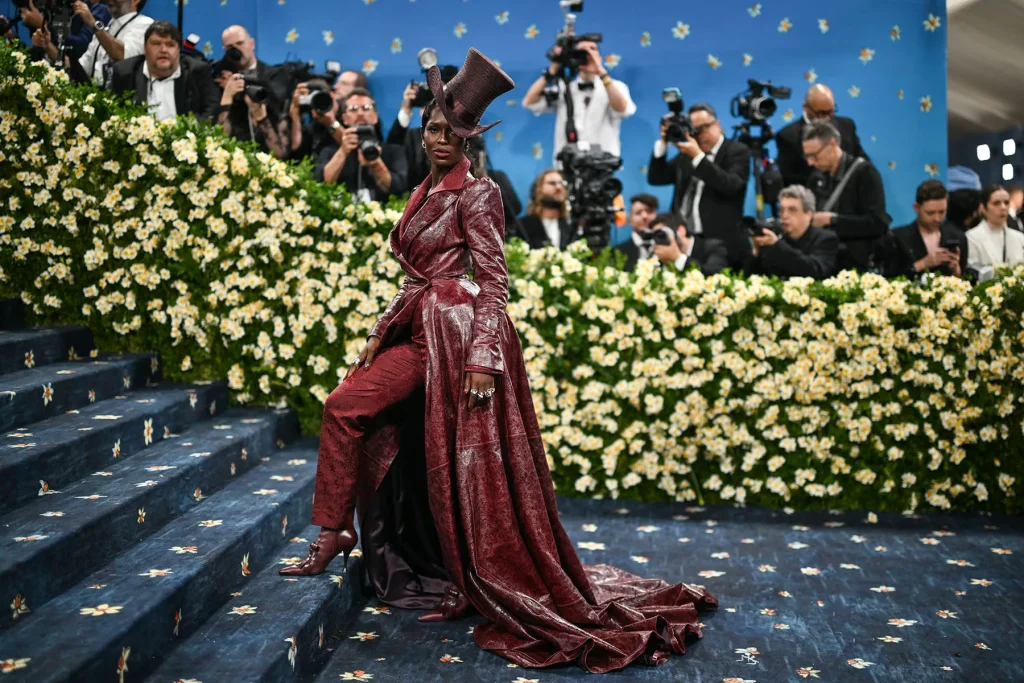
Using fashion as a tool for resistance does more than turn heads—it creates conversation, raises awareness, and challenges norms. Celebrities and designers leverage their platforms to:
-
Encourage dialogue about pressing issues
-
Promote ethical and sustainable practices
-
Celebrate diversity and inclusion
-
Inspire people to express themselves freely
When fashion intersects with activism, it becomes a language everyone can understand, showing that style can be powerful, purposeful, and personal.
The Future of Resistance in Fashion
The Met Gala is a glimpse into the future. As designers, celebrities, and audiences continue to embrace fashion as a platform for ideas and change, we can expect:
-
More gender-neutral collections
-
Increased focus on sustainability and transparency
-
Greater representation of diverse cultures and identities
-
Innovative uses of symbolism and storytelling in design
Fashion will continue to push boundaries, challenging what is acceptable and encouraging everyone to think critically about how style intersects with society.
Final Thoughts
The Met Gala isn’t just a glamorous night of celebrity outfits—it’s a showcase of creativity, courage, and resistance. From gender-fluid ensembles to sustainable couture, cultural celebration to bold accessories, the fashion on this red carpet proves that style can be meaningful and transformative.
Attendees are sending messages with every choice, showing that fashion isn’t only about beauty—it’s about voice, values, and visibility. Every gown, suit, and accessory can be a form of activism, storytelling, or rebellion.
This year, the Met Gala reminded us that clothing is not neutral. It can stand for something, challenge norms, and inspire change. In a world where words are not always enough, fashion on the frontlines of resistance is a powerful tool to be seen, heard, and remembered.
The takeaway? Whether you’re attending a Gala or simply dressing for your day, your wardrobe can reflect your beliefs, tell your story, and make a statement. Fashion is more than fabric—it’s a form of resistance.
Read Also: Keep your face towards the sunshine and shadows will fall behind you
Watch Also: https://www.youtube.com/@TravelsofTheWorld24





Leave a Reply