
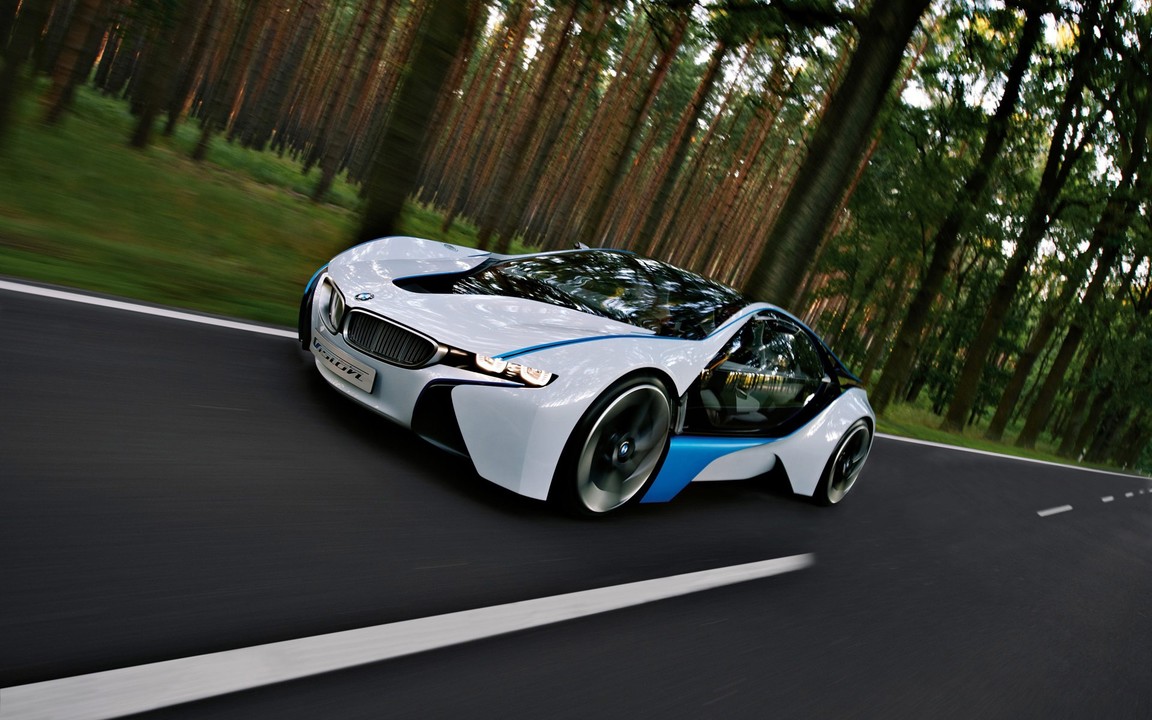
BMW has always been known for innovation, luxury, and engineering excellence. From creating powerful engines to designing stylish cars, the company has a long history of leading the automotive world. Now, BMW is focusing on a new technology that could shape the future of car production—3D printing.
3D printing, also called additive manufacturing, is the process of creating objects layer by layer using materials like plastic, metal, or carbon fiber. Instead of cutting parts from a larger block of material, 3D printing builds them from the ground up. This saves time, reduces waste, and allows for more creative designs.
BMW has been exploring 3D printing for many years. In fact, the company started using this technology in the 1990s for prototype parts. At first, it was mainly used to test ideas quickly before moving into full production. But today, BMW is taking things much further.
One of the biggest benefits of 3D printing for BMW is speed. Traditional car manufacturing can take weeks or months to produce a new part. Special molds, machines, and tools are often needed. With 3D printing, engineers can create a new part in just a few days or even hours. This helps BMW develop new cars faster and bring fresh ideas to market sooner.
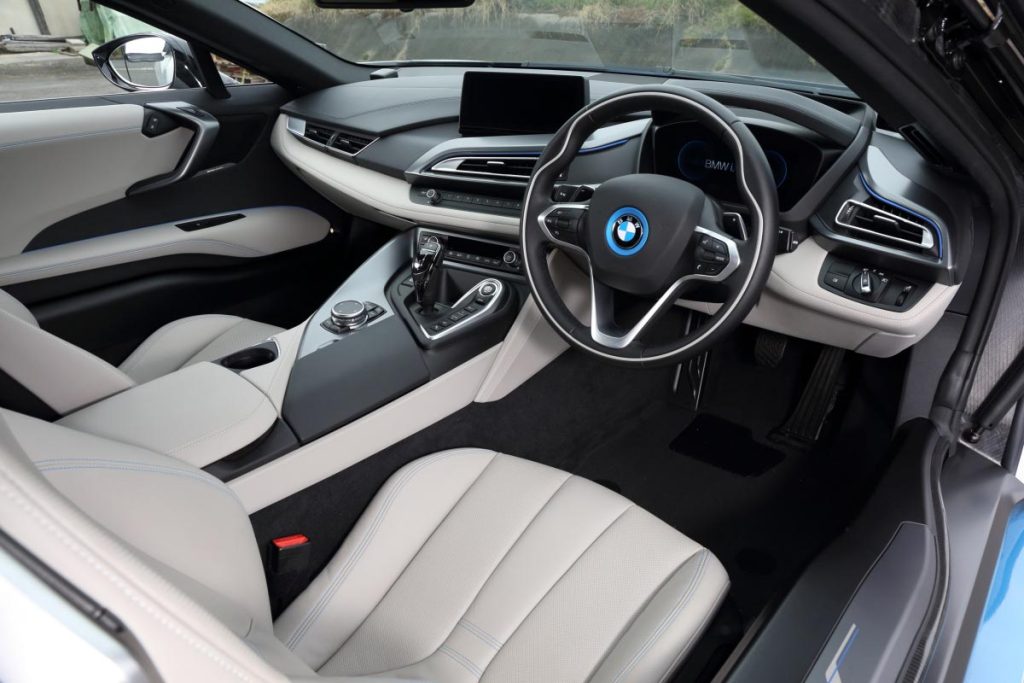
Another major advantage is customization. Many BMW buyers want their cars to feel unique. With 3D printing, BMW can make custom interior pieces, badges, trims, and special design elements without needing expensive factory changes. This means customers could have more choices when ordering their dream car.
BMW is also using 3D printing for lightweight parts. In the auto industry, reducing weight is very important because lighter cars use less fuel and can perform better. 3D-printed metal parts can be strong while using less material. This is especially useful for sports cars and electric vehicles, where every kilogram matters.
The Future of BMW Manufacturing With 3D Printing
The company has already shown impressive results. BMW has used 3D printing for roof brackets, window guides, engine components, and even parts for motorsport vehicles. Some race car parts are made faster and perform better thanks to this technology. Motorsport often acts as a testing ground for future road cars, so what works on the track may soon appear in everyday BMW models.
Sustainability is another reason BMW is investing in 3D printing. Traditional manufacturing can waste a lot of raw material. 3D printing uses only what is needed, which helps reduce scrap. It can also lower transport costs because parts may be printed closer to where they are needed instead of shipped from far away.
However, 3D printing still has challenges. Producing millions of identical parts quickly is where traditional factories remain stronger. Some printed materials are also expensive, and large-scale production can still be slower for certain components. That means 3D printing may not replace every factory machine anytime soon.
Instead, the future will likely be a mix of both methods. BMW can use traditional production for common parts and 3D printing for special, complex, or custom pieces. This hybrid approach gives the best of both worlds—efficiency and creativity.
Experts believe 3D printing will become even more important as electric vehicles grow in popularity. EVs need lightweight designs, cooling systems, and smart packaging for batteries. These are areas where 3D printing can help engineers create better solutions.
So, is the future for BMW 3D printing? The answer looks increasingly positive. BMW is already proving that additive manufacturing can improve speed, customization, sustainability, and performance. While it may not replace traditional factories completely, it is set to become a key part of how BMW designs and builds cars in the years ahead.
For BMW, the future may not be printed entirely—but it will definitely be printed in part.
Read Also: Keep your face towards the sunshine and shadows will fall behind you
Watch Also: https://www.youtube.com/@TravelsofTheWorld24





Leave a Reply