
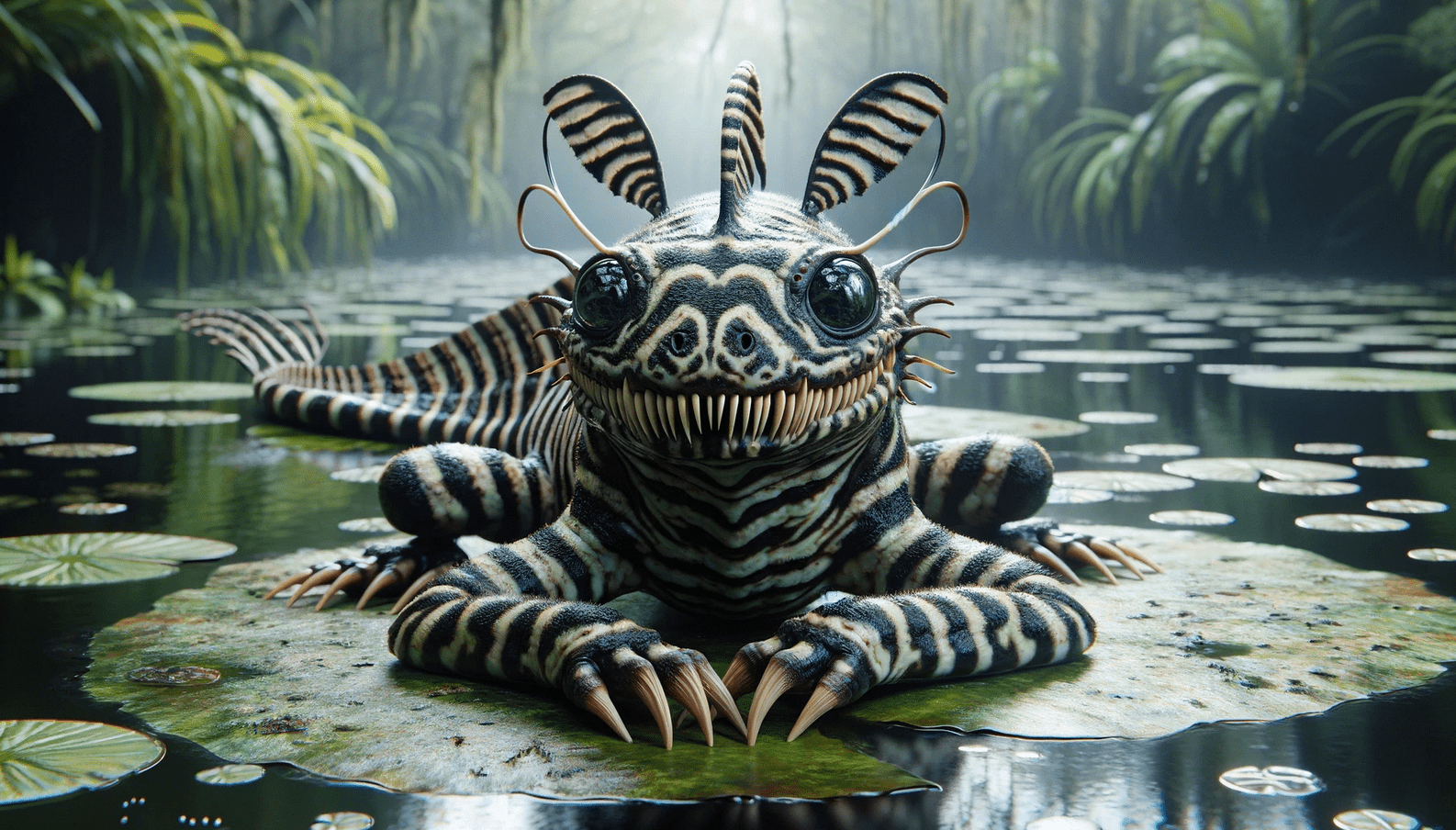
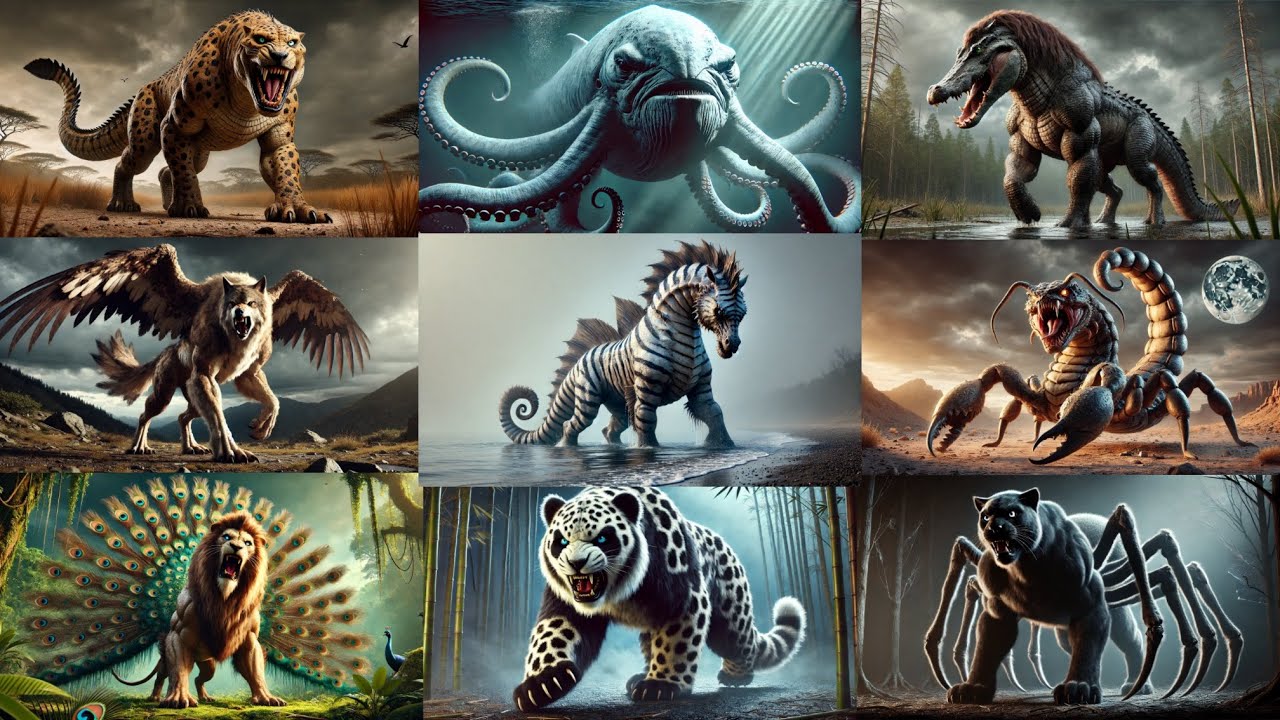
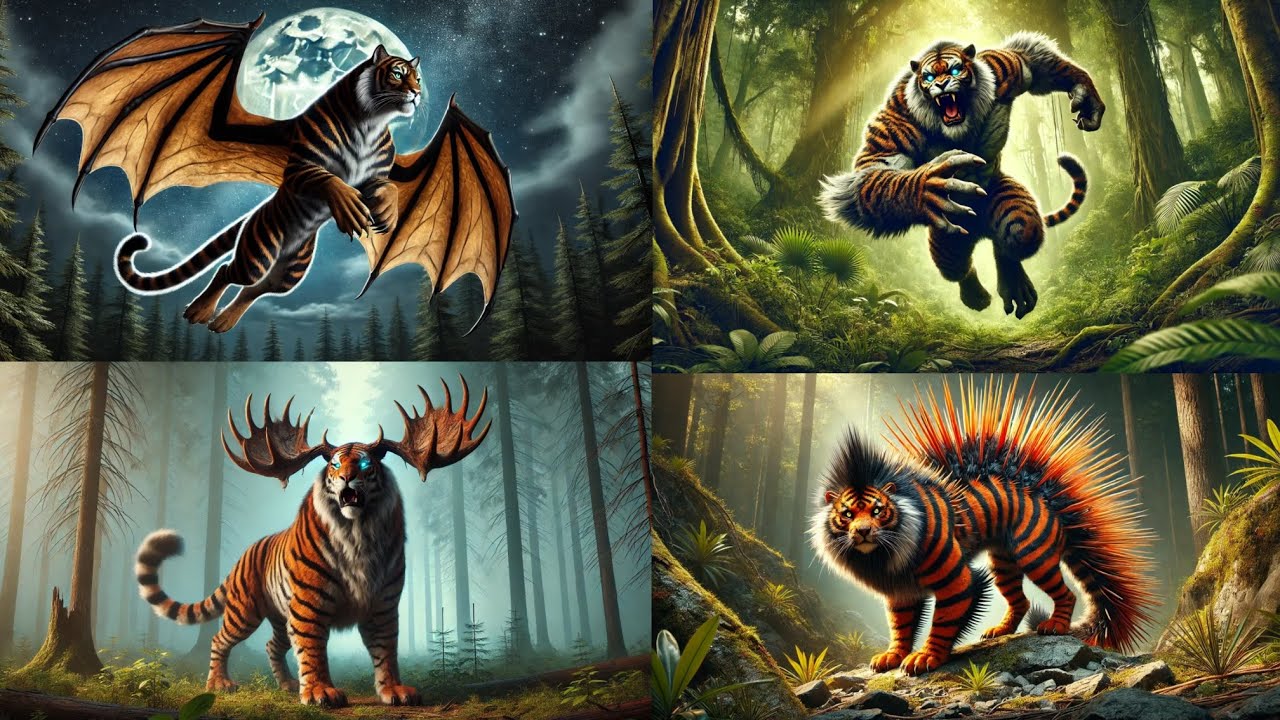
Teaching children about animal adaptation can sometimes feel challenging. Many students struggle to understand how body parts and behaviors help animals survive in different environments. A creative and exciting way to solve this problem is by using AI-created animal mashups. These fun imaginary creatures combine features from two or more animals, helping students explore how adaptations work in a simple and engaging way.
Animal adaptations are special features or behaviors that help living things survive. Some animals have thick fur to stay warm, while others have long legs to run fast. Birds may have sharp beaks to catch food, and fish have fins to swim easily. Instead of only reading about these facts in books, students can learn by creating new animals and thinking about how each body part would help them live.
For example, imagine a creature with the body of a turtle and the wings of an eagle. Students can discuss where it would live. Would it stay in the ocean, fly in the sky, or live near cliffs? They can think about why a shell would protect it and how wings would help it move. This turns science learning into a fun problem-solving activity.
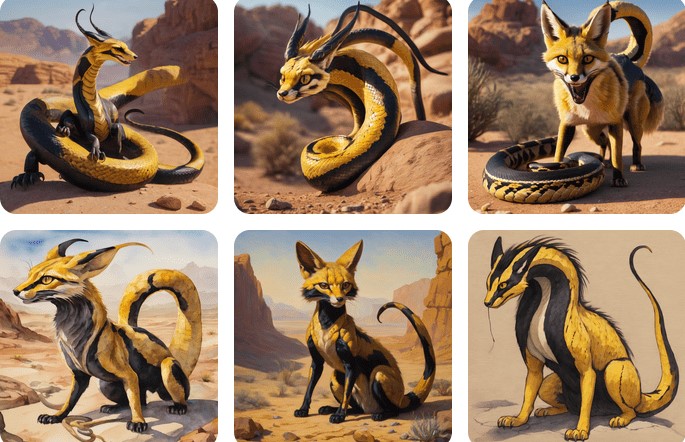 Another example could be a cheetah mixed with a camel. It may have the speed of a cheetah and the hump of a camel. Students can guess that it would survive in hot deserts, using speed to escape danger and storing fat for energy. Through these mashups, students begin to understand that every feature has a purpose.
Teachers can use AI tools to generate pictures of these mixed animals. A teacher simply types a description such as “half penguin, half lion” or “frog with butterfly wings,” and the AI creates an image. These visuals make lessons more exciting because students can clearly see the imaginary creature instead of only imagining it in their minds.
Once the images are ready, teachers can ask questions like:
- What habitat would this animal live in?
- How would it find food?
- How would it protect itself?
- Which body part is most useful?
- What problems might it face?
These questions build critical thinking skills. Students must use science knowledge to explain their answers. They learn that adaptations are linked to habitat, food, climate, and survival.
This activity also supports creativity. Students enjoy designing strange animals and sharing their ideas with classmates. Some may create a shark with monkey arms for climbing rocks near the sea. Others may design a rabbit with owl eyes for seeing at night. There are endless possibilities, which keeps learners interested.
Group work can make the lesson even better. Students can work in teams to create one mashup animal together. They can discuss ideas, solve problems, and present their creature to the class. This improves teamwork and speaking skills while reinforcing science concepts.
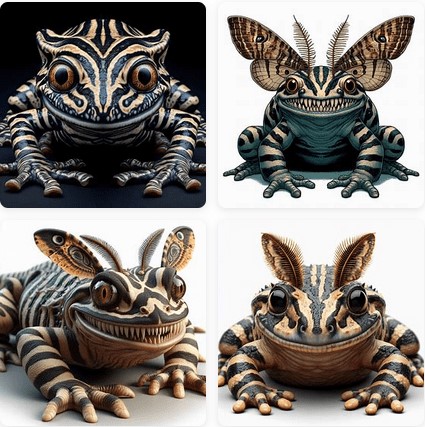
Fun Ways to Learn Animal Adaptation with AI Creatures
Teachers can also connect the lesson with writing. Ask students to write a short paragraph describing their animal, its habitat, diet, and survival skills. This combines science with language learning in a natural way.
AI-created animal mashups turn a basic science topic into an exciting classroom experience. They help students understand that animals survive because of useful features developed over time. By mixing imagination with science, teachers can make adaptation lessons more memorable, interactive, and fun for every learner.
Read Also: Keep your face towards the sunshine and shadows will fall behind you
Watch Also: https://www.youtube.com/@TravelsofTheWorld24





Leave a Reply