
In today’s world, we’re surrounded by diet trends promising quick results—keto, juice cleanses, intermittent fasting, and so many more. While some of these diets can work for short periods, relying on extreme diets long-term is often unhealthy and unsustainable. The better approach is simple: focus on balanced food choices that nourish your body and fit your lifestyle.
Balanced eating is about enjoying a variety of foods, getting the nutrients your body needs, and feeling good without stress or guilt. Here’s a guide to shifting from extreme diets to a healthier, more sustainable approach.
1. Why Extreme Diets Often Fail
Extreme diets usually promise rapid weight loss or dramatic changes. But they often involve:
- Cutting out entire food groups
- Severely restricting calories
- Following complicated or rigid rules
These restrictions can be hard to maintain. Once you stop the diet, it’s easy to regain weight or slip back into old habits. Worse, some extreme diets can lead to nutrient deficiencies, low energy, and even health problems over time.
2. Understanding Balanced Food Choices
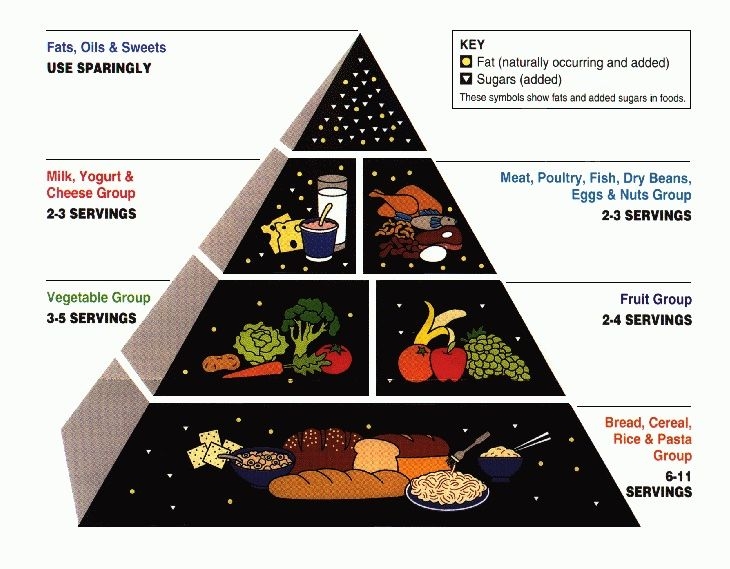
Balanced eating doesn’t mean perfection. It’s about including a variety of foods in the right proportions:
- Fruits and vegetables: Provide vitamins, minerals, and fiber
- Whole grains: Give energy and support digestion
- Proteins: Build and repair muscles and tissues
- Healthy fats: Support brain and heart health
- Moderate treats: Allow enjoyment without guilt
When your meals include these components, your body gets what it needs without feeling deprived.
3. Benefits of Balanced Eating
Shifting to balanced food choices has many advantages:
- Sustainable results: Weight and energy are easier to maintain
- Better nutrition: Your body gets all essential nutrients
- Reduced cravings: Extreme restrictions often lead to binge eating
- Improved mood: Eating a variety of foods supports brain health
- Flexible lifestyle: Balanced eating fits your daily life
Unlike extreme diets, balanced eating is practical and long-term.
4. Practical Tips for Balanced Meals
Here are simple ways to make your meals balanced:
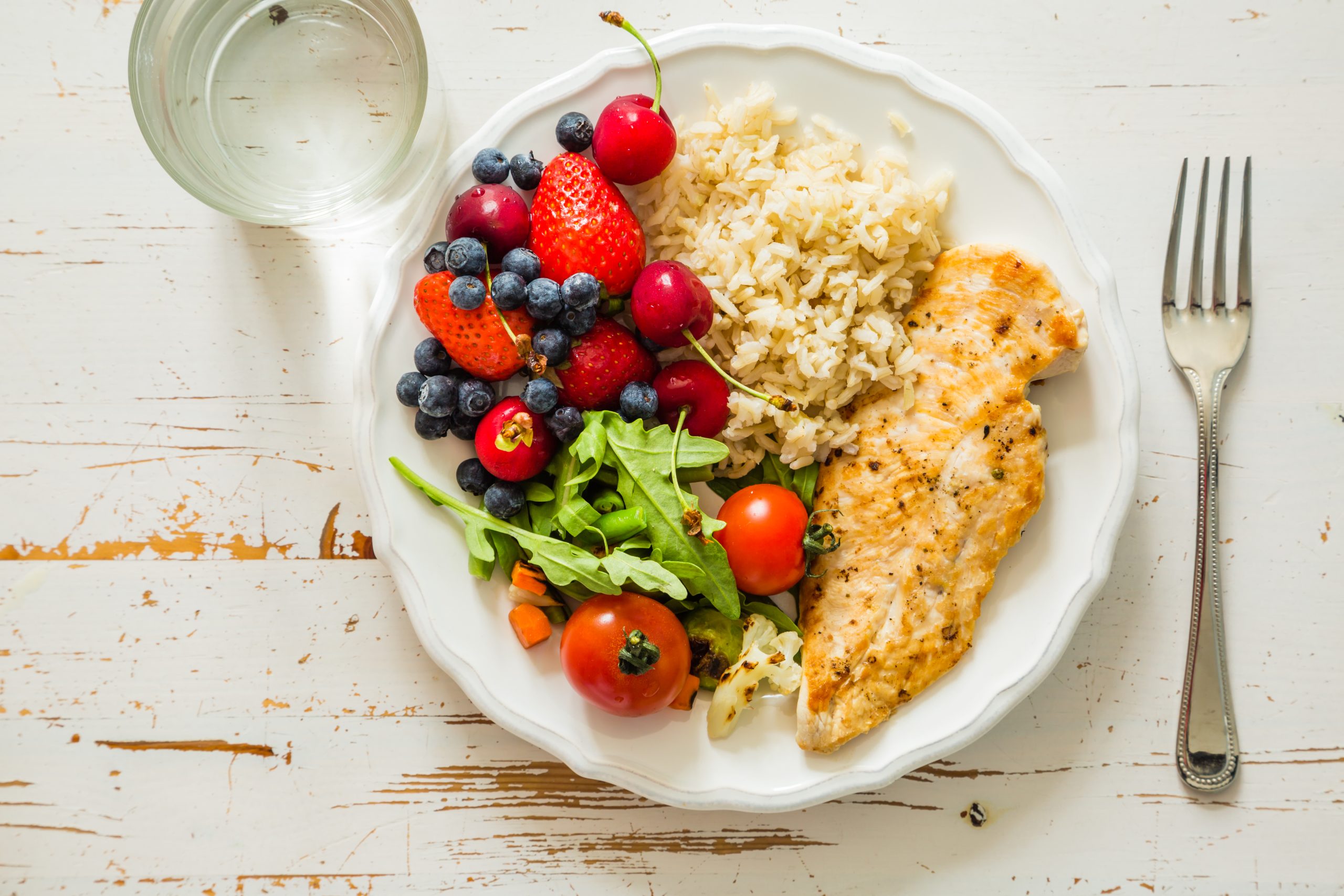
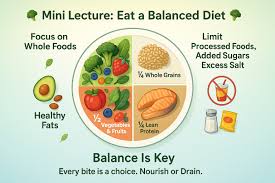
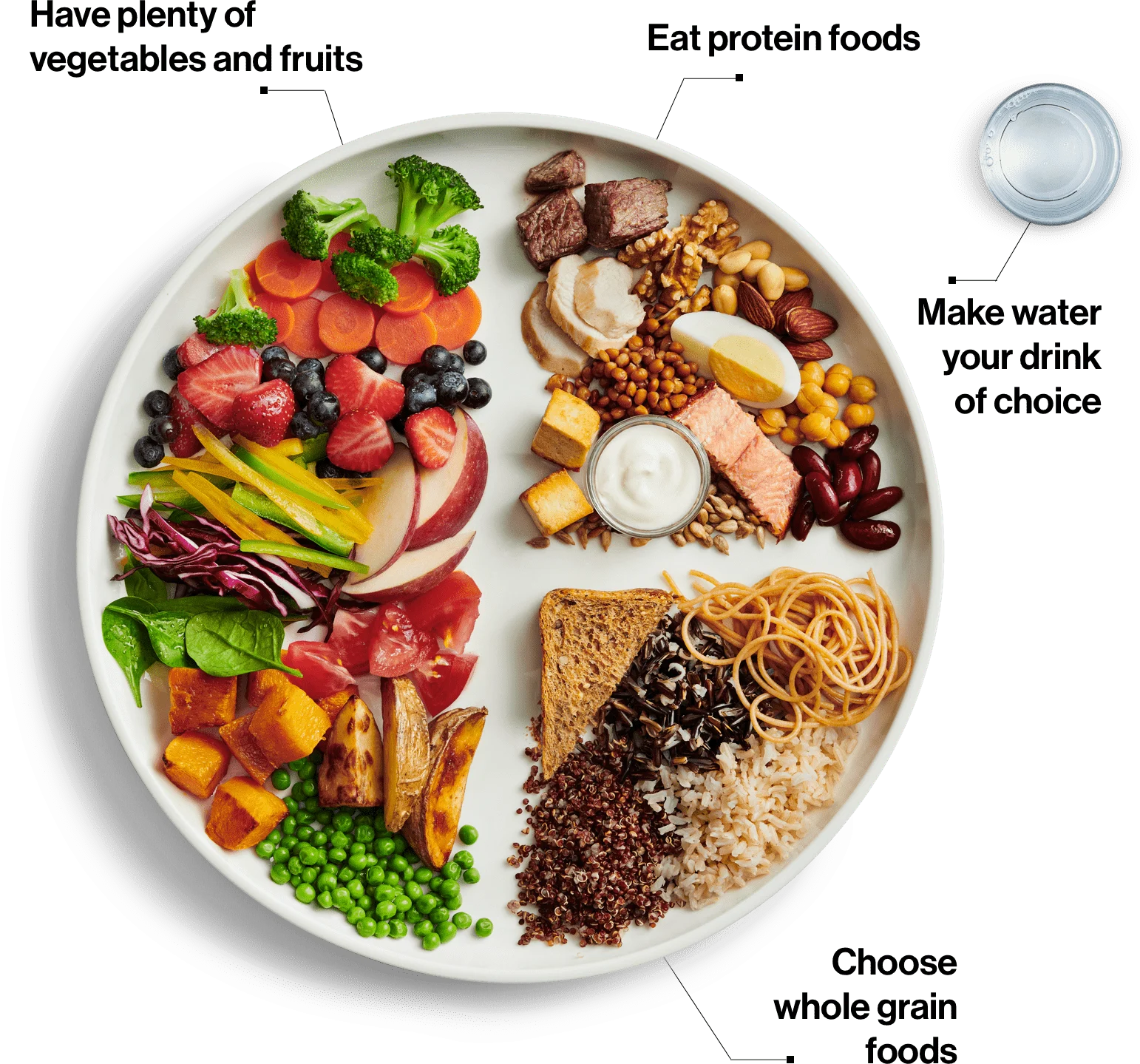
- Fill half your plate with vegetables and fruits
- Use one-quarter of your plate for protein like meat, fish, eggs, or beans
- Reserve one-quarter for whole grains like brown rice, quinoa, or whole wheat bread
- Add a small amount of healthy fats like olive oil, nuts, or avocado
This “plate method” is easy to follow and works for almost any meal.
5. Include Variety Every Day
Variety ensures your body gets all the nutrients it needs. Try:
- Mixing different colored vegetables
- Rotating protein sources (chicken, fish, legumes, eggs)
- Choosing different fruits for snacks
- Experimenting with whole grains like oats, barley, or quinoa
A colorful, varied plate is usually a nutritious and satisfying plate.
6. Avoid the All-or-Nothing Mindset
Extreme diets often promote an all-or-nothing mentality. Balanced eating teaches flexibility.
- Eating a treat doesn’t ruin your diet
- Missing a workout doesn’t undo your progress
- Small slips are normal and don’t mean failure
This mindset reduces stress and keeps healthy habits sustainable.
7. Planning and Mindfulness
Balanced eating works best with simple planning:
- Prepare meals ahead to avoid grabbing processed foods
- Keep healthy snacks ready for busy days
- Practice mindful eating—focus on taste, texture, and satisfaction
Mindful eating helps you enjoy food while naturally controlling portions.
8. Hydration Matters
Water is a crucial part of balanced eating. Staying hydrated:
- Supports digestion and metabolism
- Helps control appetite
- Boosts energy levels
- Improves skin health
Aim to drink water throughout the day and limit sugary drinks.
9. Exercise and Lifestyle
Balanced eating works best with an active lifestyle:
- Include regular physical activity—walking, stretching, or workouts
- Prioritize sleep and rest
- Manage stress through relaxation or hobbies
Food, movement, and self-care all work together for overall health.
10. Making Balanced Eating a Habit
Switching from extreme diets to balanced eating is a process:
- Start with small changes, like adding an extra vegetable
- Swap processed snacks for whole foods
- Gradually replace extreme restrictions with variety
- Celebrate small wins, not just weight loss
Over time, these choices become natural habits that improve health and enjoyment.
Conclusion
Extreme diets may promise fast results, but they’re rarely sustainable or healthy in the long term. The smarter, safer choice is to focus on balanced food choices. By including a variety of foods, practicing mindful eating, and combining meals with a healthy lifestyle, you can enjoy lasting health, energy, and satisfaction.
Life is too short to stress over every bite. Embrace balance, eat mindfully, and enjoy your food—you’ll feel better every day.
Read Also: Keep your face towards the sunshine and shadows will fall behind you
Watch Also: https://www.youtube.com/@TravelsofTheWorld24










Leave a Reply