

A business model is the plan that explains how a company creates, delivers, and captures value. It is the blueprint for how a business will operate and make money. Designing a strong business model is essential for anyone who wants to start a business or grow an existing one.
A well-thought-out business model helps entrepreneurs:
- Understand their customers
- Define how they will generate revenue
- Identify key resources and partnerships
- Plan operations effectively
In this article, we’ll go step by step to understand how to design a business model.
Step 1: Identify Your Customer
The first step in designing a business model is knowing who your customer is. A business cannot succeed without understanding its target audience.
Questions to Ask:
- Who will buy your product or service?
- What problems do they face that you can solve?
- What are their preferences and habits?
You can segment your customers based on factors like:
- Age, gender, and location
- Interests and lifestyle
- Income level
- Buying behavior
The better you understand your customer, the easier it will be to create a product or service they will value.
Step 2: Define Your Value Proposition
A value proposition explains why customers should choose your product or service over competitors. It is the unique benefit your business offers.
Key Points:
- Solve a specific problem for your customer
- Offer something unique that competitors don’t
- Make it clear, simple, and easy to understand
For example:
- A food delivery app promises fast, fresh meals at your doorstep
- An online course platform provides easy-to-learn skills for busy professionals
Your value proposition is the heart of your business model—it explains why your business exists.
Step 3: Decide How You Will Make Money
Revenue generation is a critical part of a business model. You need to decide how your business will earn money from your customers.
Common Revenue Models:
- Direct Sales: Selling products or services directly to customers
- Subscription Model: Customers pay a regular fee to access services
- Freemium Model: Basic service is free, but premium features cost money
- Advertising: Make money by promoting other products or services
- Commission: Earn a percentage from transactions between buyers and sellers
Choose a revenue model that aligns with your product, market, and customer behavior.
Step 4: Identify Key Resources
Every business needs resources to operate. These can be physical, human, or digital.
Examples of Key Resources:
- Physical: Equipment, office space, inventory
- Human: Skilled employees, managers, and advisors
- Digital: Software, websites, apps, data
Knowing your resources helps you plan efficiently and reduces the risk of unexpected challenges.
Step 5: Define Key Activities
Key activities are the main tasks your business must perform to deliver value.
Examples:
- Manufacturing products
- Providing services or consultations
- Marketing and sales campaigns
- Managing customer support
Identifying key activities helps focus efforts on the most important tasks that drive your business forward.
Step 6: Build Partnerships
Partnerships can strengthen your business by providing resources, expertise, or access to customers.
Examples of Partnerships:
- Suppliers who provide materials or products
- Service providers who help with logistics, tech, or marketing
- Strategic alliances with other businesses in your industry
Strong partnerships can reduce costs, improve efficiency, and help your business grow faster.
Step 7: Plan Your Cost Structure
Understanding your costs is essential for a profitable business. Identify all expenses your business will incur.
Types of Costs:
- Fixed Costs: Rent, salaries, and equipment
- Variable Costs: Raw materials, shipping, or utilities that change with production
- Operational Costs: Marketing, technology, training, and administration
Knowing your costs helps you price your product appropriately and maintain profitability.
Step 8: Choose Channels to Reach Customers
Channels are the ways your business communicates with and delivers products to customers.
Examples:
- Online: Website, e-commerce platforms, social media
- Offline: Physical stores, events, or pop-up shops
- Distribution Partners: Retailers, marketplaces, or delivery services
Choosing the right channels ensures your customers can find, understand, and access your product easily.
Step 9: Understand Customer Relationships
Your business model should define how you will interact with customers. Good relationships lead to loyalty and repeat business.
Types of Customer Relationships:
- Personal Assistance: Direct support through phone or chat
- Self-Service: Allow customers to help themselves via websites or apps
- Automated Services: Use AI or software to provide support
- Community Building: Encourage engagement through forums or social media
Strong relationships create trust, which is crucial for long-term success.
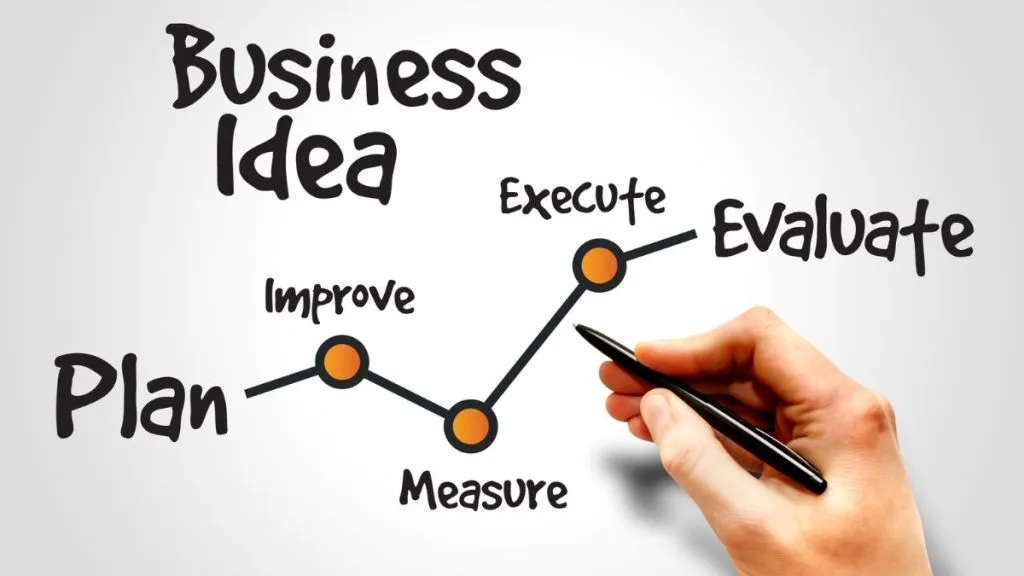
Step 10: Test and Refine Your Business Model
No business model is perfect from the start. Testing your assumptions with real customers is important.
Steps to Test:
- Launch a minimum viable product (MVP) to see if customers respond
- Collect feedback through surveys, reviews, or interviews
- Adjust your product, pricing, or marketing based on feedback
Refining your business model helps you improve efficiency, reduce risks, and increase customer satisfaction.
Popular Tools to Design a Business Model
Several tools make designing a business model easier:
- Business Model Canvas: A visual tool that covers key elements like customer segments, value proposition, revenue streams, and partnerships
- SWOT Analysis: Helps identify strengths, weaknesses, opportunities, and threats
- Lean Startup Methodology: Focuses on testing ideas quickly and learning from customer feedback
These tools provide structure and clarity, making it easier to plan and communicate your business idea.
Real-Life Examples
Here are a few examples of well-designed business models:
- Netflix – Subscription-based streaming service with original content
- Uber – Platform connecting drivers with passengers, earning a commission per ride
- Amazon – E-commerce marketplace with multiple revenue streams including product sales, subscriptions, and cloud services
- Airbnb – Platform connecting hosts with travelers, generating revenue through service fees
These examples show how different business models can work in various industries.
Common Mistakes to Avoid
When designing a business model, avoid these mistakes:
- Ignoring customer needs: Focus on solving real problems
- Underestimating costs: Plan for all expenses, including hidden costs
- Overcomplicating the model: Keep it simple and easy to understand
- Neglecting testing: Validate assumptions before scaling
- Focusing only on revenue: Consider customer satisfaction and long-term growth
Avoiding these mistakes increases your chances of building a successful business.
Adapting to Change
Business environments change rapidly due to technology, competition, and market trends. A strong business model is flexible and adaptable:
- Update value propositions to meet evolving customer needs
- Adjust revenue streams based on market trends
- Explore new channels for marketing and distribution
- Embrace technology to improve efficiency and reach
Adaptability ensures your business can survive and thrive in changing conditions.
Conclusion
Designing a business model is a critical step for any entrepreneur or business leader. It explains how your business creates, delivers, and captures value.
A strong business model includes:
- Understanding your customer and their needs
- Defining a clear value proposition
- Planning revenue streams, resources, and activities
- Building partnerships and managing costs
- Choosing channels and maintaining strong customer relationships
- Testing, refining, and adapting the model over time
By following these steps, you can build a business model that is practical, flexible, and profitable. Whether you are starting a new venture or improving an existing business, a well-designed business model sets the foundation for success.
Read Also: Keep your face towards the sunshine and shadows will fall behind you
Watch Also: https://www.youtube.com/@TravelsofTheWorld24














Leave a Reply