
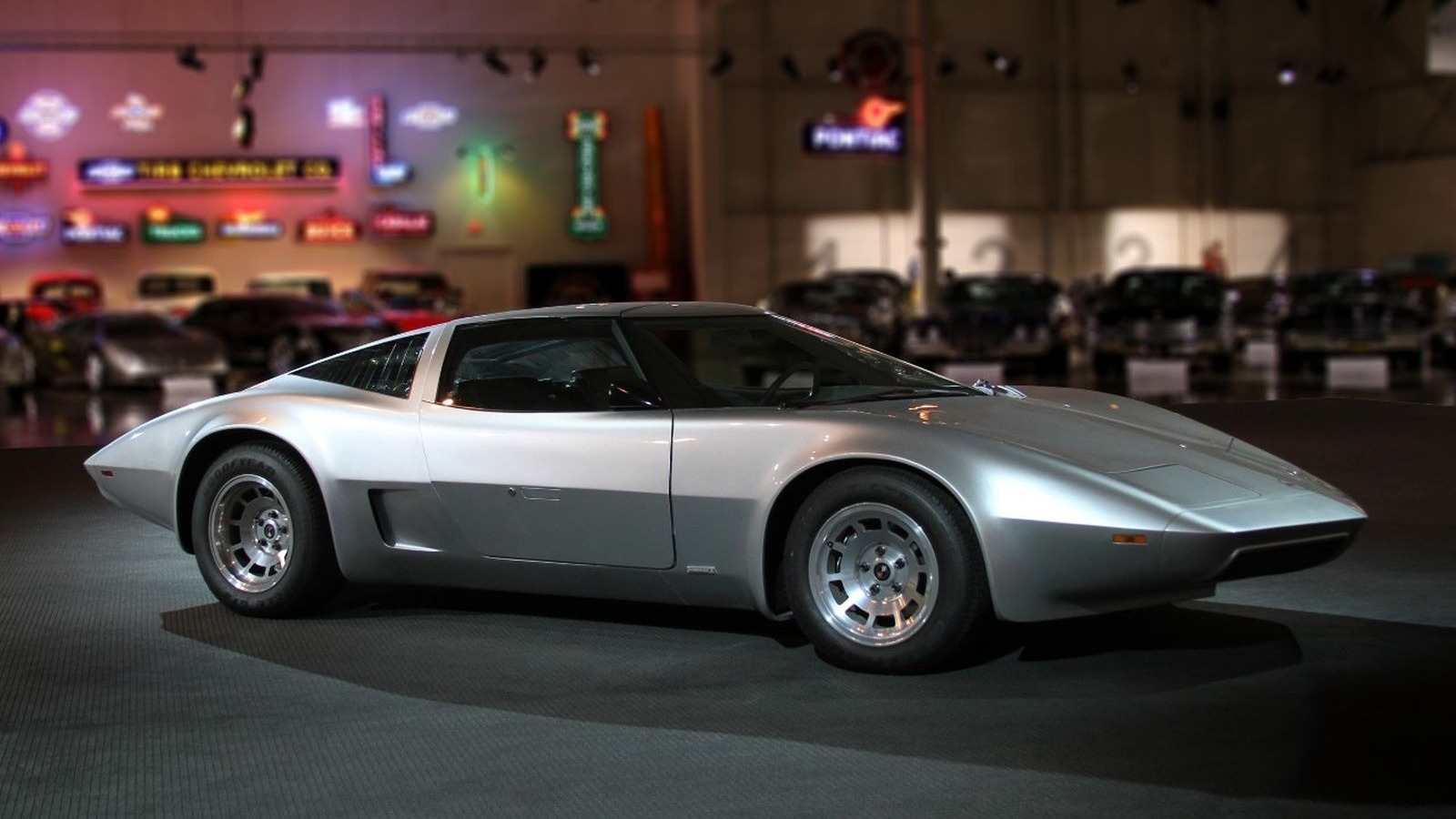
The 1973 Aerovette XP-882 is one of the most interesting concept cars ever connected to the Corvette name. When people think of Corvette, they usually imagine a front-engine sports car. But the Aerovette was very different. It was designed with a mid-engine layout, which means the engine sits behind the driver instead of in the front.
This idea was bold, exciting, and far ahead of its time. Even today, mid-engine sports cars are considered high-performance machines. Back in the early 1970s, this was a big experiment.
In this guide, I’ll explain everything about the Aerovette XP-882 in very simple words — its history, design, engine, and why it matters even today.
1. What Is the Aerovette XP-882?
The Aerovette XP-882 is a concept sports car created by Chevrolet in 1973. It was an early attempt to build a mid-engine Corvette.
At that time, most Corvettes had the engine in the front. But Chevrolet engineers wanted to try something new to improve performance and handling.
The Aerovette was not built for sale. It was made to test ideas and see how people would react to a completely different kind of Corvette.
2. Why Was It Created?
In the late 1960s and early 1970s, European sports cars like Ferrari and Lamborghini were becoming very popular. Many of these cars used mid-engine layouts, which helped with better balance and control.
Chevrolet wanted to compete with these cars. So they started working on a new idea — a mid-engine Corvette.
The goal was simple:
- Better performance
- Improved handling
- A more modern design
- Competing with top European sports cars
The Aerovette XP-882 was one of the first big steps in that direction.
3. Exterior Design — Low and Futuristic
The Aerovette looks very different from classic Corvettes.
a. Low Shape
The car sits very low to the ground. This helps with aerodynamics and gives it a sporty look.
b. Wedge Design
The front of the car is shaped like a wedge — flat and sharp. This was a popular design style in the 1970s.
c. Smooth Body Lines
The body is smooth and clean, without too many extra details. This makes it look modern even today.
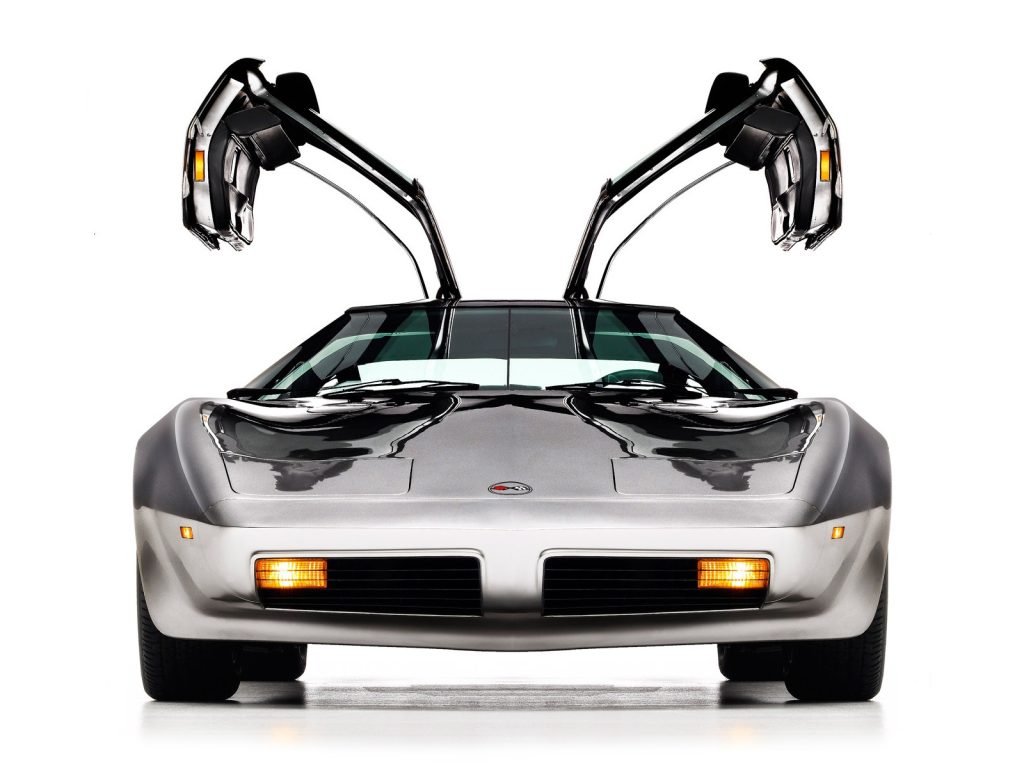
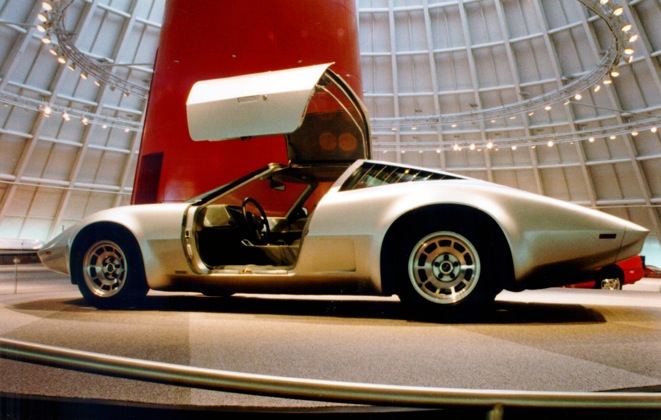
d. Gullwing Doors (Later Version)
Some versions of the Aerovette had gullwing doors, which open upward like wings. This made the car look even more futuristic.
4. Mid-Engine Layout — The Big Idea
The most important feature of the Aerovette is its mid-engine layout.
Instead of placing the engine in the front, it is placed behind the driver and passenger.
Why is this important?
- Better balance
- Improved handling
- More control at high speeds
Today, many supercars use this layout, but back then, it was very new for American cars.
Inside the 1973 Aerovette XP-882: Design, Power, and Innovation
5. Engine and Power
The Aerovette had different engine ideas during its development.
a. Rotary Engine (Early Idea)
At first, Chevrolet planned to use a rotary engine. This type of engine is smaller and smoother than traditional engines.
However, this idea did not work out well, so they changed it.
b. V8 Engine (Later Version)
Later versions used a V8 engine, which is more traditional and powerful.
This made the car more practical and easier to develop.
6. Performance Goals
The Aerovette was designed to be fast and stable.
Even though exact numbers were not always confirmed, the goal was:
- High speed
- Smooth handling
- Strong acceleration
The mid-engine setup helped achieve these goals.
7. Interior — Simple and Driver-Focused
Inside the Aerovette, the focus was on the driver.
a. Clean Layout
The dashboard is simple and easy to understand.
b. Sporty Feel
The seating position is low, giving a race-car-like feeling.
c. Limited Extras
Since it was a concept car, comfort features were not the main focus.
8. Development Challenges
The Aerovette project faced several problems.
a. Cost
Building a mid-engine car was expensive.
b. Complexity
The design and engineering were more complex than a front-engine car.
c. Market Risk
Chevrolet was not sure if customers would accept such a big change.
Because of these issues, the project was delayed and eventually canceled.
9. Why It Was Not Produced
Even though the Aerovette was exciting, it never reached production.
Main reasons:
- High cost
- Technical challenges
- Uncertain demand
- Changing priorities in the car market
At that time, fuel economy and practicality were becoming more important.
Inside the 1973 Aerovette XP-882: Design, Power, and Innovation
10. Influence on Future Corvette
Even though the Aerovette was not produced, it had a big impact.
For many years, people talked about a mid-engine Corvette.
Finally, decades later, Chevrolet introduced a real mid-engine Corvette with the C8 Corvette.
This shows that the idea behind the Aerovette was not wrong — it was just ahead of its time.
11. Public Reaction
When people first saw the Aerovette, they were impressed.
Some reactions included:
- “This looks like a supercar!”
- “Very different from a normal Corvette”
- “Futuristic and bold”
Some people loved it, while others were unsure about the change.
12. Aerovette Today
Today, the Aerovette XP-882 is considered a classic concept car.
It is remembered for:
- Its bold design
- Its mid-engine idea
- Its role in Corvette history
Car fans still talk about it and appreciate its importance.
13. Final Thoughts
The 1973 Aerovette XP-882 is a perfect example of a car that was ahead of its time.
It introduced:
- A mid-engine layout
- A futuristic design
- New performance ideas
Even though it never became a production car, it helped shape the future of Corvette.
It shows that sometimes, even if an idea does not succeed right away, it can still inspire something great in the future.
Read Also: Keep your face towards the sunshine and shadows will fall behind you
Watch Also: https://www.youtube.com/@TravelsofTheWorld24






Leave a Reply