
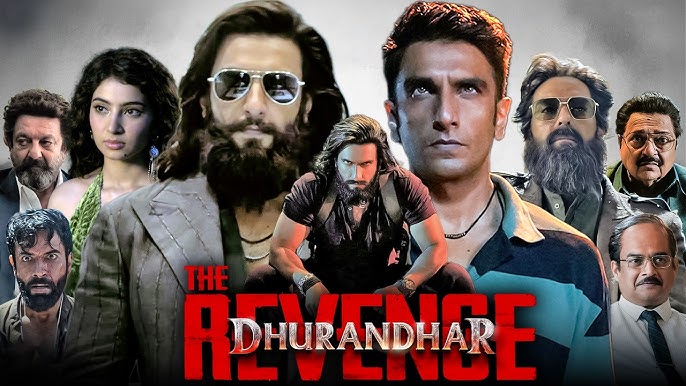
In the world of films, there are stories that happen behind the camera that are just as interesting as what we see on screen. Recently, actor Salim Siddiqui, also known as Atif Ahmed, shared some fascinating and even funny moments from his experience working on the movie Dhurandhar The Revenge. One of the most talked‑about highlights was his story about the legendary casting director Mukesh Chhabra and how detailed and serious he is about his work.
Adding more spice to the tale, Salim also revealed that on the very first day of shooting, Ranveer Singh looked so convincing in his character that Salim couldn’t recognize him at all! Instead, Ranveer appeared more like a real person named Jaskirat Singh Rangi. This surprised and excited many fans.
In this article, we will break down what Salim said, who these people are, what “PEAK detailing” really means, and why this story is making waves in Bollywood circles.
Who Is Salim Siddiqui (Atif Ahmed)?
Salim Siddiqui is an actor who has been steadily building a name for himself in the Indian entertainment industry. He works both in films and web series and has played a variety of interesting roles.
For Dhurandhar The Revenge, Salim chose to be credited as Atif Ahmed, which is his screen name. In interviews and interactions, he often shares insights into his craft and experiences working with top industry professionals.
Salim has a fresh energy on screen and carries a natural acting style. People have started noticing him more, especially after his recent work got attention for strong performances and memorable scenes.
Who Is Mukesh Chhabra?
If you follow Bollywood, you might have heard the name Mukesh Chhabra a lot. He is one of the most respected casting directors in the Indian film industry. Over the years, Mukesh has helped many actors get roles that changed their careers. He has an eye for talent and a deep understanding of what suits a character.
When Salim talks about Mukesh’s work, he isn’t just praising him for picking actors — he’s talking about the way Mukesh believes in something called PEAK detailing.
So what does that mean?
What Is “PEAK Detailing”?
When actors, directors, or casting directors talk about “detailing,” they mean paying attention to the smallest things that make a character feel real. It’s about:
- how a character walks
- how they talk
- how they stand
- how they react in emotions
- how they handle small objects
- how they express themselves with gestures
“PEAK detailing” takes all of this to an even higher level. It means focusing on every tiny detail so that an audience doesn’t just see a character — they feel them as a real human being.
According to Salim, Mukesh Chhabra believes strongly in this approach. He doesn’t just see actors as people who look good on camera. He looks at how deeply they can become the character — right from how they think to how they behave.
This belief is something Salim admired because it changed the way he looked at acting and character preparation.
The Ranveer Singh Story That Shocked Everyone
One of the most interesting parts of Salim’s interview was when he talked about co‑actor Ranveer Singh.
Ranveer is one of Bollywood’s most beloved actors. He is known for his energy, bold roles, and ability to transform completely for different films. But what Salim shared was something even many fans didn’t know.
Salim said that on the first day of shooting, he literally didn’t recognize Ranveer. Ranveer was in full character — as a man named Jaskirat Singh Rangi. The look, the body language, the voice, the attitude — everything was so real that Salim thought he was a real person, not the famous actor Ranveer Singh.
This level of change surprised everyone.
Salim said that it wasn’t just makeup or costume that made Ranveer look different — it was his complete attention to detail. This goes back to the idea of “PEAK detailing.” Ranveer didn’t just look like Jaskirat — he felt like him.
Salim joked that if someone had met Ranveer on the streets in that look, they would probably have thought he was just another man going about his life.
This story quickly became viral on social media because it showed how deep an actor’s transformation can go when talent meets preparation.
What This Says About the Art of Acting
When people talk about acting, they sometimes think it is just about reciting dialogues or looking good on screen. But stories like Salim’s show that acting is much deeper than that.
To act well, one has to:
- understand the character’s life
- know their habits
- feel their emotions
- think like them
- carry their physicality naturally
Ranveer Singh’s transformation into Jaskirat Singh Rangi is a great example of how an actor can become the character so completely that even co‑actors don’t recognize them at first.
And this happens only when a person:
- commits to the role
- studies deeply
- works hard on details
- trusts the creative team
This is what Salim was trying to highlight in his praise for Mukesh Chhabra and Ranveer.
Why Salim’s Words Matter
When someone like Salim Siddiqui says something about his experience, it matters because:
- he is speaking from the heart
- he isn’t talking to promote himself
- he is sharing honest admiration for a colleague
- he understands the craft of acting
Many actors often praise their co‑stars in general ways. But Salim went deeper — he talked about how and why Ranveer’s performance felt real. He also spoke about how Mukesh Chhabra prepared actors to think deeply about their characters.
This shows respect, maturity, and insight — qualities that many fans appreciated.
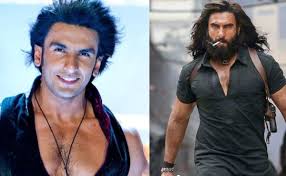
Salim Siddiqui Reveals Ranveer Singh’s Incredible Transformation for Dhurandhar The Revenge
Fans React to the Ranveer Transformation Story
Once Salim’s interview reached social media, fans responded with excitement.
Many people wrote things like:
- “Ranveer Singh is a chameleon actor!”
- “This is what true transformation looks like.”
- “No wonder he’s one of the best.”
- “Salim’s honest words are refreshing.”
- “Can’t wait to see the film!”
Some fans even shared clips from past Ranveer movies to prove how the actor changes for each role.
The reaction showed that people love not just stars but real talent — when someone becomes the character so fully that the audience forgets they are watching a famous actor.
What This Means for Dhurandhar The Revenge
Dhurandhar The Revenge has been creating curiosity even before its release. With strong actors, deep characters, and a storyline that promises drama and intensity, the film is expected to make an impact.
Salim’s comments added more excitement because they showed how much effort and dedication went into preparing for the roles.
Fans now know:
- the actors didn’t take their parts lightly
- serious character study was involved
- the team valued authenticity
- attention to detail was a priority
This builds expectations that the movie will feel real, intense, and emotionally engaging.
Mukesh Chhabra’s Role in Creating Real Characters
Mukesh Chhabra is not just a casting director — he is someone who works to make sure every actor fits the character perfectly. He believes that casting is not just about choosing someone who looks right, but someone who can become the character inside out.
Salim said Mukesh often asks questions like:
- “How would this character think in real life?”
- “What does this character’s voice sound like when they are happy or sad?”
- “How does this character react to stress or love?”
By answering these questions, actors get a clear picture of their character as a human being, not just a role on paper.
This is why Mukesh’s name has become associated with deep “detailing,” as described by Salim.
Why Actors Appreciate This Approach
Actors do better work when they understand the character deeply. It gives them confidence and makes their performance believable.
This approach helps actors:
- connect emotionally to the character
- stay consistent in behavior during shooting
- react naturally in different situations
- portray subtle emotions without overacting
Salim said that this kind of preparation made shooting easier and more fun, because actors weren’t just reading scenes — they were living them.
The Lesson From This Story
From this entire conversation, we learn a few valuable things:
1. Acting is not just surface level
It’s not about looking good — it’s about becoming someone else completely.
2. Details matter
Small things like the way a person smiles or shifts weight while standing can change how real a character feels.
3. Preparation makes a difference
Actors who prepare well feel more confident and deliver stronger performances.
4. Great films start before shooting
Most important work happens long before cameras start rolling — in character study, discussions, and planning.

Salim Siddiqui Reveals Ranveer Singh’s Incredible Transformation for Dhurandhar The Revenge
What Fans Can Look Forward To
Because of stories like this, fans are now more excited than ever for Dhurandhar The Revenge. They expect:
- intense performances
- strong character arcs
- believable portrayals
- emotional depth
- powerful storytelling
And after hearing how Ranveer became Jaskirat Singh Rangi in real life, people are even more curious to watch him on screen as this character.
Final Thoughts
When an actor like Salim Siddiqui shares a genuine experience about working with talented professionals, it reminds everyone that filmmaking is a collaborative art. It’s not just about fame — it’s about dedication, hard work, and a shared vision.
Salim’s story about Mukesh Chhabra’s belief in “PEAK detailing” and his funny, honest reaction to Ranveer Singh’s transformation shows us how much work goes into creating believable characters.
It also shows that when actors take their craft seriously, it not only makes the film better — it makes the audience feel more connected, more involved, and more excited to watch.
So whether you are an actor, a fan, or simply someone who loves movies, this story is a reminder that the magic of films begins long before the camera rolls.
Read Also: Keep your face towards the sunshine and shadows will fall behind you
Watch Also: https://www.youtube.com/@TravelsofTheWorld24











Leave a Reply