
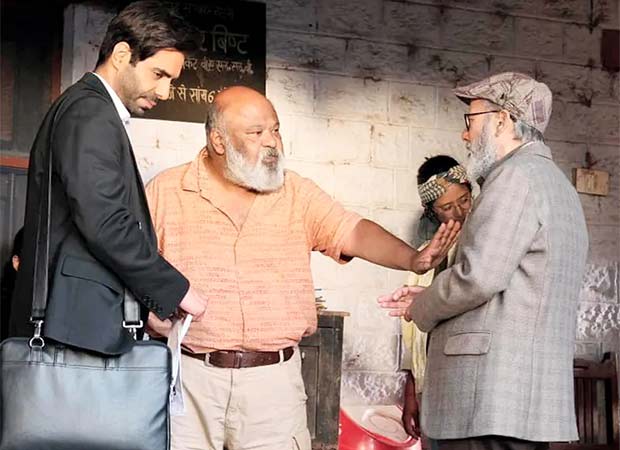
In the world of movies, every film has a story that goes beyond just what appears on screen. There are stories about how the film was made, how the actors connected, and what they learned. Recently, actor Aparshakti Khurana shared a very honest and thoughtful reflection about his experience working on the film Jab Khuli Kitaab and about the director, Saurabh Shukla — a veteran actor and filmmaker. Aparshakti said something powerful: “When a senior actor writes and directs a film, there is an automatic credibility.”
This statement struck a chord with many fans, and for good reason. It tells us not just about respect for experience, but also about how the trust between an actor and a director can shape the creative process. In this article, we’ll explore what Aparshakti said, why it matters, who Saurabh Shukla is, what Jab Khuli Kitaab is about, and how this entire experience reflects something meaningful about storytelling and filmmaking.
Who Is Aparshakti Khurana?
Before we dive into what he said, let’s briefly talk about Aparshakti Khurana.
Aparshakti is a well‑known actor and television personality in India. He has worked in many Hindi films and has received appreciation for his versatility, charm, and natural performance style. Unlike some actors who try to be dramatic in every role, Aparshakti is known for his grounded approach — he brings honesty and relatability to his characters. Whether it’s a comic role or an emotional part, he has the ability to adapt and make the audience connect with his character.
He is also known as the younger brother of singer‑actor Ayushmann Khurrana, but Aparshakti has carved his own identity in the industry through his hard work and sincerity.
Who Is Saurabh Shukla?
Saurabh Shukla is a respected name in Indian cinema. Over the years, he has acted in many memorable roles and has shown his talent in both dramatic and comic parts. You might recognize him from films where he brought powerful characters to life with depth and subtlety. Many filmmakers and actors admire him not just because of his acting but also because of his understanding of cinema.
What makes Saurabh’s journey unique is that he didn’t start as a director. He gained experience as an actor first — learning about scripts, characters, and storytelling from the inside. Then, when he wrote and directed Jab Khuli Kitaab, it was natural for people to pay attention. When someone who has lived through the world of films takes on the role of a director, there is a certain level of trust that comes automatically — and that’s what Aparshakti was talking about.
What Is Jab Khuli Kitaab About?
Jab Khuli Kitaab is a film that explores emotions, relationships, life experiences, and human connections in a simple yet impactful way. The title roughly means “When the Book Was Open,” which symbolizes moments in life when truth, understanding, or realization comes to light. The story doesn’t rely on loud drama or exaggerated sequences. Instead, it focuses on genuine feelings and realistic human interactions.
Films like this often require careful direction because the focus isn’t just on big sets, explosions, or loud music. The emphasis is on subtlety, honesty, and emotional truth. When the story is driven by characters and their feelings, the responsibility of a director becomes even more important.
What Aparshakti Said About Saurabh Shukla
During an interview, Aparshakti Khurana spoke about working with Saurabh Shukla and how he approached directing Jab Khuli Kitaab. Aparshakti said something simple but deep: “When a senior actor writes and directs a film, there is an automatic credibility.”
But what does this really mean?
Let’s break it down in easy terms:
1. Experience Brings Trust
When an actor has been part of the industry for many years, they have seen how films are made from the inside. They know about scripts, performances, rehearsals, editing, and how scenes come together. When such a person takes on the role of a director, actors naturally feel more confident. They know that the director understands the craft and doesn’t approach the film superficially.
This is the “automatic credibility” Aparshakti spoke about. It’s not blind trust — it’s respect earned through years of experience.
2. A Director Who Understands Actors
A senior actor‑turned‑director has the advantage of understanding what actors need. They know how to communicate emotions, how to explain a scene better, and how to help an actor give his best performance. They have probably faced creative blocks themselves, and they understand how to guide others through similar moments.
This kind of empathy makes the process smooth and collaborative.
3. Respect on Set Leads to Better Work
In films, actors and directors often work long hours. When there is respect and trust on set, it helps everyone perform better. Actors feel safe to try new things, express ideas, and take creative risks without fear of judgment. This leads to more honest and powerful performances.
Aparshakti appreciated this quality in Saurabh Shukla.
How Jab Khuli Kitaab Was Different for Actors
For actors, working under a director who also understands acting deeply makes a big difference. When Saurabh Shukla directed the film, he didn’t just think about shots and dialogues — he thought about the emotional journey of each character.
Aparshakti shared that the process was thoughtful. Instead of rushing through scenes, Saurabh took time to understand how each character should feel, react, and grow throughout the film. This careful focus helped the entire cast feel more connected to the story.
In many films, actors just follow directions and hope that everything comes together in editing. But when a director takes time to explain the WHY behind every scene, the actors feel more confident and invested in their roles.
This is one of the reasons why actors praised the work environment on this film.
What Fans Are Saying
When fans heard what Aparshakti said, many responded with appreciation. Here are some common reactions:
- Many fans felt that experience truly matters in filmmaking.
- Some said they want more actors to try directing because they understand emotion deeply.
- Others praised Saurabh Shukla for his calm and respectful approach.
- Some even shared their excitement to watch the film after hearing how it was made.
It showed that audiences care not just about the final result but also about how a film is created — with respect, trust, and emotional honesty.
Why “Automatic Credibility” Matters
The phrase “automatic credibility” may sound simple, but it carries deep meaning.
When someone credible leads a project:
- team members feel more confident
- creative choices feel grounded
- actors feel comfortable to express themselves
- the audience feels assured that the story will be real
This doesn’t mean that every senior actor will become a great director. But when someone with experience approaches direction thoughtfully, it builds a sense of trust around the project.
This trust matters because filmmaking is not just about technical skill — it’s about emotional truth and believable storytelling.

Aparshakti Khurana on Saurabh Shukla: Senior Actor-Directors Bring Automatic Credibility
How This Reflects on Bollywood
In recent years, Bollywood has seen many actors step into different roles — as directors, producers, writers, and creators. This reflects a shift in the industry where artists are not limited to one identity. They want to explore storytelling from different angles.
When actors become directors:
- they bring a deep understanding of character
- they know how to communicate emotions
- they focus on performances
- they respect the process of filmmaking
This trend is exciting because it opens up new possibilities for cinema — storytelling that is driven by emotion, honesty, and lived experience.
Aparshakti’s comments added to this positive conversation about how cinema is evolving.
What This Teaches Us About Creativity
When people from one field step into another, the key is respect for the craft. Saurabh Shukla didn’t just want to be called a director — he wanted to do justice to the story and the performances.
This attitude teaches us something simple:
Creativity thrives when experience meets humility.
Saurabh’s journey from actor to director didn’t happen overnight. It was built through years of watching, learning, and practicing the art of performance. When he took on the role of director, he carried all that wisdom with him.
And this made a difference in how Jab Khuli Kitaab was shaped.
What Actors Learn From Such Experiences
For actors like Aparshakti, working with a director who understands acting deeply is a learning experience in itself. It teaches them:
- how to focus on character motivation
- how to express emotions subtly
- how to approach difficult scenes without fear
- how to trust the director’s vision
- how collaboration makes a film more authentic
This kind of environment helps actors grow not just in that project, but in their entire careers.
Why This Film Is Meaningful
Jab Khuli Kitaab may look like a simple film on the surface — but the way it was made adds depth to it.
This film reflects:
- the value of experience
- the importance of emotional truth
- the power of collaboration
- the trust between a director and his cast
These qualities are often what make a film memorable.
When audiences watch a story and feel connected to it emotionally, it’s usually because the actors and the director trusted each other and worked sincerely.
Final Thoughts
Aparshakti Khurana’s words about Saurabh Shukla are not just praise — they reflect a deeper truth about filmmaking. When someone with experience, understanding, and respect for the craft leads a team, it creates an environment where honest storytelling can thrive.
His comment — “When a senior actor writes and directs a film, there is automatic credibility” — may be short, but it holds a meaningful idea: credibility comes from experience, trust, and a deep understanding of human emotion.
Filmmaking is a collaborative art. It’s not just about cameras and scripts — it’s about trust, honesty, and connection. When all those elements come together, the result is something that stays with the audience long after the movie ends.
Through this film, through his words, and through this experience, Aparshakti reminded us why cinema matters — not just as entertainment, but as a medium that connects us to real feelings, real people, and real stories.
Read Also: Keep your face towards the sunshine and shadows will fall behind you
Watch Also: https://www.youtube.com/@TravelsofTheWorld24














Leave a Reply