
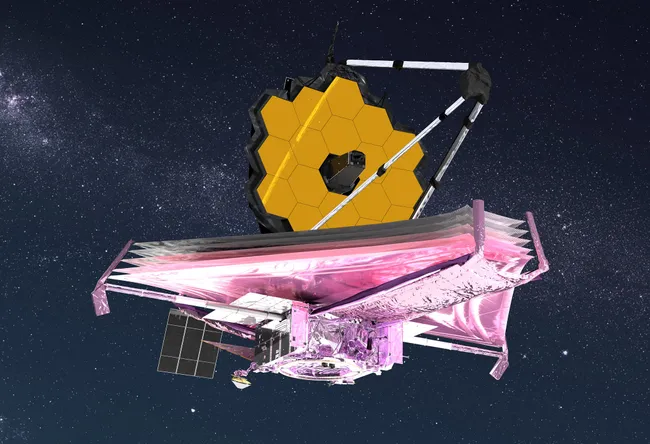
The James Webb Space Telescope (JWST) is NASA’s newest and most advanced space telescope, designed to help us see the universe like never before. Launched in December 2021, it has been called the successor to the Hubble Space Telescope, but with far more power and advanced technology.
The mission of JWST is to study the universe in infrared light, which allows scientists to see objects that are too faint, far, or hidden behind cosmic dust for other telescopes.
Why James Webb Is Important
JWST is changing the way we understand space because it can:
- See the first galaxies that formed after the Big Bang
- Study exoplanets and their atmospheres
- Examine stars and nebulae forming in distant galaxies
- Observe distant black holes and galaxies in unprecedented detail
By looking deeper into space, JWST allows us to learn more about the origins of the universe and the potential for life beyond Earth.
How JWST Works
Unlike visible-light telescopes like Hubble, JWST observes primarily in infrared light. This helps scientists see through cosmic dust and gas clouds to study hidden structures in space.
Key Components:
- Primary Mirror – 6.5 meters wide, made of 18 hexagonal segments
- Sunshield – Protects the telescope from heat and sunlight, keeping instruments extremely cold
- Instruments – Cameras and spectrographs for imaging, spectroscopy, and observing in infrared
- Orbit – Positioned at the second Lagrange point (L2), about 1.5 million kilometers from Earth
Infrared capability combined with advanced instruments gives JWST unprecedented power to observe the universe.
NASA’s James Webb Space Telescope Mission
The Launch and Deployment
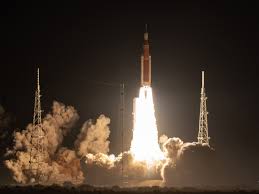
JWST was launched on an Ariane 5 rocket from French Guiana. The launch and deployment were complex because the telescope:
- Folded to fit inside the rocket
- Unfolded its mirrors and sunshield in space
- Required precise alignment of all mirrors for proper focus
The successful deployment was a major milestone for NASA and its partners, ensuring the telescope can function perfectly in space.
Studying the Early Universe
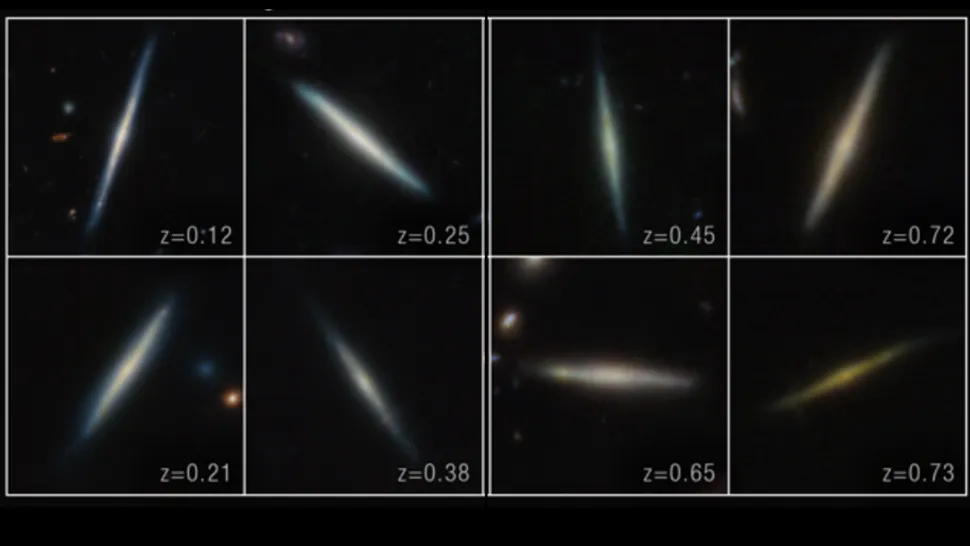
One of JWST’s main goals is to look at the earliest galaxies, formed just a few hundred million years after the Big Bang. By observing in infrared, JWST can:
- See galaxies billions of light-years away
- Study how stars and galaxies formed
- Understand the evolution of the universe over time
This helps scientists answer big questions about the origins of stars, galaxies, and cosmic structures.
Observing Exoplanets
JWST is also revolutionizing the study of planets outside our solar system. Scientists can now:
- Detect atmospheric gases like water, methane, and carbon dioxide
- Study planetary temperatures and composition
- Search for signs of habitability or potential life
JWST can capture data that was previously impossible, helping astronomers better understand worlds beyond our solar system.
Looking at Star Formation
JWST’s infrared vision allows it to peer into star-forming regions hidden by gas and dust. This helps scientists study:
- How stars form from dense clouds of gas
- The birth of planetary systems around young stars
- Interactions between stars and their environment
These observations help explain the life cycles of stars and planets in our galaxy.
Discovering New Galaxies
Thanks to its powerful instruments, JWST is finding galaxies we’ve never seen before. These discoveries include:
- Distant galaxies from the early universe
- Tiny galaxies merging to form larger ones
- Galaxies with unusual shapes or compositions
Studying these galaxies gives insight into how the universe grew and evolved over billions of years.
Observing Black Holes
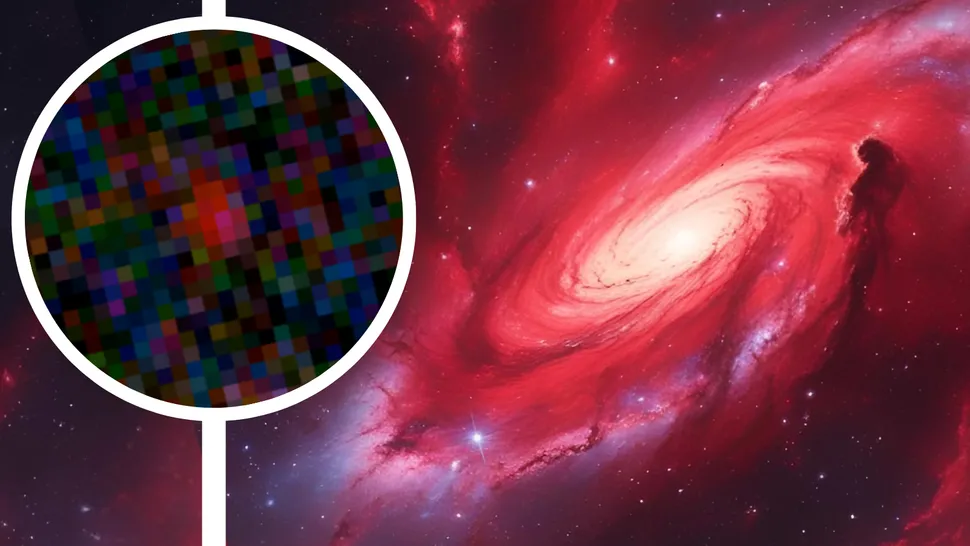
JWST also studies supermassive black holes at the centers of galaxies. Its infrared observations can reveal:
- Dust-obscured black holes
- The growth and evolution of black holes over time
- How black holes interact with surrounding stars and gas
This helps scientists understand one of the most mysterious objects in the universe.
NASA’s James Webb Space Telescope Mission
Studying Our Solar System
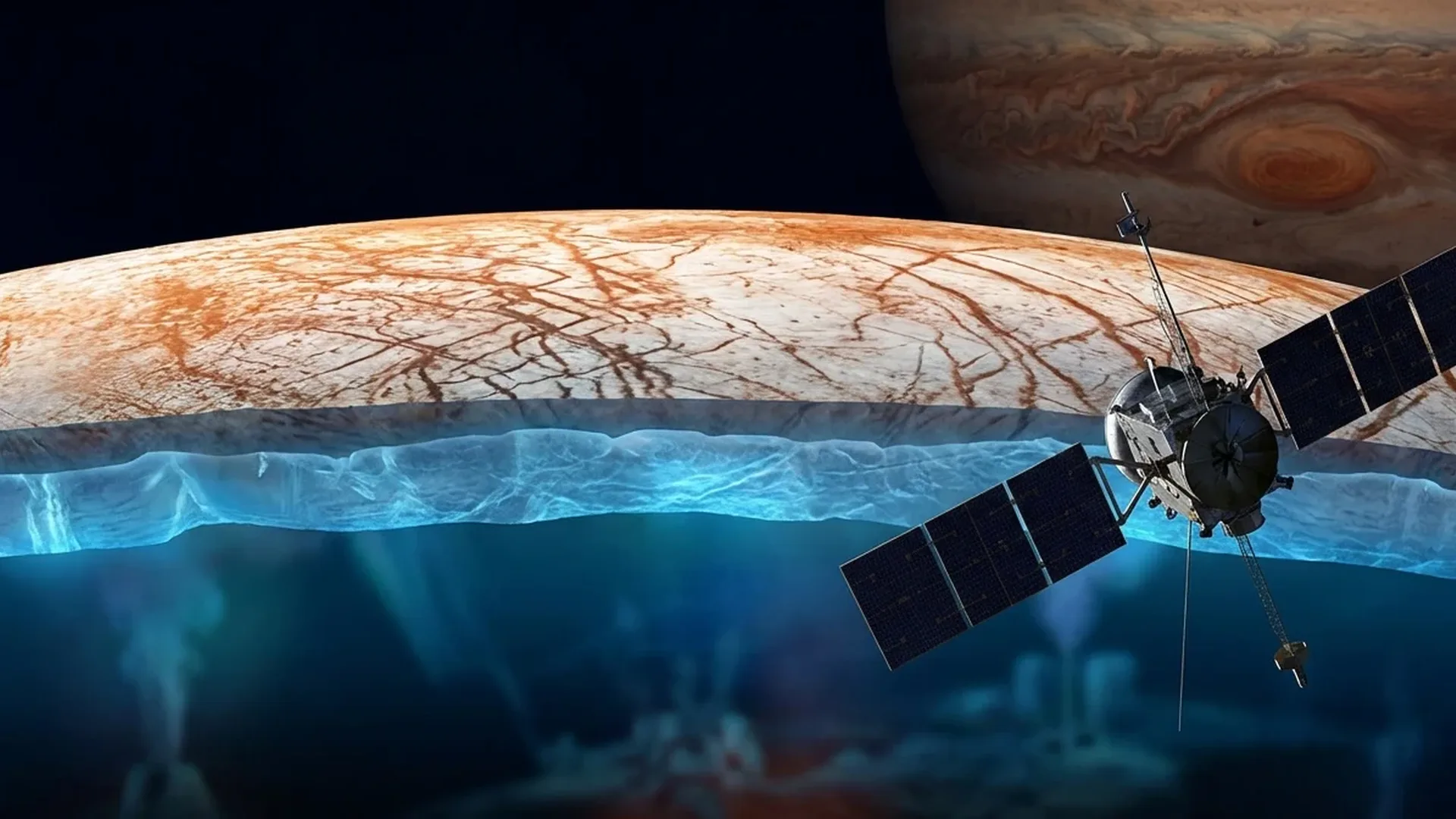
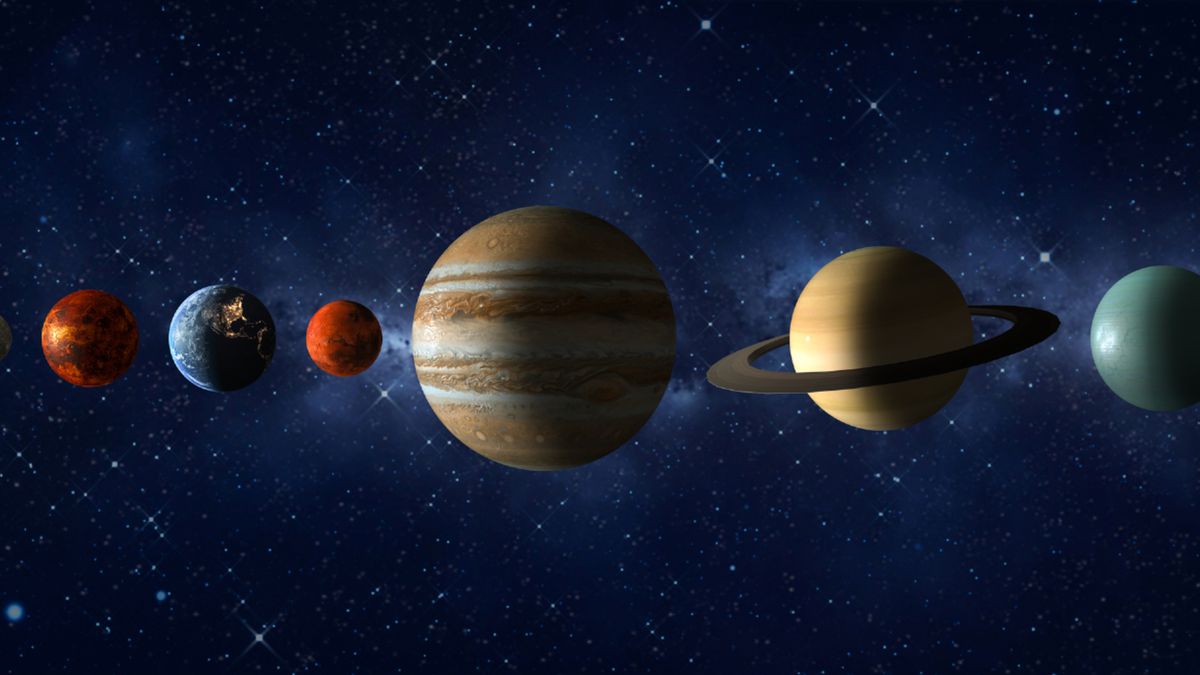
JWST isn’t just for distant space—it can also observe objects in our own solar system:
- Planets, moons, and asteroids
- Comets and their gas tails
- Distant dwarf planets and Kuiper Belt objects
These observations provide new insights into the formation and evolution of our solar system.
Collaboration and Partnerships
JWST is a global project, with collaboration between:
- NASA – Leading the mission
- European Space Agency (ESA) – Provided the Ariane 5 rocket and instruments
- Canadian Space Agency (CSA) – Supplied additional instruments and support
International collaboration ensures the mission benefits from the best technology and expertise worldwide.
Challenges and Achievements
JWST faced many challenges before becoming operational:
- Complex design and deployment
- Testing and calibration for precision
- Budget and scheduling hurdles over more than 20 years
Despite these, JWST has already achieved remarkable results, showing stunning images and groundbreaking discoveries.
Early Discoveries
Since becoming operational, JWST has revealed:
- Stunning images of nebulae and galaxies
- Detailed spectra of exoplanet atmospheres
- Galaxies from the early universe previously unseen
- Insights into star and planet formation
These discoveries are helping scientists answer fundamental questions about the cosmos.
Public Engagement
NASA shares JWST’s discoveries widely:
- Stunning images available online
- Live updates and videos
- Educational programs for schools and universities
- Citizen science projects to involve the public
Engaging the public ensures continued interest in space exploration.
The Future of JWST
JWST is expected to operate for at least 10 years, continuing to explore:
- Distant galaxies and early universe
- Exoplanet atmospheres and potential habitability
- Star formation and planetary systems
- Black holes and cosmic phenomena
Its discoveries will guide future missions and help plan next-generation telescopes.
Why JWST Matters
The James Webb Space Telescope is more than just a telescope—it’s a window into the universe. Its observations help answer questions about:
- How the universe began
- How stars and galaxies evolve
- The potential for life on other planets
- The origins of our solar system
JWST is a key tool for understanding our place in the cosmos.
Conclusion
NASA’s James Webb Space Telescope is transforming astronomy. By observing the universe in infrared light, it can see galaxies, stars, and planets that were invisible before. From studying exoplanets and early galaxies to exploring our solar system, JWST is expanding human knowledge like never before.
With international collaboration, advanced technology, and ambitious goals, the James Webb Space Telescope is a mission of discovery, inspiration, and science. Its findings will shape our understanding of the universe for decades to come.
Read Also: Keep your face towards the sunshine and shadows will fall behind you
Watch Also: https://www.youtube.com/@TravelsofTheWorld24





Leave a Reply