
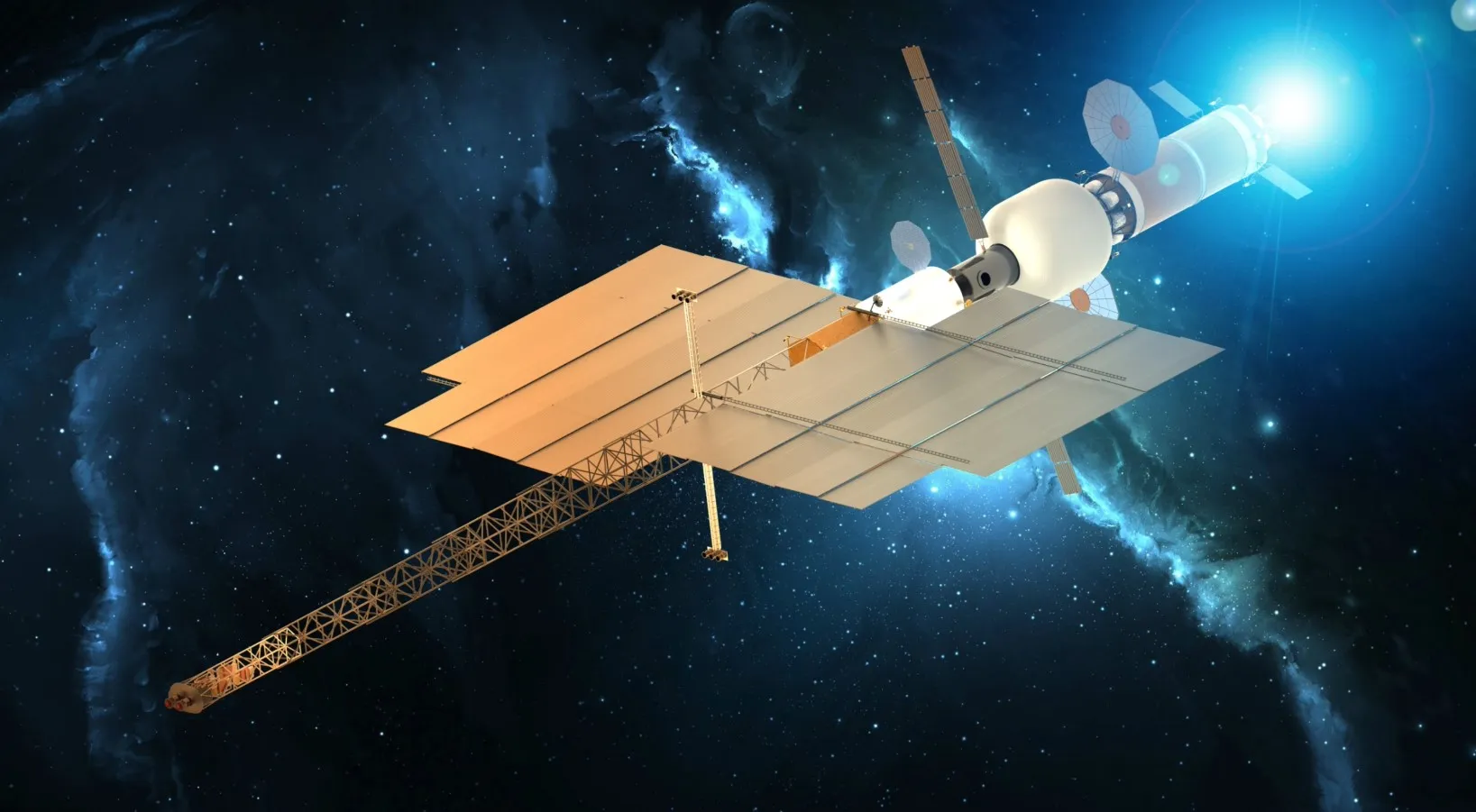
NASA is taking an important step to support America’s national strategy for space nuclear power and propulsion. This technology could change how humans explore deep space, making missions faster, safer, and more efficient. NASA’s involvement shows the United States’ commitment to staying at the forefront of space exploration and innovation.
Let’s break down the topic in an easy way to understand.
What Is Space Nuclear Power and Propulsion?
Space nuclear power and propulsion involves using nuclear energy to power spacecraft or provide propulsion.
Two Main Types:
- Nuclear Power Systems – Provide electricity for spacecraft instruments, life support, and other systems.
- Nuclear Propulsion Systems – Use nuclear energy to move spacecraft faster than traditional chemical rockets.
These systems can help humans travel to faraway places like Mars or even beyond the solar system.
Why It Matters
Traditional chemical rockets have limits. They can carry humans and cargo, but long journeys take a lot of fuel and time. Nuclear technology could:
- Reduce travel time to distant planets
- Increase spacecraft efficiency
- Provide reliable electricity for long missions
- Enable larger and more advanced missions
In short, nuclear power could make deep space exploration faster, safer, and more sustainable.
NASA’s Role
NASA is supporting the national strategy by:
- Conducting research and development
- Testing nuclear power and propulsion technologies
- Ensuring safety and reliability of these systems
- Collaborating with other government agencies and international partners
NASA’s expertise in space missions makes it a critical part of turning nuclear technology into practical applications.
Benefits for Deep Space Exploration
Using nuclear power in space opens new possibilities:
1. Faster Travel
Nuclear propulsion can help spacecraft reach Mars or asteroids more quickly, reducing risks from long-duration spaceflight.
2. Reliable Power
Nuclear reactors can provide consistent energy, even far from the Sun where solar panels are less effective.
3. Larger Payloads
With more efficient propulsion, spacecraft can carry more supplies, instruments, and experiments for longer missions.
4. Advanced Missions
Nuclear systems allow humans to explore areas of space that are currently unreachable with chemical rockets.
Safety Measures
Safety is a top priority when using nuclear technology in space. NASA follows strict guidelines:
- Nuclear materials are contained to prevent radiation exposure
- Systems are designed to withstand accidents during launch or in space
- Redundant safety systems are included to protect astronauts and the environment
- International standards are followed for responsible nuclear use in space
These precautions ensure missions are safe for humans and the planet.
NASA’s Collaboration With Other Agencies
NASA works with multiple agencies to advance space nuclear power:
- Department of Energy (DOE) – Provides expertise in nuclear systems and safety.
- National Aeronautics and Space Administration (NASA) – Tests and integrates nuclear technology into spacecraft.
- Defense and Research Agencies – Support technology development and innovation.
This collaboration ensures that all nuclear missions are technically sound and safe.
Applications Beyond Propulsion
Nuclear technology in space isn’t just for moving spacecraft. It can also:
- Power habitats on the Moon or Mars
- Support scientific experiments in remote areas
- Enable robotic missions to distant planets
- Provide emergency energy for long-term missions
By providing constant electricity, nuclear systems expand what humans can do in space.
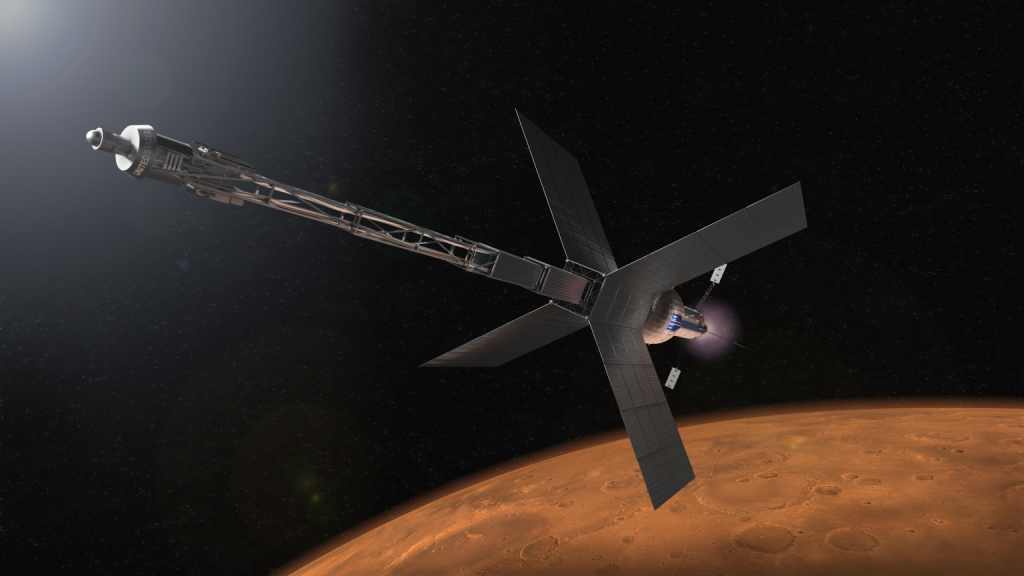
NASA Supports America’s National Strategy for Space Nuclear Power and Propulsion
History of Space Nuclear Technology
Nuclear power in space has been tested before. Some examples:
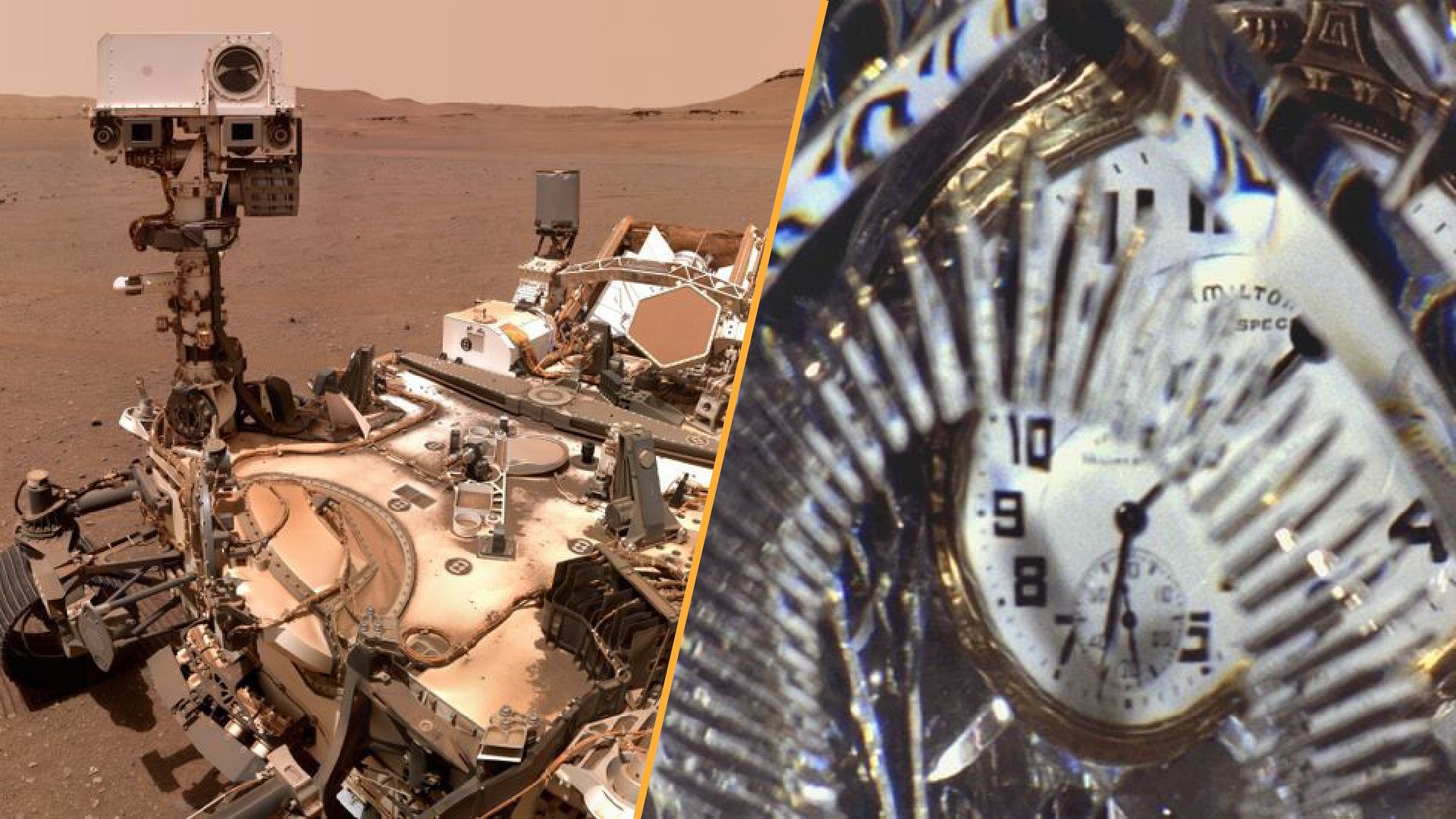
- Radioisotope Thermoelectric Generators (RTGs) – Used in Voyager, Curiosity rover, and other missions to provide electricity far from the Sun.
- Nuclear Thermal Propulsion (NTP) Concepts – Tested in the 1960s and 70s but never flown with humans.
NASA’s current efforts build on decades of experience, taking it to the next level with human-rated systems.
Challenges of Nuclear Propulsion
Even with benefits, nuclear propulsion faces challenges:
- Engineering Complexity – Designing systems that work in space and survive launch is difficult.
- Safety Concerns – Nuclear materials must be handled carefully to avoid accidents.
- Regulatory Approval – Missions must meet strict international and national regulations.
- Cost – Developing nuclear systems requires significant investment.
NASA’s research addresses these challenges with careful planning and testing.
Importance for Future Missions
Nuclear propulsion could enable:
- Faster Mars missions, reducing astronaut exposure to space hazards
- Missions to asteroids or outer planets
- Large-scale human exploration of the Moon and beyond
- Long-term sustainability of deep space habitats
Without nuclear technology, these ambitious missions may take decades longer.
Public Engagement and Education
NASA shares updates on nuclear propulsion and power technology with the public.
- Educational videos and articles explain how nuclear systems work.
- Workshops and STEM programs introduce students to space nuclear science.
- Public safety information ensures transparency and understanding.
This helps people understand why nuclear technology is safe and essential for future space exploration.
International Interest
Other countries are also exploring space nuclear technologies.
- Collaboration and shared research can advance technology faster
- International agreements help ensure safety and peaceful use of nuclear power
- NASA’s leadership sets standards for responsible use
Global cooperation ensures space nuclear power benefits everyone while maintaining safety standards.
Long-Term Vision
NASA’s support of America’s national strategy is part of a bigger vision:
- Establishing human presence on the Moon and Mars
- Using nuclear propulsion to reach new frontiers
- Creating sustainable energy solutions for space habitats
- Inspiring innovation and careers in science and technology
This vision shows that nuclear power is key to expanding human exploration.
Inspiration for Students
Learning about space nuclear power encourages young people to pursue STEM careers.
- Shows real-world applications of physics, engineering, and technology
- Demonstrates how science can solve problems in space exploration
- Inspires curiosity about the universe and our role in it
Programs like Kristen’s Classroom and NASA education outreach connect students to this exciting field.
Conclusion
NASA’s support of America’s national strategy for space nuclear power and propulsion marks a critical step toward the future of space exploration. Nuclear technology can make space missions faster, safer, and more sustainable, enabling humans to reach the Moon, Mars, and beyond.
By combining safety, innovation, international collaboration, and education, NASA ensures that nuclear propulsion will be a powerful tool for future astronauts. It’s a reminder that the next frontier of human exploration relies not just on rockets, but also on the smartest and safest technology we can develop.
As NASA continues testing and developing these systems, the world watches closely, knowing that nuclear power could change everything about how we explore space.
Read Also: Keep your face towards the sunshine and shadows will fall behind you
Watch Also: https://www.youtube.com/@TravelsofTheWorld24





Leave a Reply