
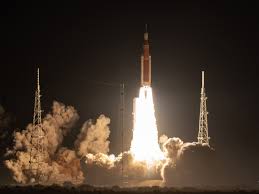
After decades of waiting, humans are getting closer to returning to the Moon. NASA is preparing a major mission planned for an August launch. This mission is part of a long-term plan to explore the Moon again and build a future for humans in space.
Let’s understand everything step by step in a very simple way.
A Big Step Back to the Moon
The last time humans walked on the Moon was during the Apollo missions in 1972. Since then, no human has gone back.
Now, NASA wants to change that.
This new mission is not just about going back—it’s about staying longer, learning more, and preparing for even bigger goals like sending humans to Mars.
What Is This August Mission?
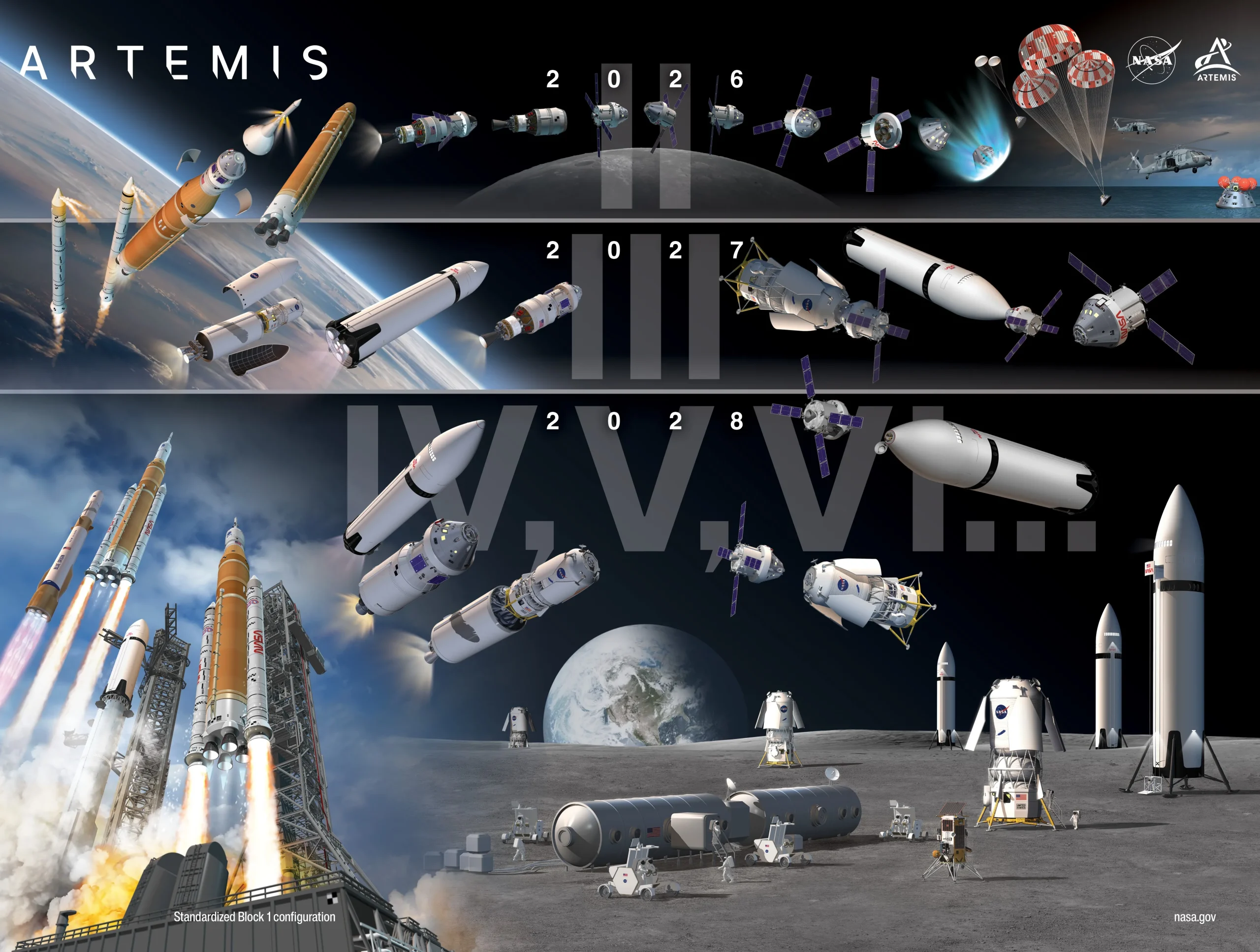
The August launch is part of NASA’s Artemis program.
This mission will focus on testing systems and preparing for future Moon landings. It may include sending astronauts around the Moon or testing equipment needed for landing.
Even if astronauts are not landing this time, the mission is very important for future success.
The Artemis Program Explained
The Artemis program is NASA’s plan to return humans to the Moon and build a long-term presence there.
Main Goals:
- Send astronauts back to the Moon
- Land the first woman and next man on the Moon
- Build a base for long-term missions
- Prepare for future Mars missions
Unlike older missions, Artemis is focused on sustainability—meaning humans will stay longer and keep going back.
The Rocket: Space Launch System (SLS)
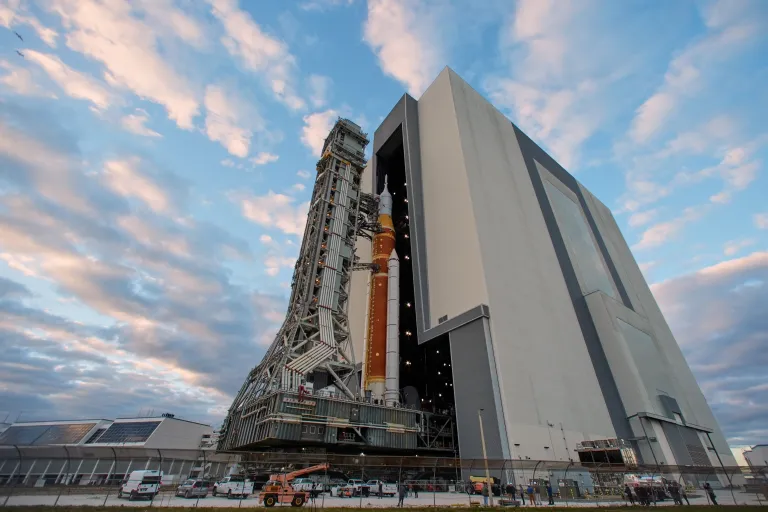
To send astronauts and equipment into space, NASA will use the Space Launch System (SLS).
This is one of the most powerful rockets ever created.
Why It Matters:
- It can carry heavy loads
- It is designed for deep space travel
- It provides strong and stable launch power
The SLS will be responsible for lifting everything off Earth and sending it toward the Moon.
The Spacecraft: Orion
The astronauts will travel inside the Orion spacecraft.
Orion is built for long-distance space travel and safety.
Key Features:
- Advanced life-support system
- Strong heat shield for safe return
- Modern navigation technology
- Comfortable space for astronauts
Orion will take the crew to the Moon and bring them safely back.
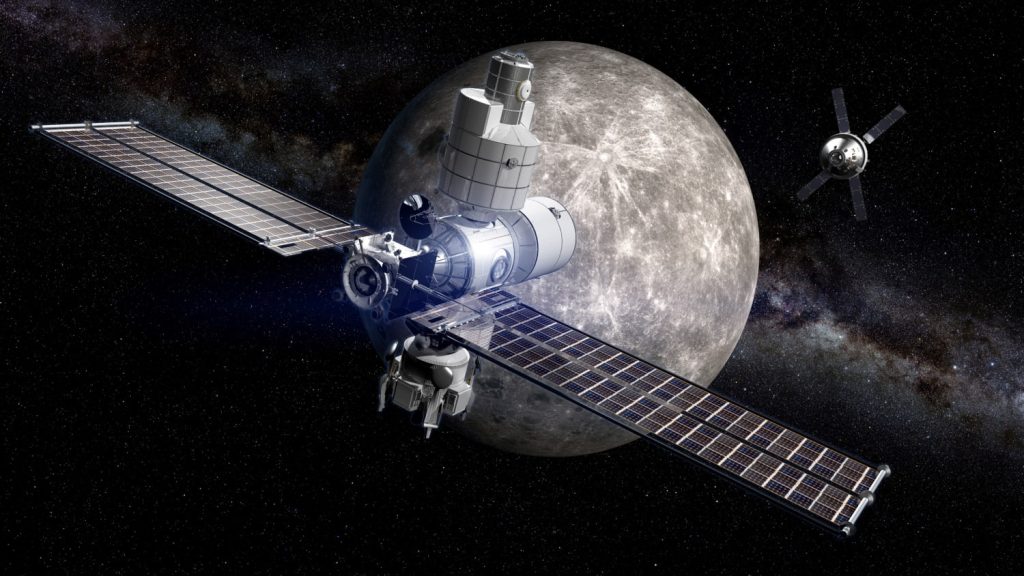
NASA Prepares Return to the Moon with New Mission Set for August Launch
Mission Timeline (Simple View)
Here’s how the mission will happen:
1. Launch in August
The rocket lifts off from Earth.
2. Travel to the Moon
The spacecraft moves through space for several days.
3. Lunar Orbit
It circles the Moon and collects data.
4. Return to Earth
The spacecraft heads back home.
5. Safe Landing
It re-enters Earth’s atmosphere and lands.
Why This Mission Is So Important
This mission is not just another space launch—it is a major moment in human history.
1. Return to Deep Space
Humans haven’t traveled this far in over 50 years.
2. Testing New Technology
NASA will test systems needed for future landings.
3. Building the Future
This mission helps prepare for long-term Moon missions.
4. Inspiring the World
It encourages people to learn and dream big.
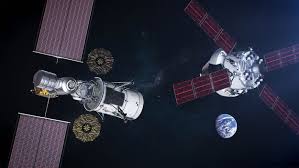
NASA Prepares Return to the Moon with New Mission Set for August Launch
What Makes This Mission Different?
Compared to the Apollo missions, this one is more advanced and future-focused.
Then (Apollo):
- Short visits
- Basic technology
- Limited exploration
Now (Artemis):
- Longer missions
- Advanced systems
- Focus on building and staying
This is not just a visit—it’s the start of a new chapter.
Challenges NASA Faces
Space missions are very complex and come with many challenges.
Main Challenges:
1. Safety
Astronaut safety is the top priority.
2. Technology Testing
Everything must work perfectly.
3. Weather Conditions
Bad weather can delay launch.
4. Timing
The launch window must be exact.
Even a small issue can delay the mission, so NASA takes its time to get everything right.
Global Interest in the Moon
NASA is not alone in its mission to explore the Moon.
Other countries and companies are also planning lunar missions.
This shows that the Moon is becoming important again for science, technology, and future space travel.
What Happens After This Mission?
This August mission is just one step in a bigger journey.
Future Plans Include:
- Landing astronauts on the Moon
- Building a lunar base
- Using Moon resources
- Preparing missions to Mars
NASA’s long-term goal is to make space travel more common and sustainable.
Benefits for Everyday Life
You might wonder how this affects people on Earth.
Space missions often lead to new technologies that improve daily life.
Examples:
- Better GPS and communication
- Medical technology improvements
- Stronger and lighter materials
- Safer transportation systems
So space exploration helps everyone, even if we never leave Earth.
Inspiration for the Next Generation
This mission is also about inspiring young people.
It shows that careers in:
- Science
- Engineering
- Technology
can lead to exciting opportunities.
Many astronauts and scientists were inspired by past Moon missions—and this one can inspire the next generation.
Public Excitement and Media Attention
People around the world are excited about this mission.
The August launch will likely be watched by millions.
It brings attention to space exploration and reminds us how far humans can go.
Final Thoughts
NASA’s plan to launch a new Moon mission in August is a huge step forward. It marks the return of human exploration beyond Earth and opens the door to even bigger missions in the future.
This mission is not just about reaching the Moon—it’s about building a future in space. It shows how far technology has come and how much more we can achieve.
As the launch date approaches, excitement continues to grow. The journey back to the Moon is not just a return—it’s the beginning of something even greater.
Read Also: Keep your face towards the sunshine and shadows will fall behind you
Watch Also: https://www.youtube.com/@TravelsofTheWorld24





Leave a Reply