
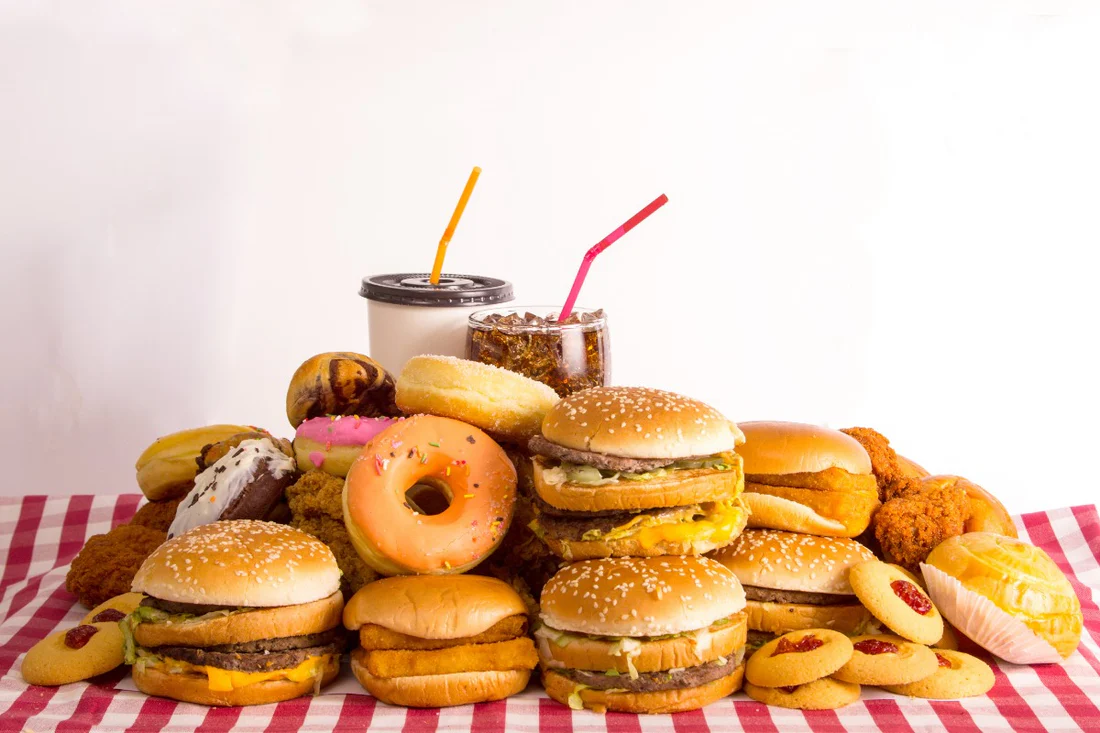
Fast food is everywhere—restaurants, drive-thrus, convenience stores, and even online delivery apps. It’s convenient, often affordable, and designed to taste really good. However, regular consumption of fast food can have serious consequences for your health. Understanding the risks and learning how to make better choices can help you enjoy fast food occasionally without harming your body.
What Is Fast Food?
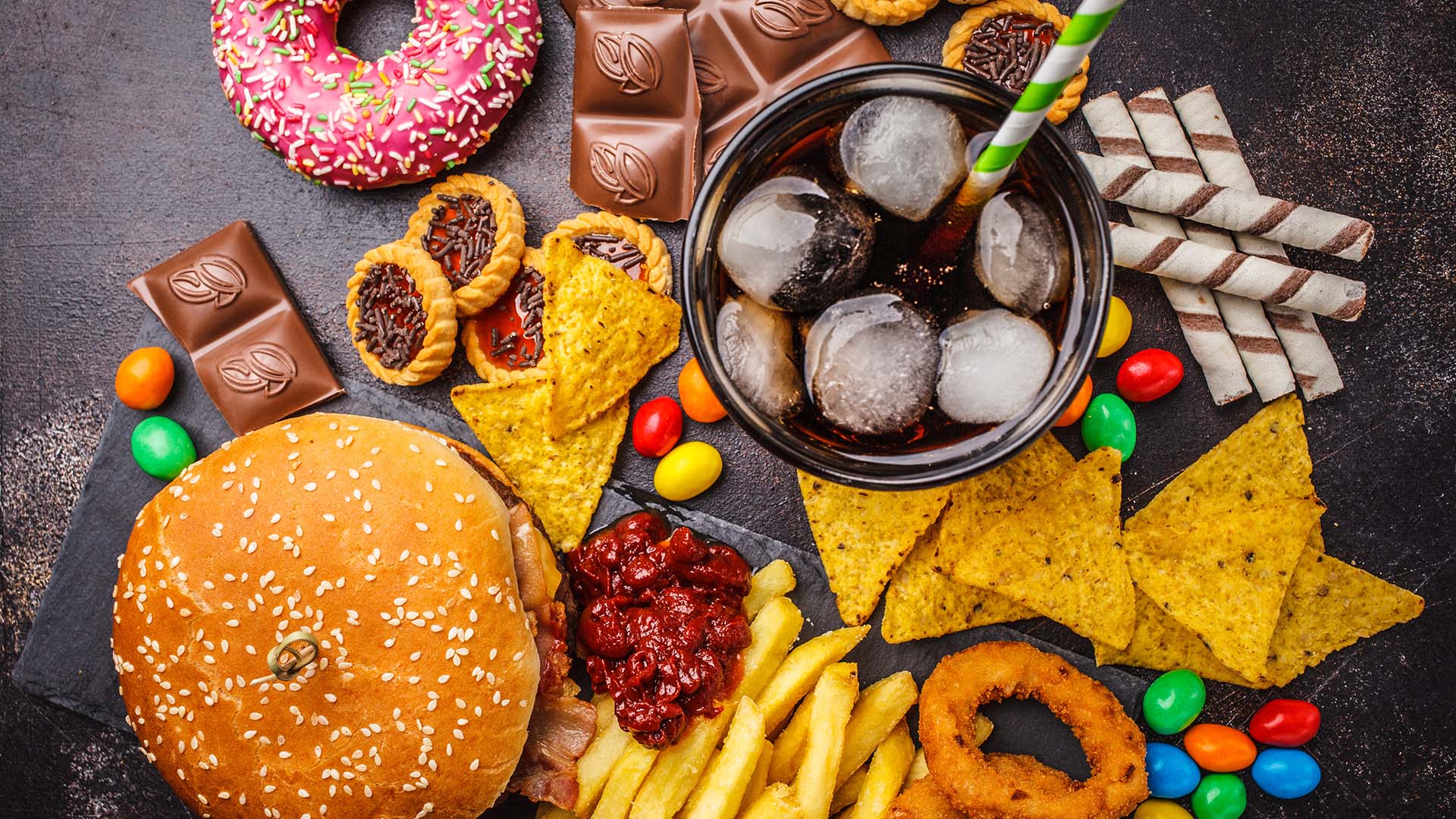
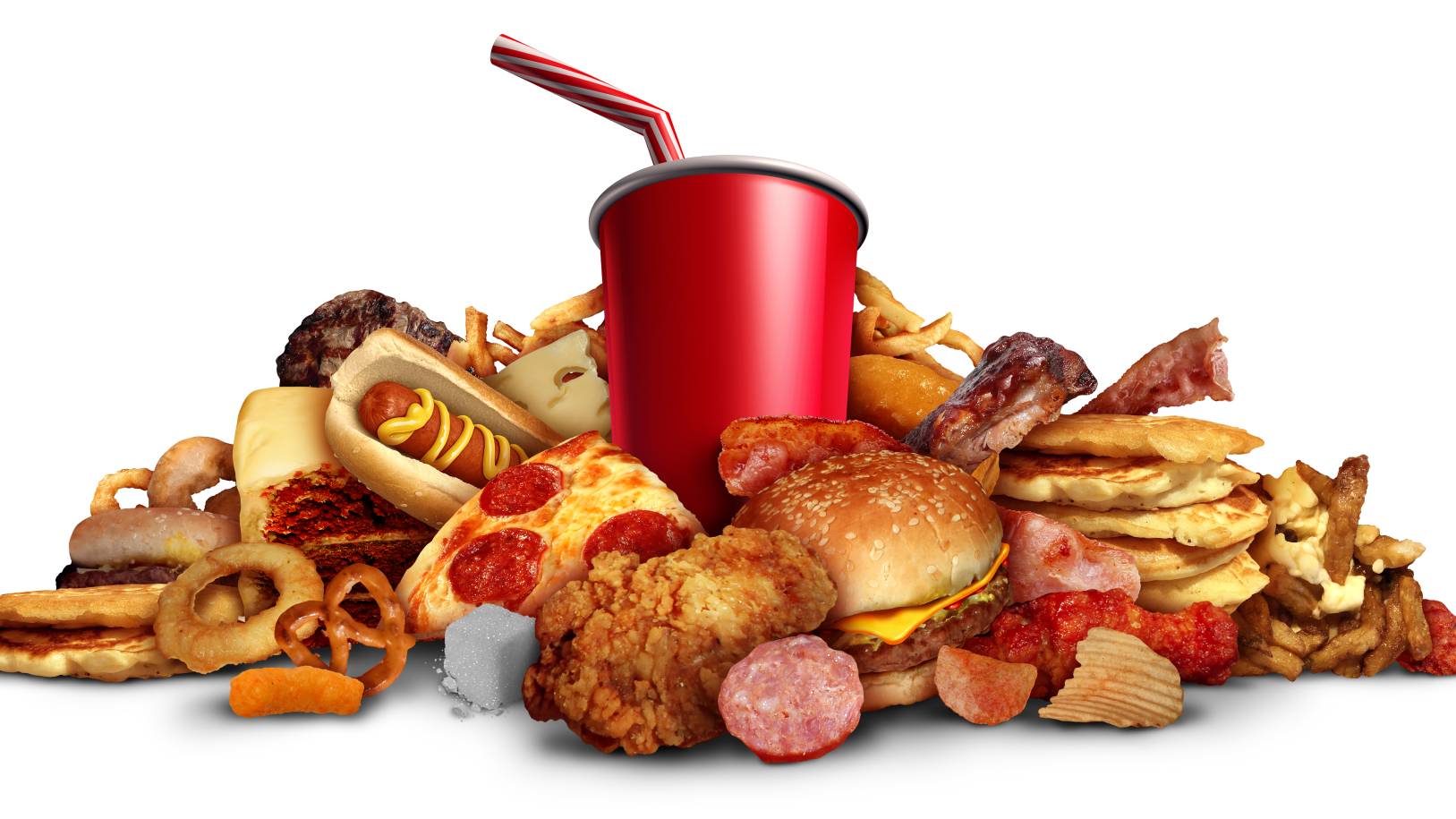
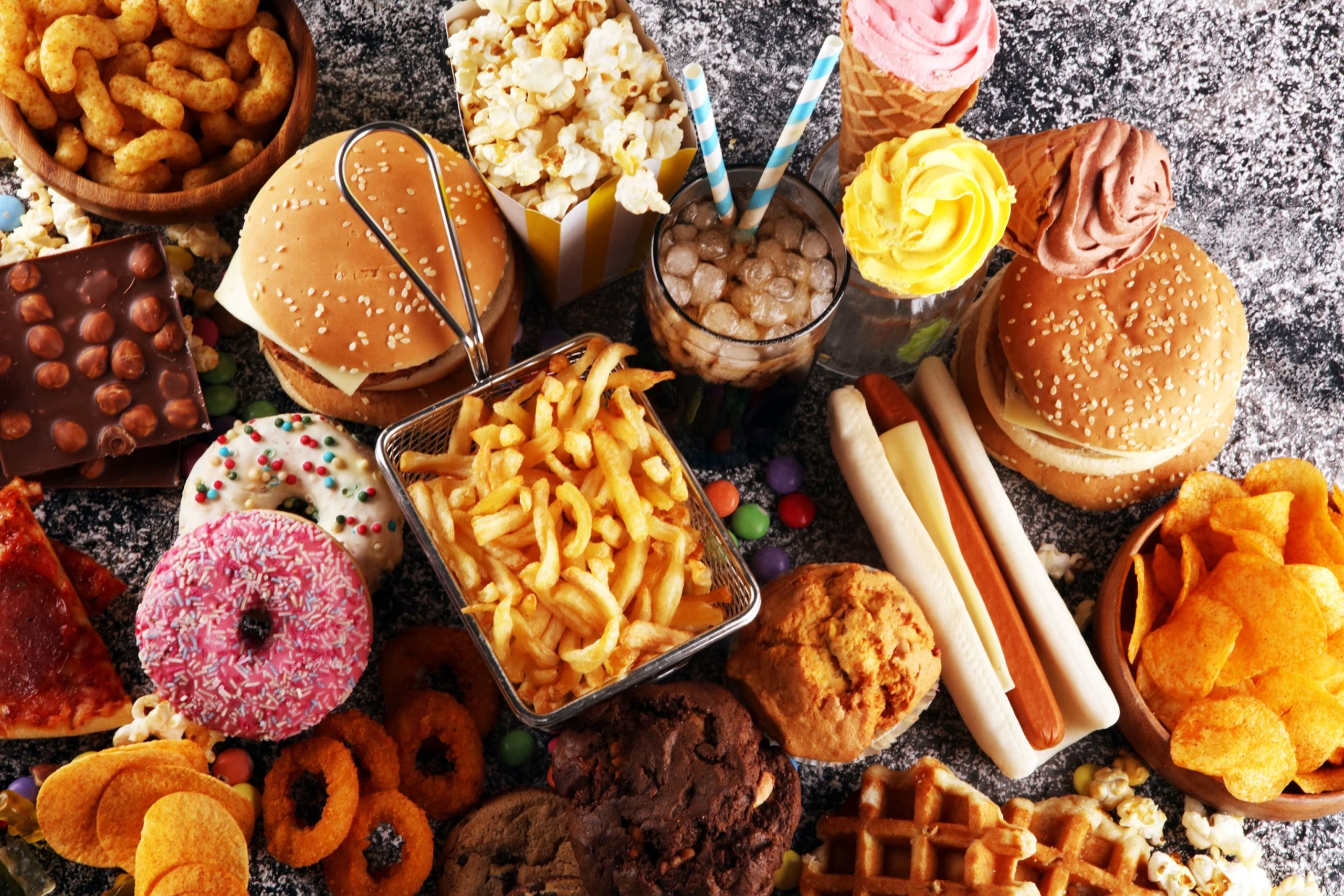
Fast food refers to meals that are quick to prepare and serve. They are often highly processed, high in calories, fats, sugars, and salt, and low in essential nutrients like fiber, vitamins, and minerals.
Common Fast Food Items:
-
Burgers and sandwiches
-
Fried chicken and fish
-
French fries and potato wedges
-
Pizza with extra cheese and processed toppings
-
Sugary soft drinks and milkshakes
-
Packaged snacks and desserts
While fast food can be convenient, eating it frequently can negatively impact your health.
Why Fast Food Is So Popular
-
Convenience: Fast food saves time, especially for busy people or families.
-
Taste: High sugar, salt, and fat content make it extremely appealing.
-
Affordability: Often cheaper than cooking a meal from scratch.
-
Marketing: Ads, deals, and promotions attract people of all ages.
-
Availability: Fast food outlets are widespread in urban areas.
The combination of convenience, taste, and marketing makes fast food a go-to option for many people, even if they know it isn’t the healthiest choice.
Health Risks of Regular Fast Food Consumption
Eating fast food frequently can affect multiple aspects of your health.
1. Weight Gain and Obesity
-
Fast food is often high in calories and low in fiber, leading to overeating.
-
Large portion sizes and high-calorie ingredients make it easy to consume more than your body needs.
-
Obesity increases the risk of heart disease, diabetes, joint problems, and certain cancers.
2. Heart Health Problems
-
High in unhealthy fats (saturated and trans fats), which raise cholesterol levels.
-
Excess sodium (salt) can increase blood pressure.
-
Regular consumption is linked to cardiovascular diseases over time.
3. Blood Sugar and Diabetes
-
Sugary drinks, sauces, and fried foods spike blood sugar levels.
-
Frequent consumption increases the risk of insulin resistance and type 2 diabetes.
4. Digestive Issues
-
Low fiber content leads to constipation and poor gut health.
-
Additives, preservatives, and fried foods can irritate the digestive system.
5. Mental Health Effects
-
Diets high in fast food are linked to higher risks of depression, anxiety, and poor cognitive function.
-
Nutrient-poor foods affect brain function, focus, and mood.
6. Nutrient Deficiencies
-
Fast food lacks essential vitamins, minerals, and antioxidants.
-
Replacing fresh, nutrient-rich meals with fast food can lead to deficiencies in iron, calcium, vitamin C, and other nutrients.
Children and Fast Food
Children are especially vulnerable to the effects of fast food:
-
Bright packaging, sugary drinks, and fun meals attract children.
-
Regular consumption can lead to early weight gain, poor nutrition, and lifelong unhealthy eating habits.
-
Linked to behavioral issues, poor attention span, and reduced academic performance in some studies.
Tip: Encourage children to eat home-cooked meals with plenty of fruits, vegetables, whole grains, and lean proteins. Treat fast food as an occasional indulgence rather than a regular habit.
How to Make Better Choices When Eating Fast Food
Even if you eat fast food occasionally, there are ways to make healthier choices:
1. Watch Portion Sizes
-
Choose smaller sizes or share a meal with someone.
-
Avoid “super-sized” portions that double or triple calories.
2. Pick Grilled Over Fried
-
Choose grilled chicken, fish, or veggie options instead of fried items.
-
Grilling, baking, or steaming reduces unhealthy fat intake.
3. Load Up on Veggies
-
Add salad, vegetables, or fruit as sides instead of fries.
-
Choose sandwiches with extra vegetables for more fiber and nutrients.
4. Be Smart About Drinks
-
Avoid sugary sodas or milkshakes.
-
Choose water, unsweetened tea, or low-fat milk instead.
5. Limit Sauces and Cheese
-
Sauces, dressings, and cheese add extra calories, fat, and sugar.
-
Ask for them on the side or skip them when possible.
6. Balance Your Day
-
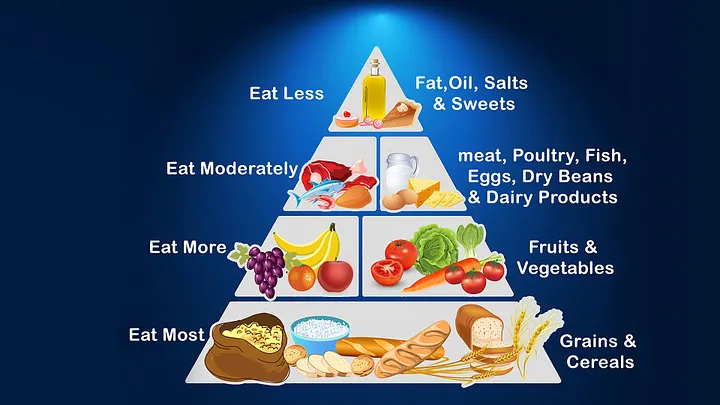
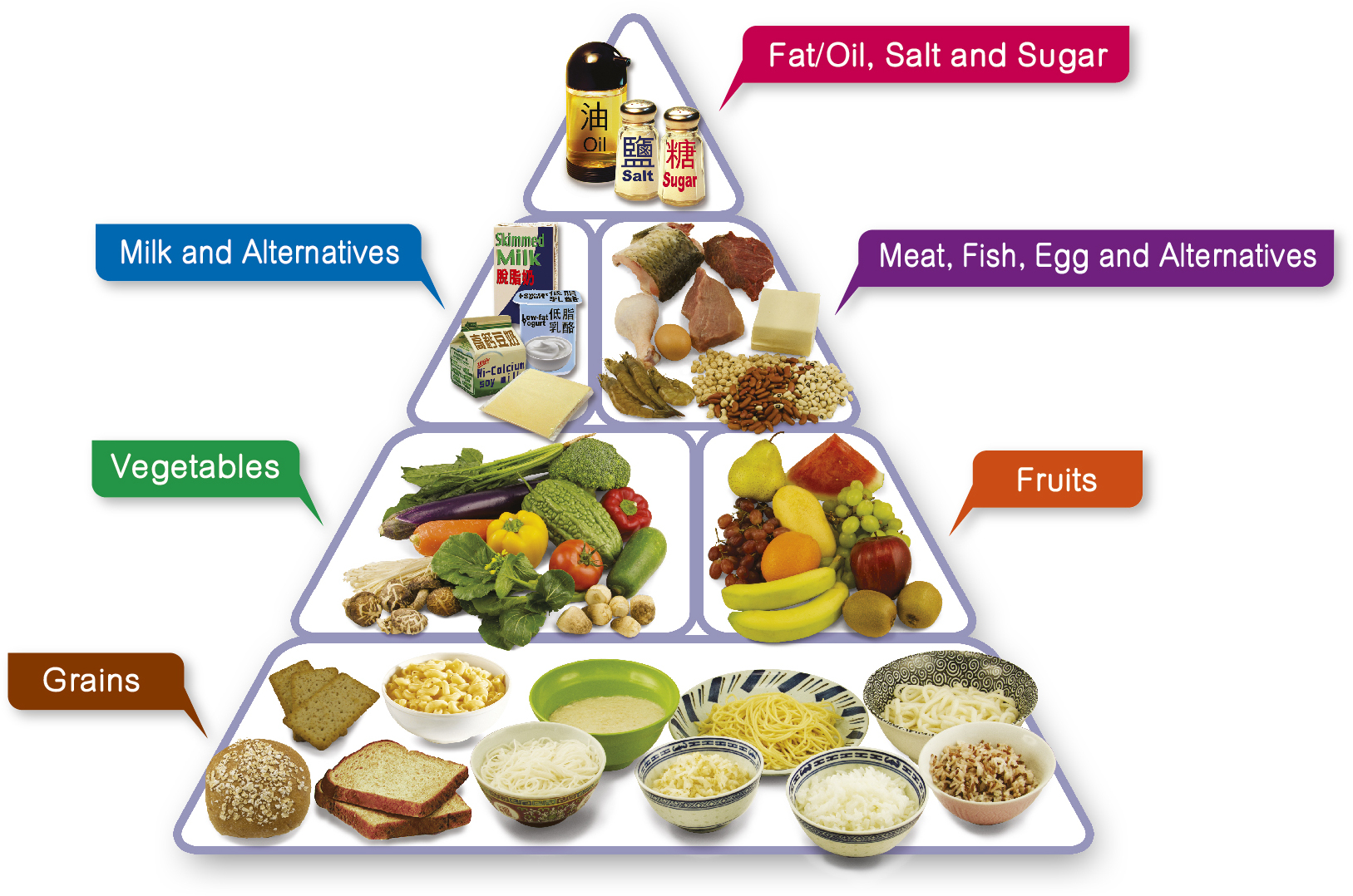
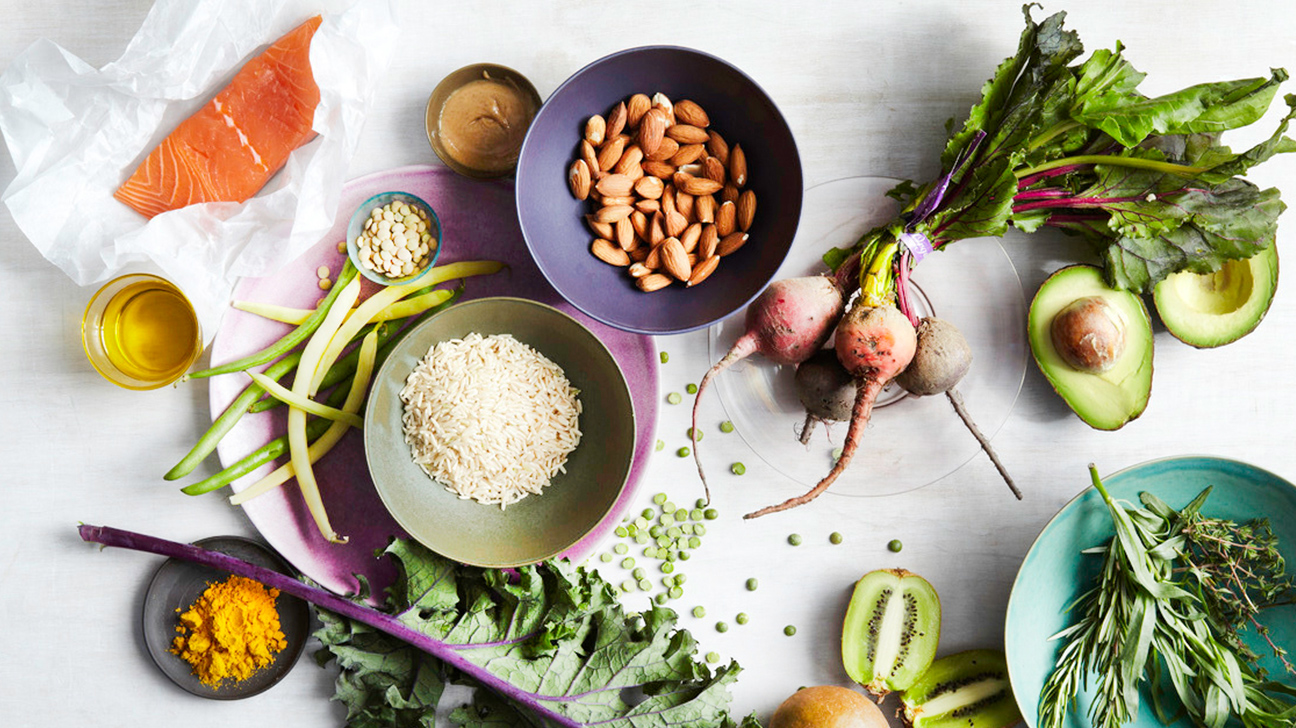
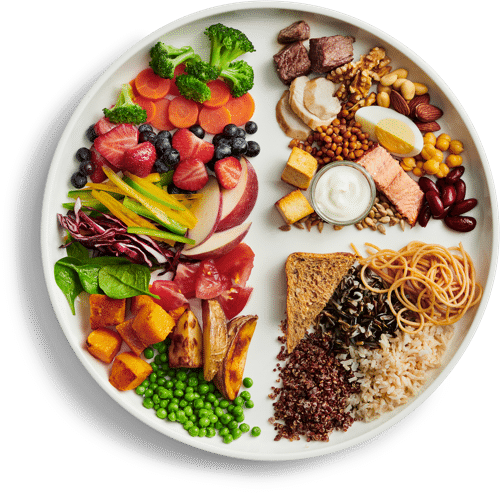
If you eat fast food for one meal, make your other meals that day more nutrient-rich with fruits, vegetables, whole grains, and lean proteins.
Healthier Fast Food Alternatives
You don’t have to give up convenience entirely. Look for healthier options at fast food restaurants or prepare quick meals at home:
| Fast Food Item | Healthier Option |
|---|---|
| French fries | Side salad, baked potato, or roasted veggies |
| Fried chicken | Grilled chicken or baked fish |
| Cheeseburger | Single patty with whole-grain bun, extra veggies |
| Sugary soda | Water, sparkling water, or unsweetened iced tea |
| Pizza with extra cheese | Thin crust, lots of vegetables, light cheese |
Tip: Many restaurants now offer healthier menus, so check nutrition guides before ordering.
Tips for Reducing Fast Food Intake
-
Plan Ahead: Pack lunch or snacks for work, school, or trips.
-
Cook at Home: Preparing meals gives control over ingredients, portion sizes, and cooking methods.
-
Limit Fast Food Frequency: Treat it as a once-in-a-while indulgence rather than a daily habit.
-
Shop Smart: Stock your kitchen with fruits, vegetables, whole grains, and lean proteins.
-
Mindful Eating: Eat slowly, enjoy flavors, and avoid eating in front of screens.
Benefits of Choosing Healthier Options
Making better choices or reducing fast food consumption can lead to:
-
Weight Management: Lower calorie intake and better portion control.
-
Improved Heart Health: Less saturated fat and sodium.
-
Better Blood Sugar Control: Reduced sugar and refined carb intake.
-
Stronger Immune System: More vitamins, minerals, and antioxidants.
-
Better Digestion: More fiber from fruits, vegetables, and whole grains.
-
Enhanced Mood and Energy: Balanced nutrition supports brain function and energy levels.
Summary
Fast food is convenient, tasty, and appealing, but frequent consumption can harm your health in many ways—weight gain, heart problems, diabetes, digestive issues, mental health concerns, and nutrient deficiencies. Children are particularly vulnerable.
By making better choices—watching portions, picking grilled or baked options, adding vegetables, choosing water over sugary drinks, and limiting sauces—you can enjoy fast food occasionally without serious health risks. Planning meals, cooking at home, and using healthier alternatives are key strategies to maintain a balanced diet while still enjoying convenience.
Fast food doesn’t have to be completely off-limits, but understanding its effects and making smarter choices will help you stay healthy and feel your best.
Read Also: Keep your face towards the sunshine and shadows will fall behind you
Watch Also: https://www.youtube.com/@TravelsofTheWorld24







Leave a Reply