
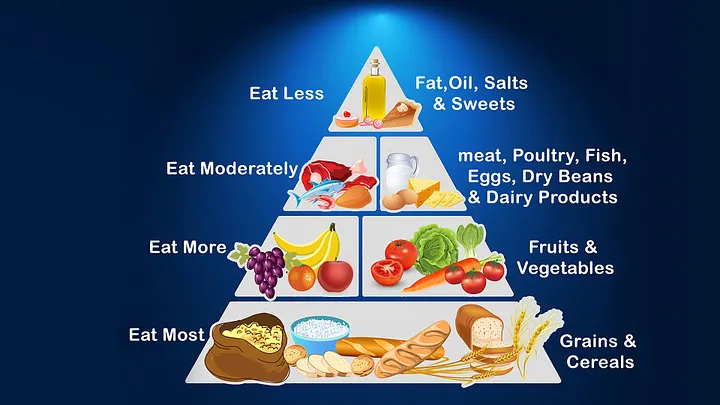
Most of us have probably seen the food pyramid at some point in our lives. It was often used as a visual guide to help people understand how much of each type of food they should eat every day to maintain a healthy lifestyle.
The food pyramid provides a simple way to think about nutrition and balance in your diet. While the details and recommendations have evolved over time, it still offers a good framework for making healthier choices.
What Is the Food Pyramid?
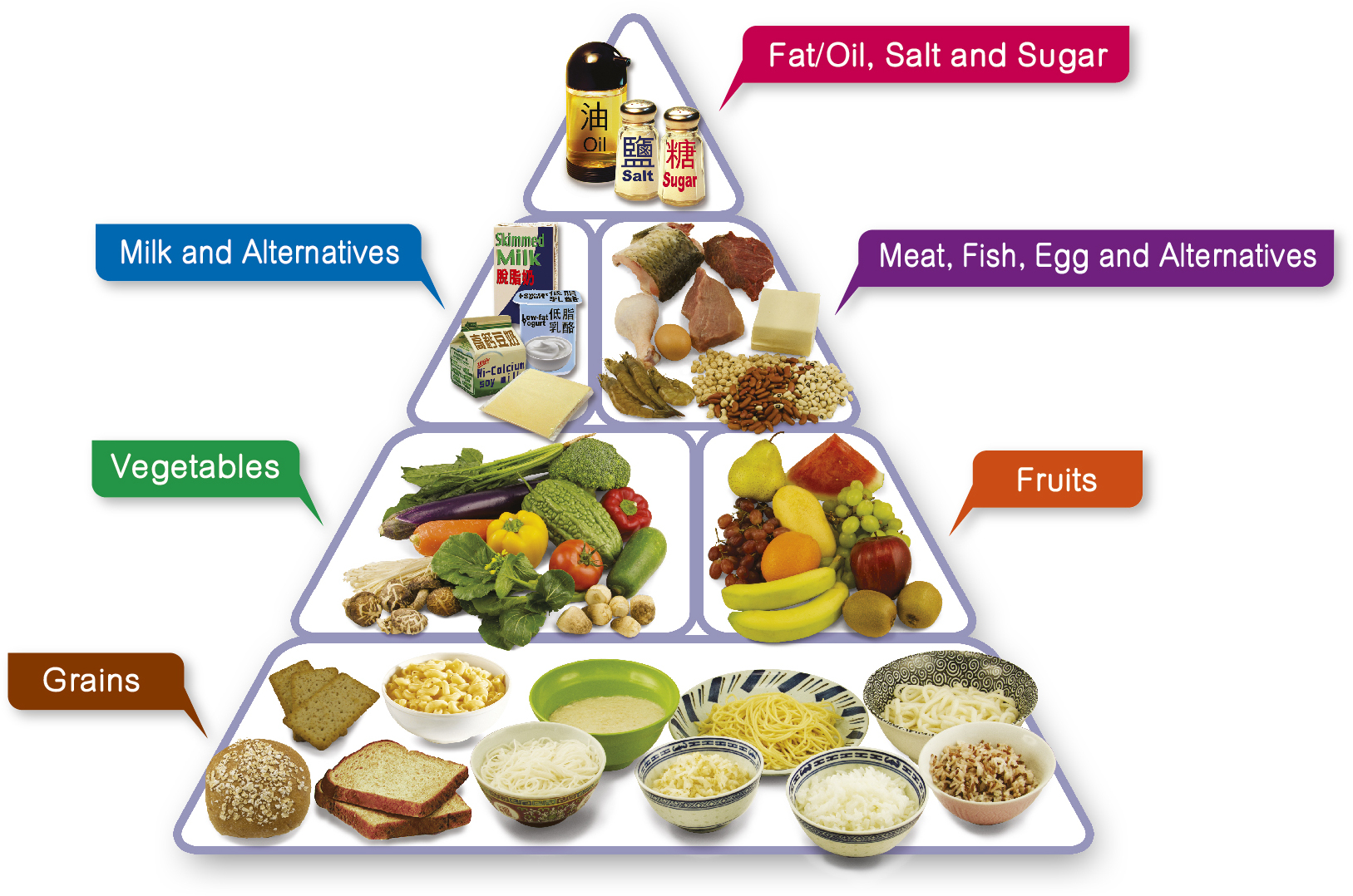
The food pyramid is a diagram that shows different food groups arranged in layers. The base of the pyramid contains the foods you should eat the most, while the top contains foods that should be eaten sparingly.
Typical Food Pyramid Structure:
-
Base: Grains (bread, rice, pasta) – meant to be eaten in the largest amounts.
-
Second Layer: Fruits and vegetables – to be eaten plentifully.
-
Third Layer: Proteins (meat, fish, eggs, dairy, legumes) – moderate amounts recommended.
-
Top Layer: Fats, oils, and sweets – to be consumed sparingly.
This visual makes it easier to remember which foods should be the main part of your meals and which should be limited.
Why the Food Pyramid Is Helpful
Even though nutrition advice has changed over the years, the food pyramid still provides several benefits:
-
Simple Guidance – It gives a quick visual reference for a balanced diet.
-
Portion Awareness – Helps people understand how much of each food group to eat.
-
Flexibility – You can adjust it to suit your personal needs, lifestyle, and culture.
-
Foundation for Healthy Eating – Encourages variety, moderation, and balance.
By observing the pyramid, you get a general idea of what is considered a healthy diet, even if you adapt it slightly to your own preferences or requirements.
How the Food Pyramid Has Changed
Over the years, nutrition research has grown, and some recommendations from the traditional food pyramid have been updated:
-
Grains: The original pyramid suggested a high intake of grains, often including refined grains. Modern advice favors whole grains over refined ones for more fiber and nutrients.
-
Fats: Earlier models minimized all fats, but today we know healthy fats from nuts, seeds, avocado, and olive oil are essential.
-
Proteins: Modern guidelines suggest balancing plant-based and animal-based proteins.
-
Sugar and Processed Foods: There is more emphasis now on limiting added sugars and ultra-processed foods.
The pyramid is flexible, and you can personalize it to include more fruits, vegetables, or plant proteins according to your health goals.
Creating Your Own Food Pyramid
One of the advantages of the pyramid is that it can be adapted to fit your needs. You don’t have to follow it exactly as it was originally designed.
Steps to Create Your Personal Food Pyramid:
-
Identify Your Base Foods:
-
These are the foods you will eat most frequently. Typically, whole grains like oats, brown rice, quinoa, and whole wheat bread.
-
-
Add Plenty of Fruits and Vegetables:
-
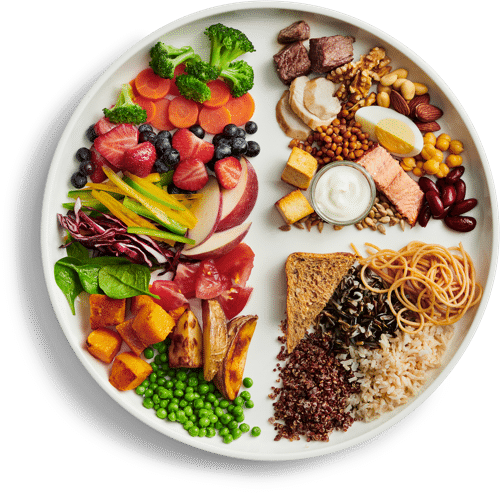
Fill at least half of your plate with vegetables and fruits at every meal. Include a variety of colors for different nutrients.
-
-
Include Protein Sources in Moderation:
-
Mix plant proteins (beans, lentils, tofu, nuts) with lean animal proteins (chicken, fish, eggs).
-
-
Include Dairy or Alternatives:
-
Milk, yogurt, and cheese or fortified plant-based alternatives provide calcium and other nutrients.
-
-
Limit Fats, Oils, Salt, and Sugar:
-
Use healthy oils in moderation, reduce salt, and avoid sugary drinks and snacks.
-
This flexible approach allows you to build a healthy eating plan tailored to your body, lifestyle, and personal preferences.
Benefits of Following a Food Pyramid Approach
Following a food pyramid, even in a flexible way, can offer many benefits:
-
Balanced Nutrition: Ensures you get carbohydrates, protein, fat, vitamins, and minerals in proper amounts.
-
Supports Healthy Weight: Helps prevent overeating by showing proportions of each food group.
-
Improves Heart Health: Emphasizes fruits, vegetables, whole grains, and healthy fats.
-
Boosts Digestion: High fiber intake from whole grains, fruits, and vegetables promotes healthy digestion.
-
Reduces Chronic Disease Risk: Balanced diets lower the risk of diabetes, heart disease, and obesity.
Tips for Using the Food Pyramid Effectively
-
Focus on Whole Foods:
-
Choose minimally processed foods to get more nutrients and fiber.
-
-
Be Flexible:
-
Adjust portion sizes based on your age, activity level, and health goals.
-
-
Cook at Home:
-
Cooking your own meals allows you to control salt, fat, and sugar.
-
-
Limit Ultra-Processed Foods:
-
Reduce packaged snacks, sugary drinks, and fast foods.
-
-
Mix Colors and Textures:
-
Eating a variety of fruits and vegetables ensures a wider range of nutrients.
-
-
Use Moderation:
-
Treat fats, oils, and sweets as occasional items, not daily staples.
-
Common Misconceptions About the Food Pyramid
-
“Grains Are Always the Most Important” – Modern nutrition advice suggests prioritizing whole grains but not to overconsume them at the expense of vegetables and protein.
-
“All Fats Are Bad” – Healthy fats are essential for brain and heart health; only saturated and trans fats should be limited.
-
“Strict Rules Are Needed” – The pyramid is a guideline, not a strict diet. Flexibility is key for long-term adherence.
Sample Flexible Food Pyramid for a Day
Base:
-
2–3 servings of whole grains (brown rice, oats, whole wheat bread)
Fruits and Vegetables:
-
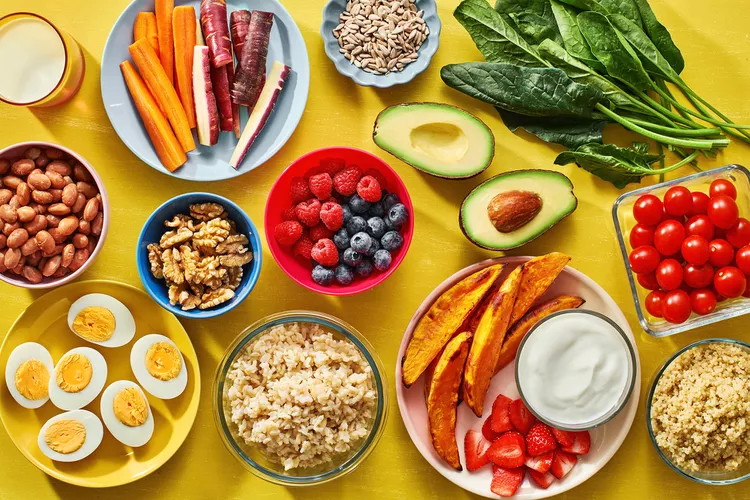
5–7 servings spread across meals (spinach, carrots, apples, berries, bell peppers)
Proteins:
-
Moderate amounts of lean meats, fish, eggs, and legumes
Dairy or Alternatives:
-
2–3 servings (milk, yogurt, cheese, or fortified plant-based alternatives)
Fats, Oils, Sugar:
-
Small amounts of healthy oils and occasional treats
Tip: Adjust quantities based on activity level and age. Children, adults, and older adults have different needs.
Why the Pyramid Approach Still Matters
Even with evolving nutrition science, the pyramid remains a simple and effective tool for healthy eating. It:
-
Encourages variety across food groups
-
Helps with portion control
-
Promotes balanced nutrition without strict dieting
-
Provides a visual reminder of how to structure meals
By using the pyramid as a guide and making minor adjustments, you can create a healthy, sustainable eating plan for yourself and your family.
Summary
The food pyramid is more than just a childhood visual; it’s a flexible tool to guide healthy eating. While modern research may tweak recommendations, the core message remains:
-
Eat plenty of whole grains, fruits, and vegetables.
-
Consume moderate amounts of protein and dairy.
-
Limit fats, oils, sugar, and salt.
Creating your own personalized food pyramid can help you stay healthy, maintain a balanced diet, and prevent chronic diseases. Flexibility, variety, and mindful choices are key to making the pyramid work in your daily life.
By observing the pyramid and adapting it to your lifestyle, you can enjoy a nutritious diet that supports long-term health.
Read Also: Keep your face towards the sunshine and shadows will fall behind you
Watch Also: https://www.youtube.com/@TravelsofTheWorld24











Leave a Reply